Tag Archives: Life in the Yucatan

Vivero Fun

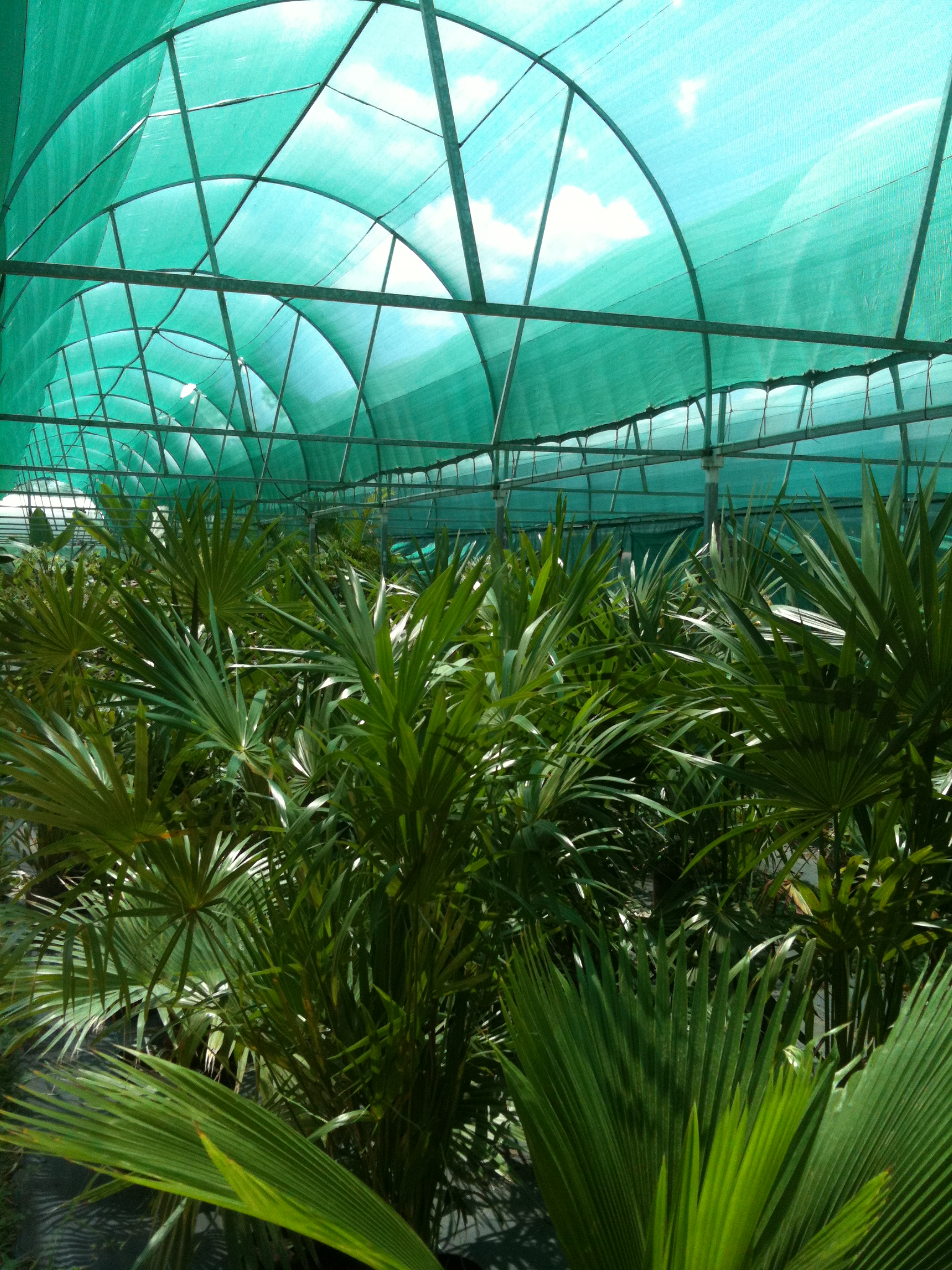
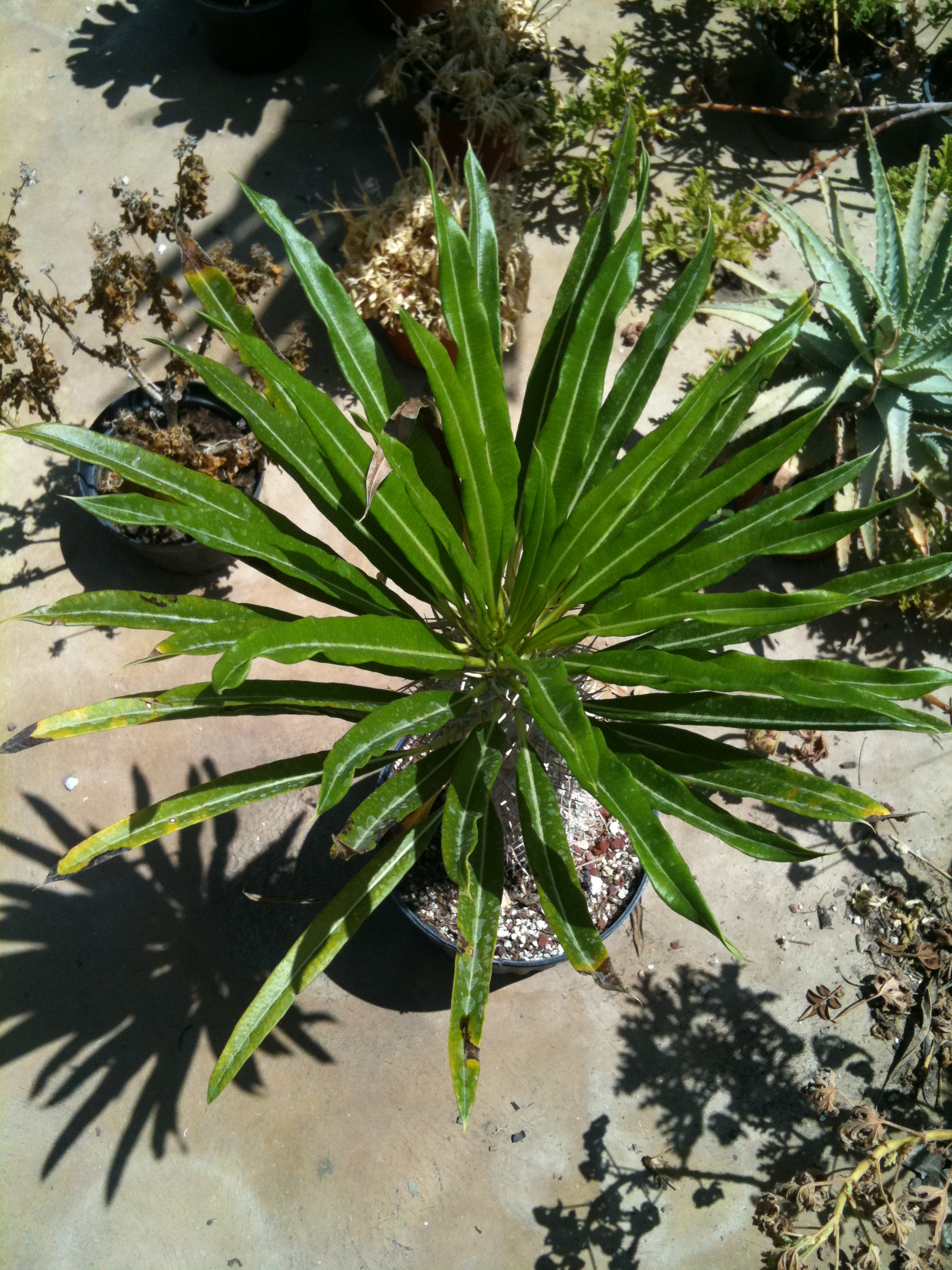
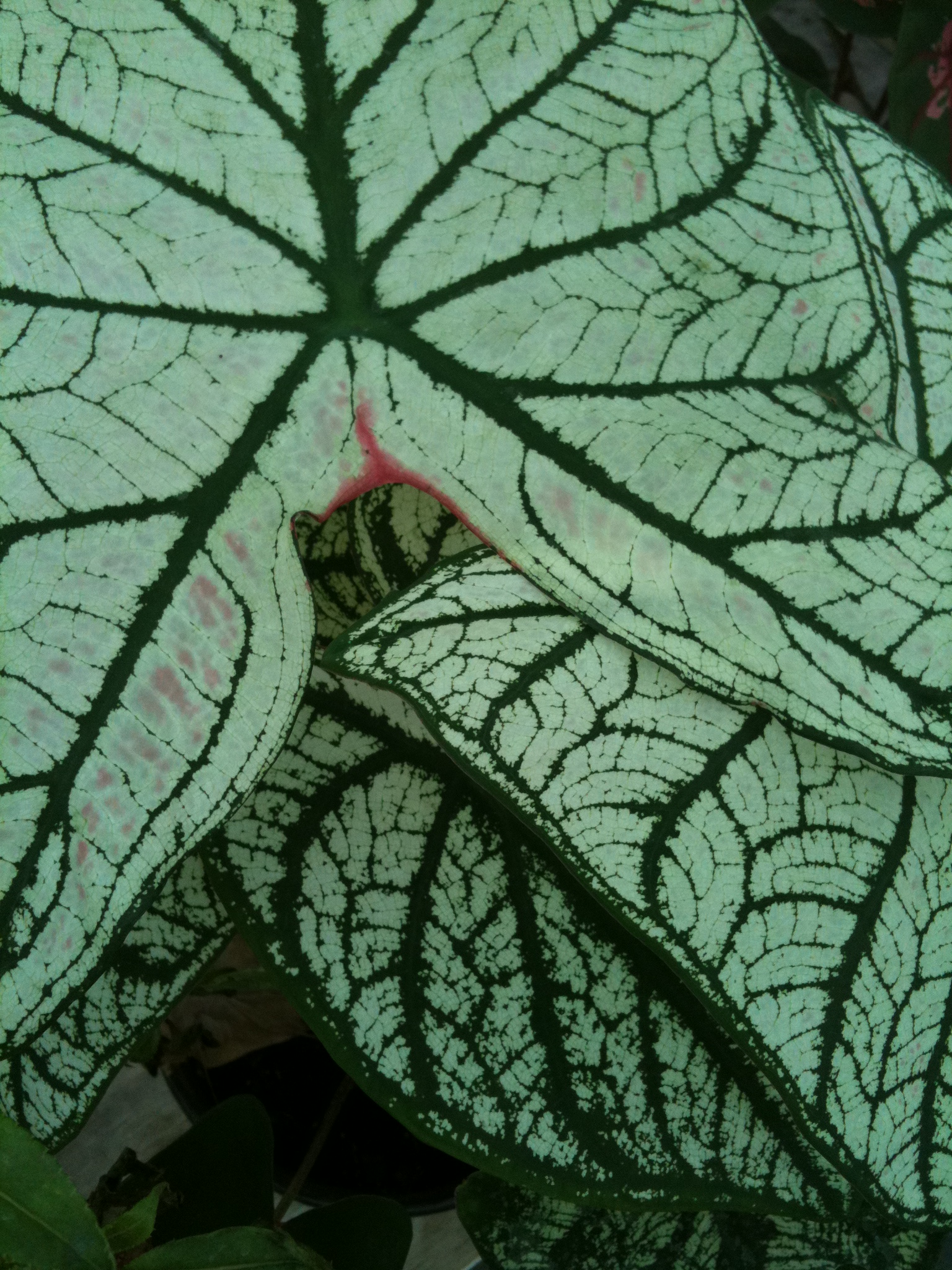
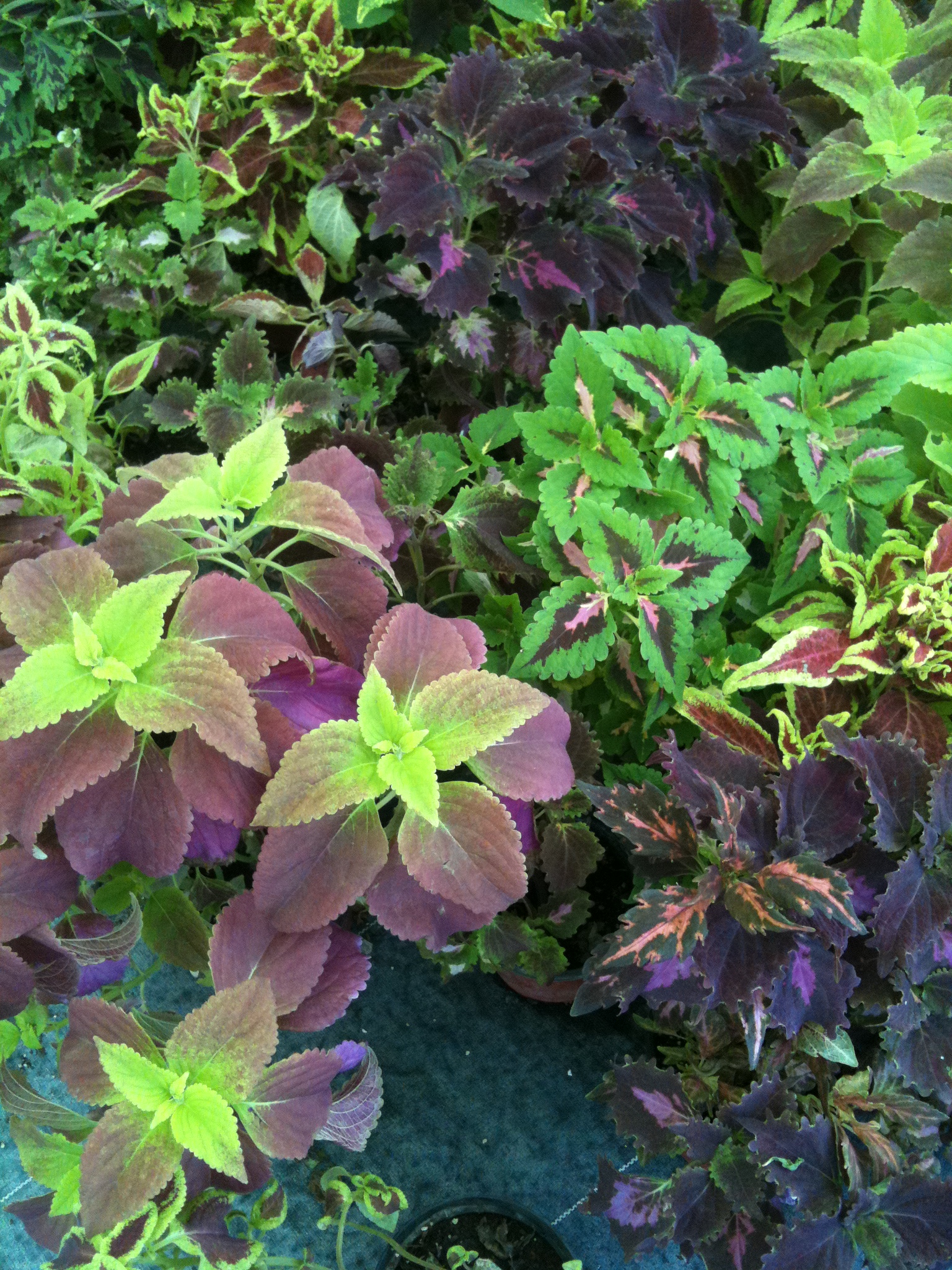
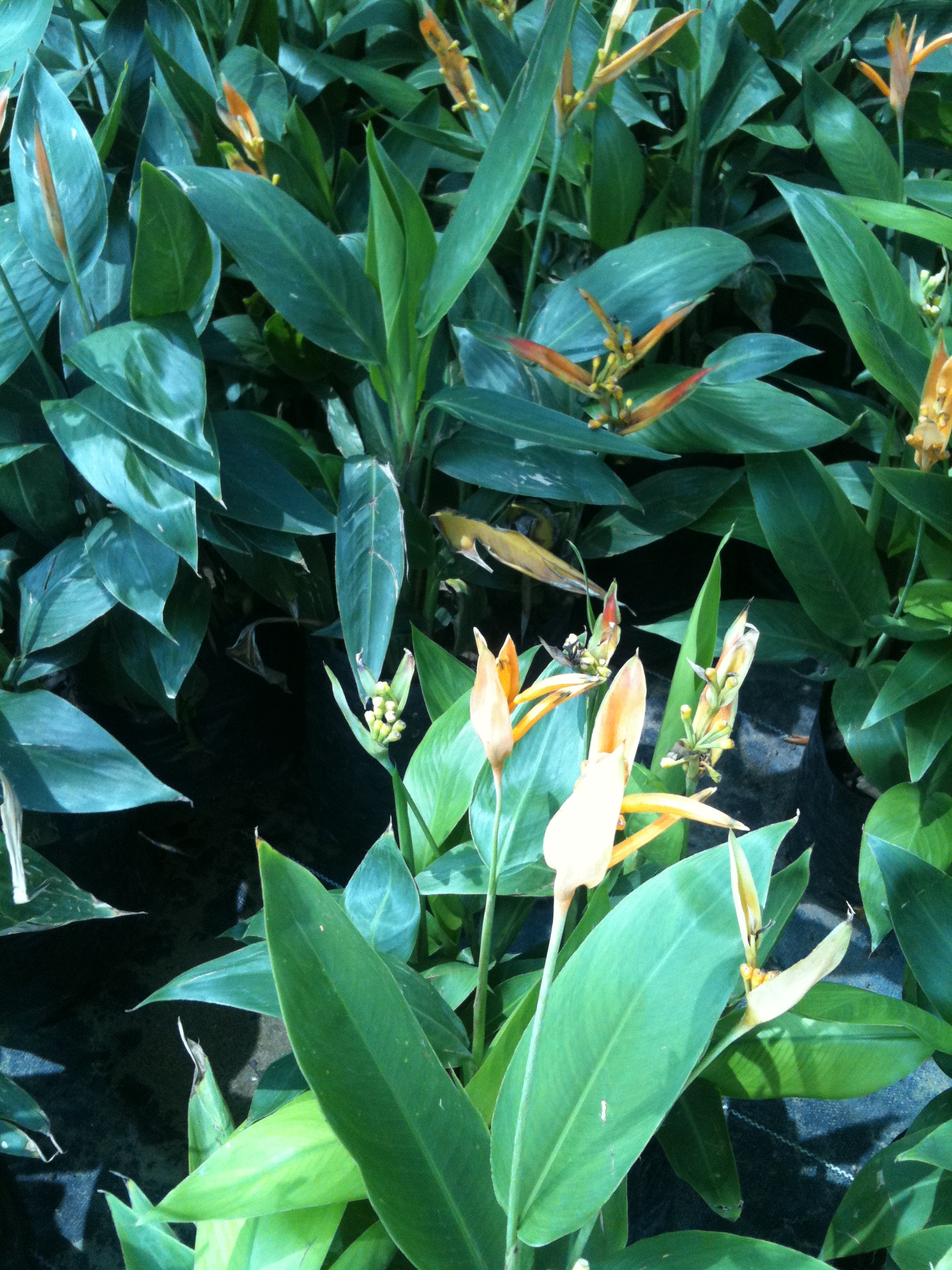
One activity I enjoy here in the Yucatan is a visit to the local nursery; not the ones with the screaming babies but the ones with the plants, flowers and trees. I have always thought that it would be fantastic to have a nursery on each block (or every two blocks, like an OXXO) to provide a shady, oxygen producing oasis for the surrounding concrete misery that makes up so much of Merida’s new fraccionamientos.

These photos were taken this morning at the Verde Vivo nursery, albeit with a phone camera so they are not that great, but you can still get an idea of all the color and exotic greenery that is available out there.

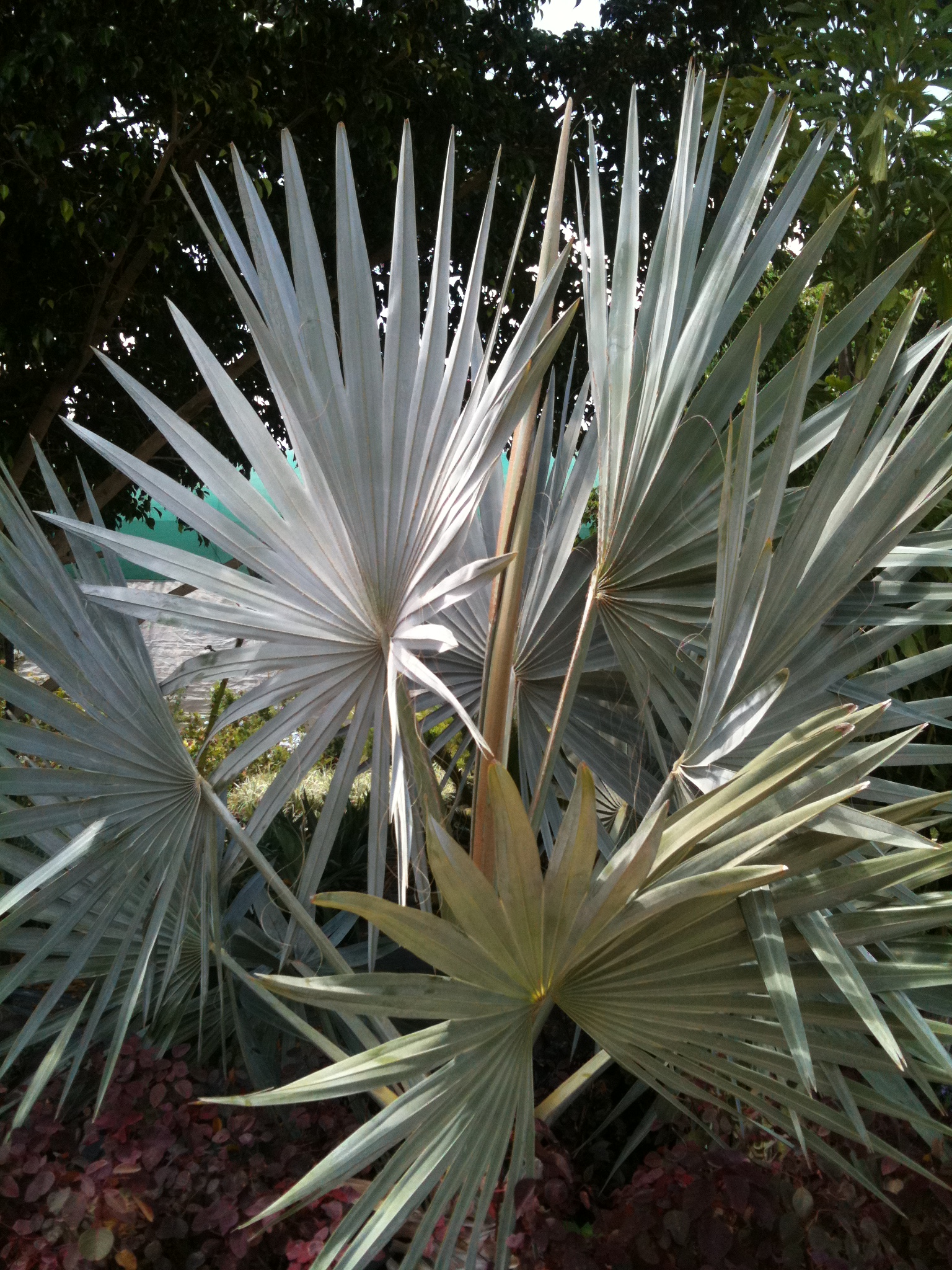
While we are on the subject of Vegetation…

I have this palm variety in my backyard, a shorter plant, that at this time of the year produces fruit in the form of berries. Each morning I wake up and see them lit up in the morning light just outside my window. I think the photo below (the one that is bright orange) captures the beauty of these little guys quite nicely; if anyone knows what the plant is, let me know!

El Chaka – A Yucatecan Tree with Papery Bark

The Chaka (chah-KAH) tree is found everywhere in the Yucatan and can be identified by its papery, red colored bark which seems to be suffering from some sort of skin disease as it is constantly shedding. Many locals consider it an ‘acceptable’ tree to leave on ones property when clearing in preparation for building a new home. While the other endemic varieties such as chukun, catzin and even the honey-producing dzidilche are considered ‘undesirable’ because they either have thorns (like you are going to be climbing these trees every afternoon) or produce garbage (in the form of leaves, the horror), the chaka is left because it has neither thorns nor a huge amount of leaves and many think it is attractive (which it is). So, when coming upon a cleared lot you will often find that the chakas have been left standing as solitary reminders that some native trees are more desirable than others and testament to the owners – or in many cases the architects – somewhat tepid desire to preserve at least some of the local vegetation.

Unfortunately, the chaka is a soft wood whose root structure seems to be largely superficial and in my time here in the Yucatan, which has included observing the passage of more than one major hurricane, I have noticed that the chakas, when left surrounded by their more hardy, deep-root, neighboring trees, survive strong winds much more handily than when left alone to fend for themselves. Standing alone, they easily succumb to a strong gust of wind which snaps their branches and if the gale strong enough, uproots them entirely.

You can read up on the chaka here (en español) but in a nutshell it says that the tree is indigenous to the area, and its leaves are used for medicinal purposes (curative baths for fevers, according to this site), its wood for carving (although most wood carvers will use other, harder wood varieties) and as an ornamental tree in parks and gardens.

I have several in the backyard and here are some photos of their trunks and bark, which I find quite interesting.

Jennifer Lopez Visits Chichen Itza

J-Lo at Chichen Itza

So, if you have read the local papers, you know that J-Lo was in Chichen Itza filming a video. It’s unclear whether the video is to help promote the site, as Chichen Itza needs promoting – no one has heard of it I’m sure – or is a music video for J-Lo herself.

In any case, and according to the Diario de Yucatan article, she did her thing there which included staying overnight in the Pavarotti suite at the Mayaland hotel, which runs $1100 plus tax (dollars, per night) which I am sure she didn’t really have to pay for seeing as we love to host celebrities here in the Yucatan. The article also points out that 30 people from nearby Piste were hired to carry stuff and were paid the daily minimum wage which is currently set at a generous 5 dollars a day.

Now you are up to speed on the latest celebrity sightings in the Yucatan. Didn’t this make your day more complete?

I thought so.

Customer Service – iStore vs Starbucks

This morning found me in Altabrisa, doing some banking at a Canadian bank that has found a nice market with their credit cards because in Mexico they can charge whatever the hell they want (see previous post) and no one complains, like maybe they would back in Canada.

Again, I digress.

I stopped by the iStore or mini-Apple store or whatever Mixup calls their Mac store these days to ask about an Apogee device that would allow me to connect my electric guitar to my iPad and thereby enable me to jam out in GarageBand which I am currently infatuated with.

So I ask the lady cleaning some packaging and without looking up or expressing any interest whatsoever, she simply tells me that they don’t handle those kind of products (there is a $300 dollar microphone for iPads on the shelf behind her) and that I should go to Radio Shack or Steren. Um, no?

I was so disgusted with her complete lack of interest that I vowed never to buy anything at their stupid, pretentious wannabe store.

A little while later, I was in Starbucks getting an espresso from a very nice young man and after paying and walking the length of the mall, I heard him come running up behind me – I had left my debit card there.

I was just struck by the difference in service in a space of 30 minutes of mall time.

Merida Slow Food – Some Photos from this Morning

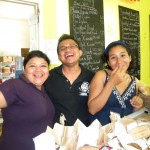
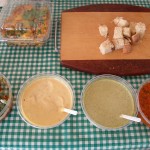
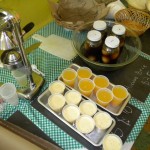
I have already written about the Slow Food market, but I thought I would upload some photos of the food from this mornings visit to the GringoFest that is the Mercado Slow Food in Merida. Lots and lots of familiar faces, from my international artist buddy Katherine to local celebrity Mrs Campos to my new bud Reg. Also some new ones and even the occasional Yucateco (walking around saying “pero que es ESTO?”) among the palefaces. The word needs to get out to the local foodies that this market even exists so they can come and partake of the excellent selection of organic and gourmet items on sale.

Enjoy the photos.

Puuc in Boots – Merida Winter Fashion

I apologize for the cheesy title but it was as creative as I could get for the subject on my mind this morning: Boots.

Now that winter, such as it is, has come to the Yucatan, I have noticed (have you?) the predominance of boots as a footwear option in the fomerly white city. Everywhere you look, the girls and young women are moving from their traditional chanclas for casual wear and obviously foot-torturing stilletto heels to boots. Flat-soled boots, high heel stilletto boots, long boots, short boots, leather, suede and synthetic material boots, boots with tassles, multicolor boots and long black shiny ones that would serve a dominatrix well.

My Better Half, who stopped by Nine West the other day and observed that ‘everyone’ was trying on boots, says it is all about being fashionable in response to my comment that the boots seemed a little over the top considering that it is not particularly wet outside nor is there any snow on the ground that I have seen anyway.

Along with the boots come the sweaters, shawls and even fur (fake or real who can tell) tipped abrigos (coats) that make me sweat just looking at them. Sweat not because they are so sexy, but because they look too darn hot to be worn in Merida, let alone inside the mall.

I do enjoy the look of the boots though, even if it does seem superfluous. A form fitting pair of jeans and calf-high leather boots with heels will cause many to turn for a second glance and I admit I am not immune. My favorite combination seen this frigid winter season, has been a 20-something woman in a tshirt, sweater, knee-high boots and a pair of cutoff jeans. I don’t see this combo warding off cold temperatures any time soon, so I surmise that my Better Half’s observation is correct. It’s all about being in fashion.

I draw the line however, (and these I have seen as well this winter) at earmuffs.

More on One of My Pet Peeves: El Tope

So (I have been listening to interviews on NPR and am surprised by the number of times people answering Terry Gross’ questions start with the word ‘so’) I live in this neighborhood – let’s call it La Ceiba, just for fun – that one could consider ‘upscale’  for Mérida; it’s on a golf course, the lots are large and there are a fair number of BMW’s and Audis driving around which seems to indicate a certain level of socioeconomic prosperity. What I am doing there sometimes baffles me, but we got in at a good time and I anxiously look forward to the day when golf will become appealing to me.

The roads within this fraccionamiento were all repaved with actual asphalt a few years back and the smooth surface seems to be irresistible to the frustrated Fitipaldis and Schumachers that inhabit the luxurious homes, and so, topes were introduced. First at occasionally conflicting intersections, then curves, then any straight stretch lasting for more than 500 meters.

Originally, yellow ‘boyas‘ also known as turtles in some quarters were used. These required a full stop and then gentle acceleration as you eased your vehicle over the obstacle; not doing so would result in severe damage to your cars’ suspension system. Interestingly, I observed that the drivers who would come to full stop were mostly men, while the women and offspring thumped over them with little concern. I attribute this to the fact that the men are paying the costs of their vehicle repairs, while the other drivers are oblivious to the damage they were causing.

After the stop and accelerate process became unbearable – do this eleven times on your way to and eleven times on your way from your home and you will slowly go insane – these nasty bumps were replaced by large concrete ramps that had an incline, a top and a decline, if that is the right word. Imagine a kind of wedge. These new topes are much easier to roll over; a high speed traverse will throw the whole car into an Evel Knievel fit, so they were also more effective at slowing down all drivers.

The tope project however, has meant an ongoing maintenance program in which thousands and thousands of pesos are spent sanding, smoothing and then painting these obstacles a bright yellow. I cannot think that there must be a more effective use of time and money than to spend it on these aberrations!

And yet, we can’t live without them, it seems. It’s a sad reflection of reality: Mexicans want the smooth streets they see on TV or have experienced on trips abroad, and yet, they can’t be bothered to drive responsibly on those same smooth roads, thereby requiring the almost medieval solution of physically placing barriers on those smooth roads to make them horribly bumpy again, thereby defeating the purpose of having a paved road in the first place. Because the undisciplined lot that we are cannot be trusted to obey a speed limit, even with the threat of injuring or killing a neighbors’ pet or child.