Tag Archives: Merida

The Critic Visits Los Huaraches de Doña Mary

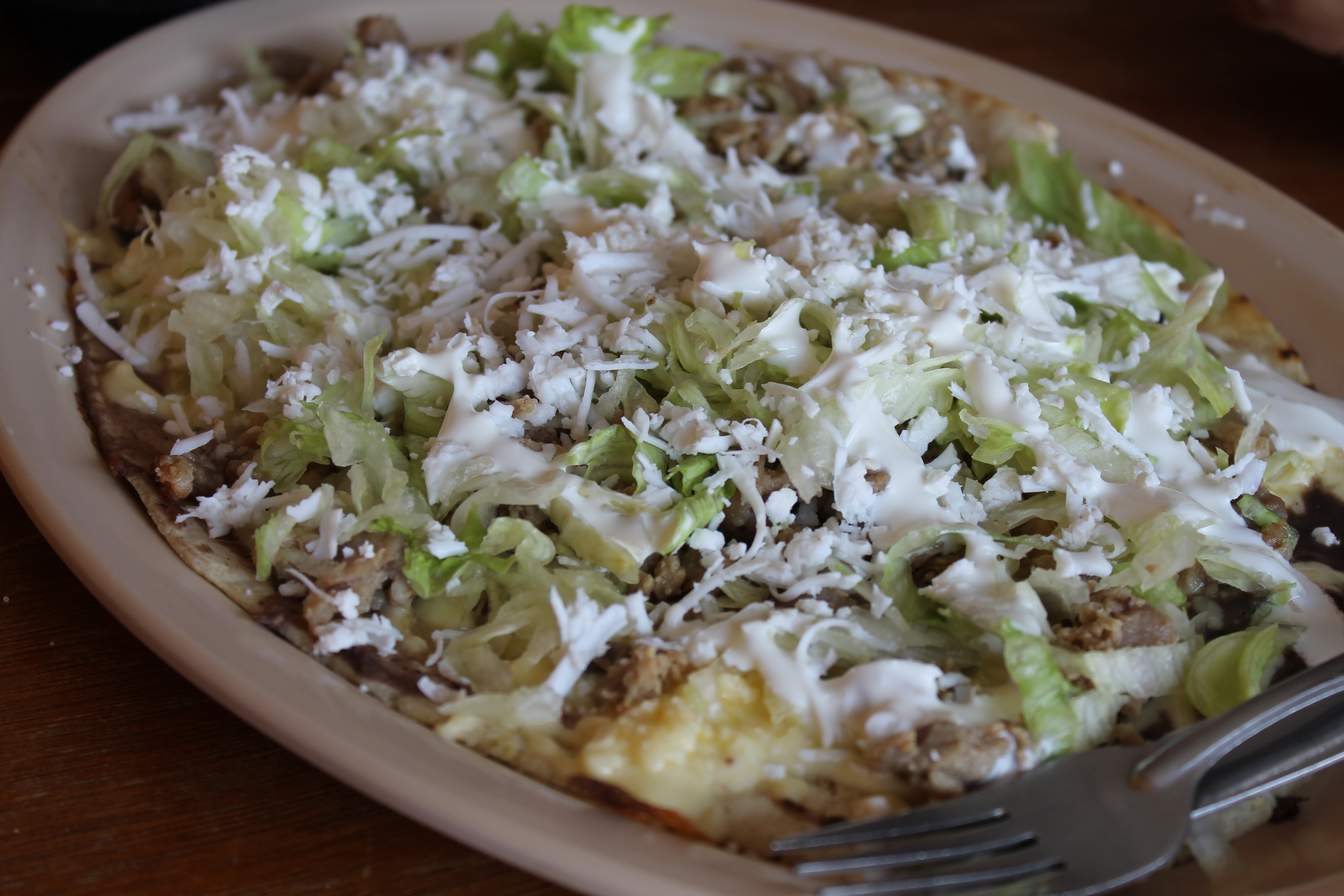
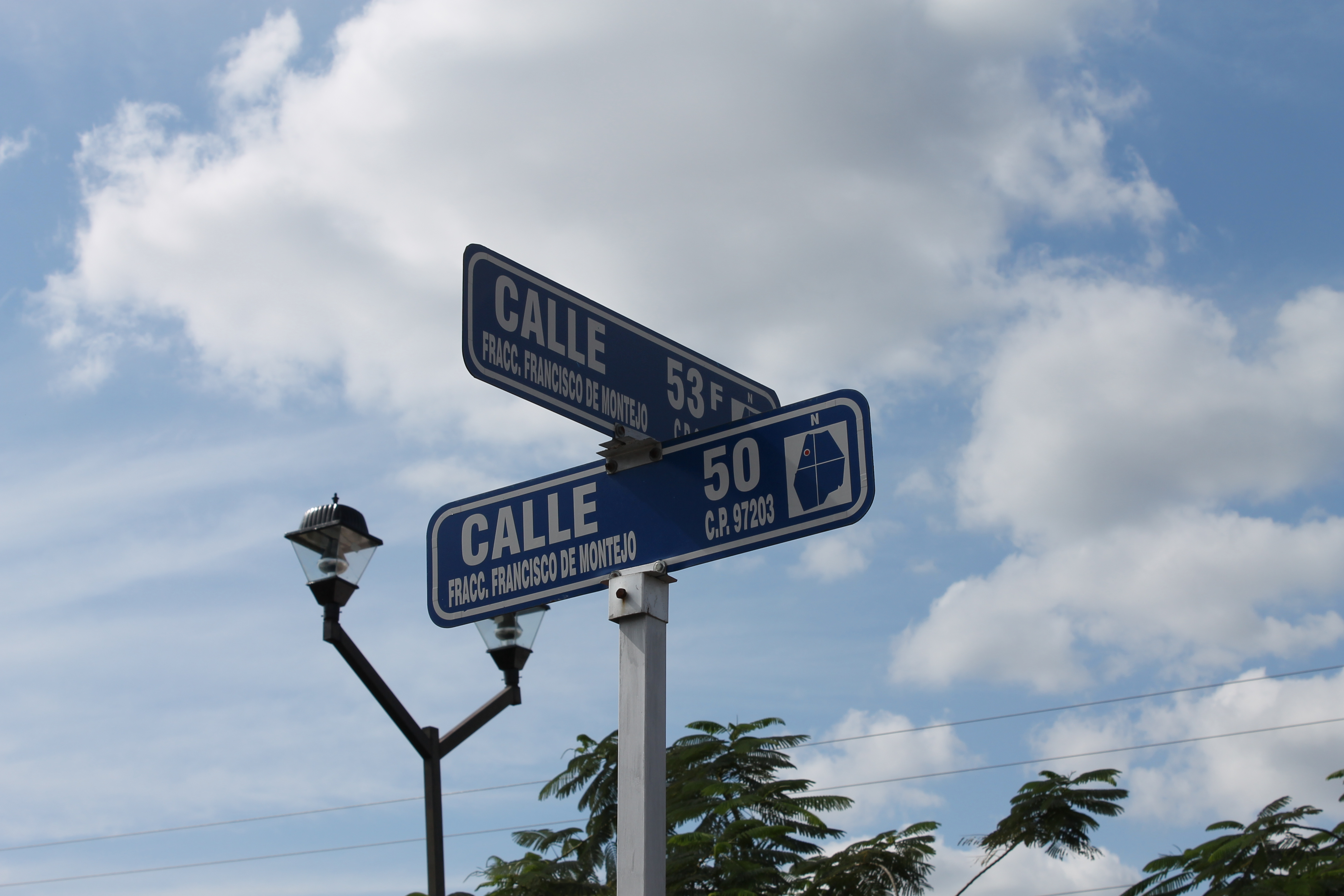
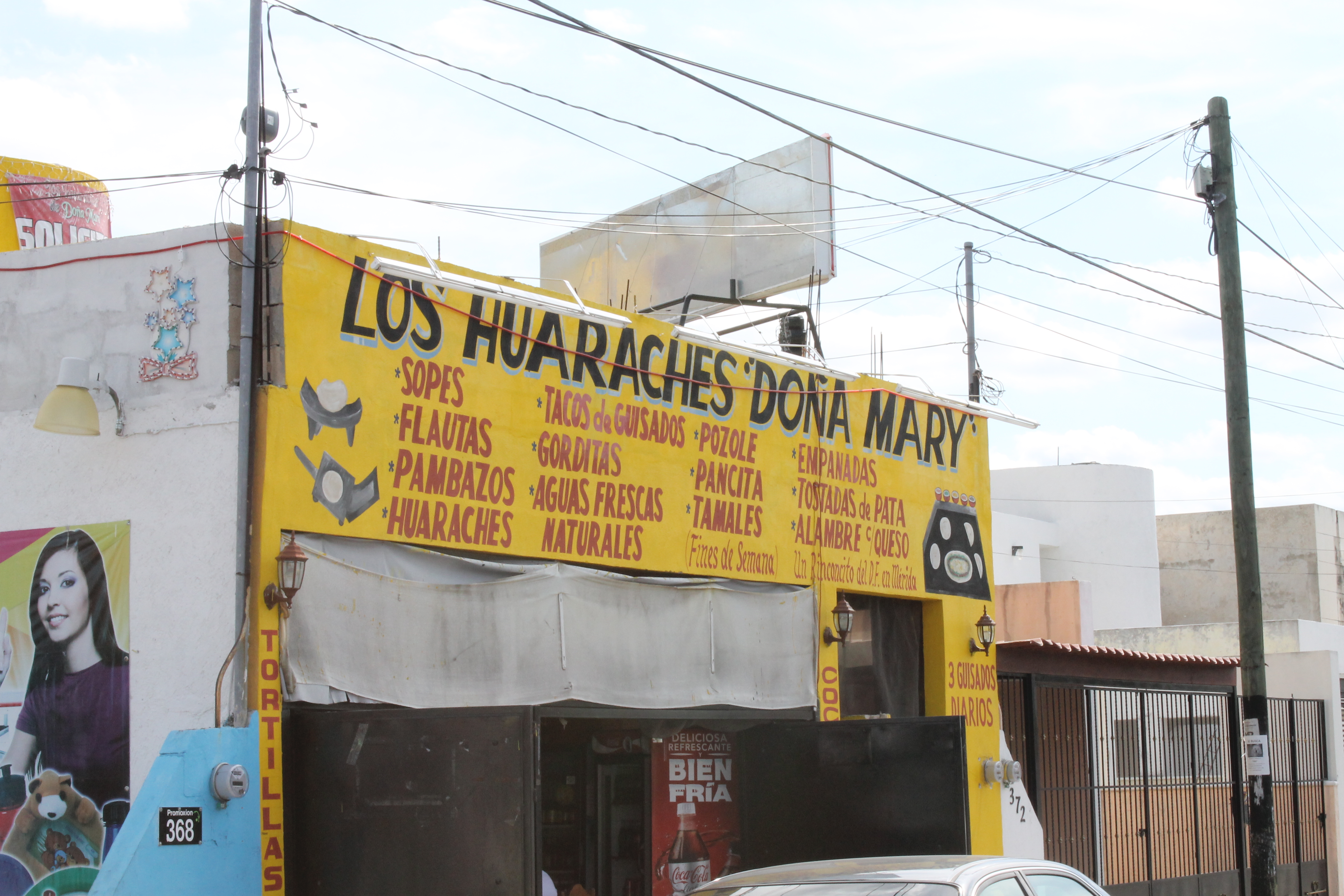
Driving around one weekend morning, looking for someplace to eat, the Critic found himself in Francisco de Montejo, the sprawling mega-thriving housing development filled with families starting up and a lot of families from central Mexico and more specifically, Mexico DF. There, on the main avenue (see photo) was a promising sight: a garage filled with people and chairs and a colorful sign looming overhead in that profoundly Mexican way that would never pass muster in most North American cities (except of course parts of east L.A.) that said Los Huaraches de Doña Mary.

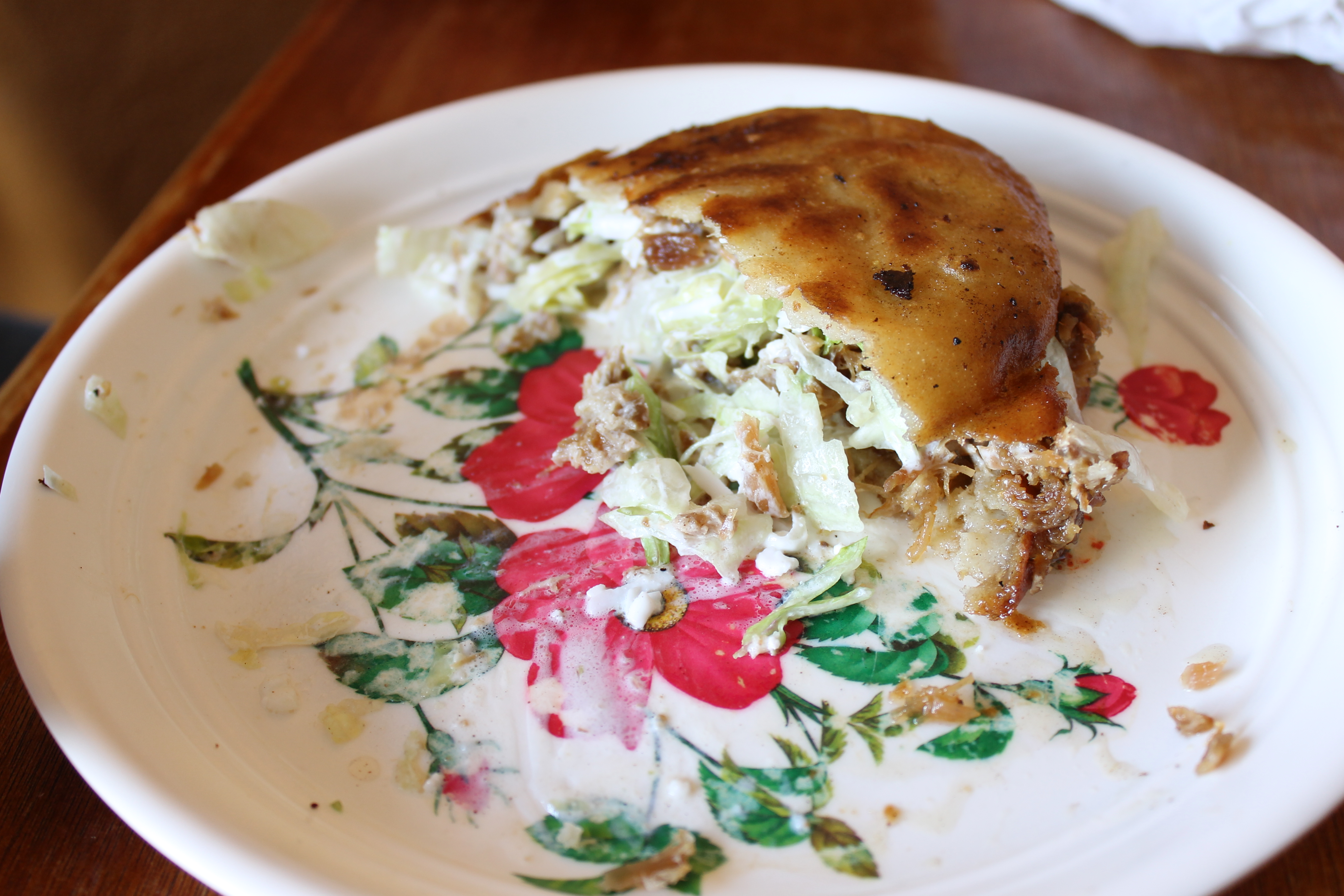
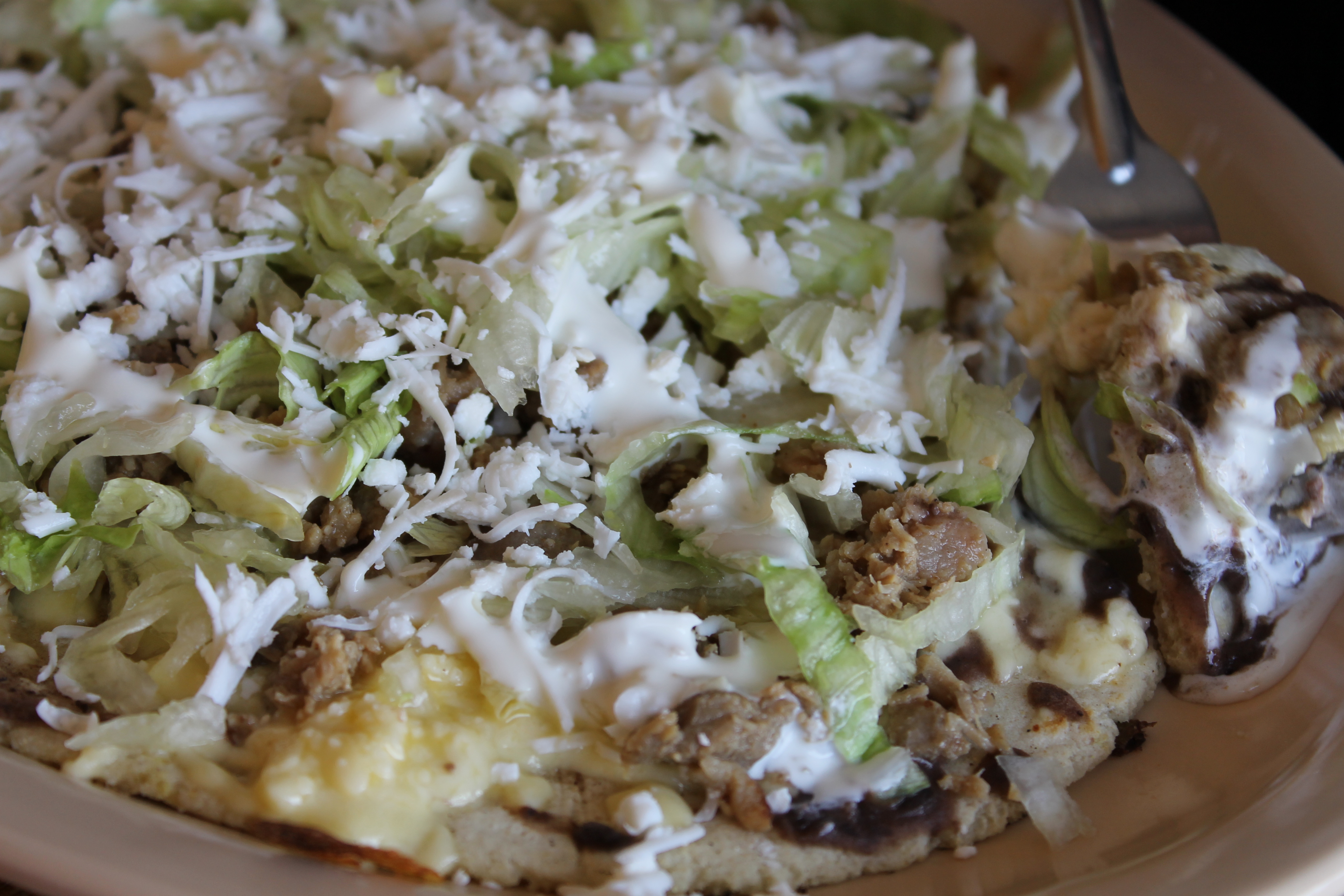
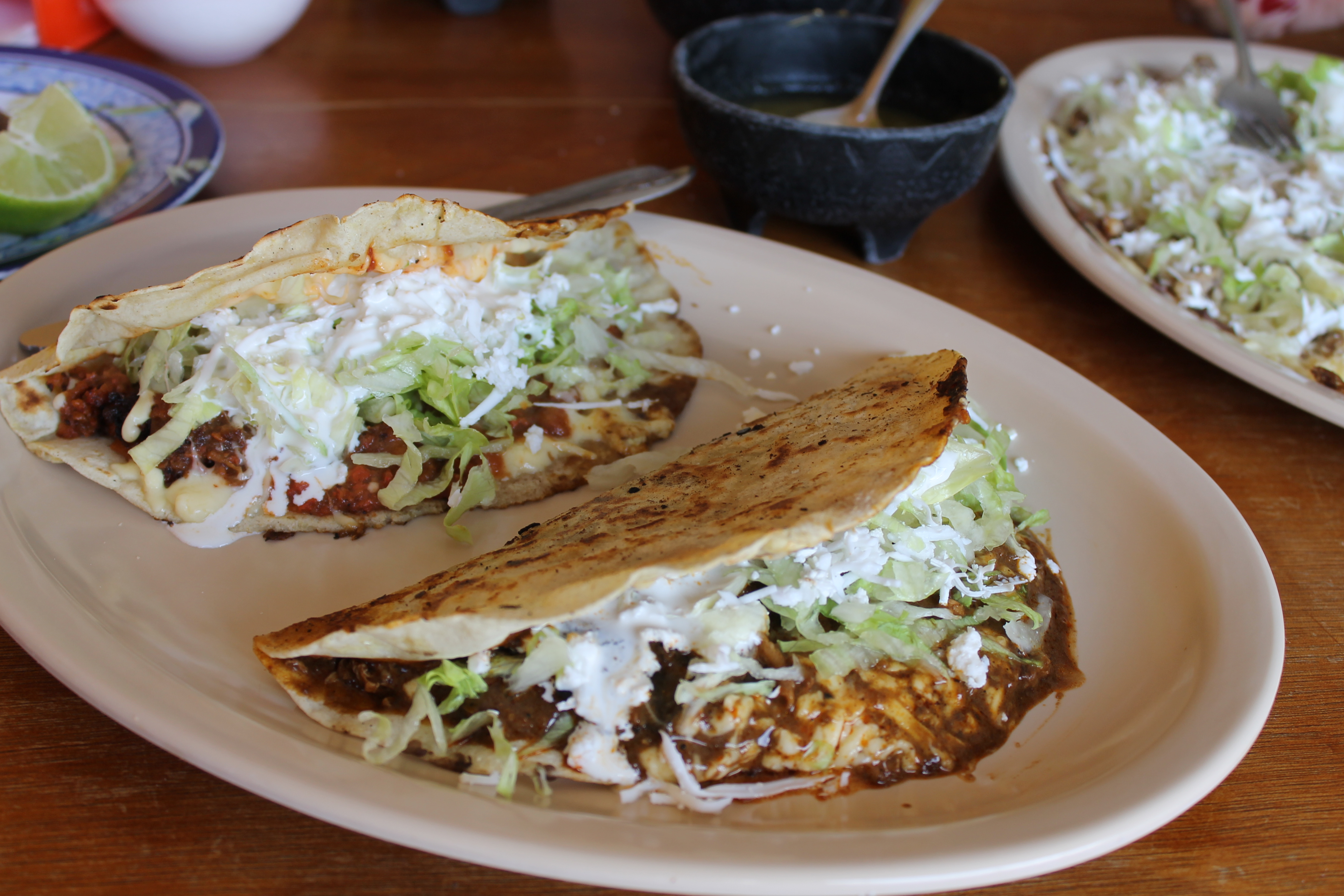
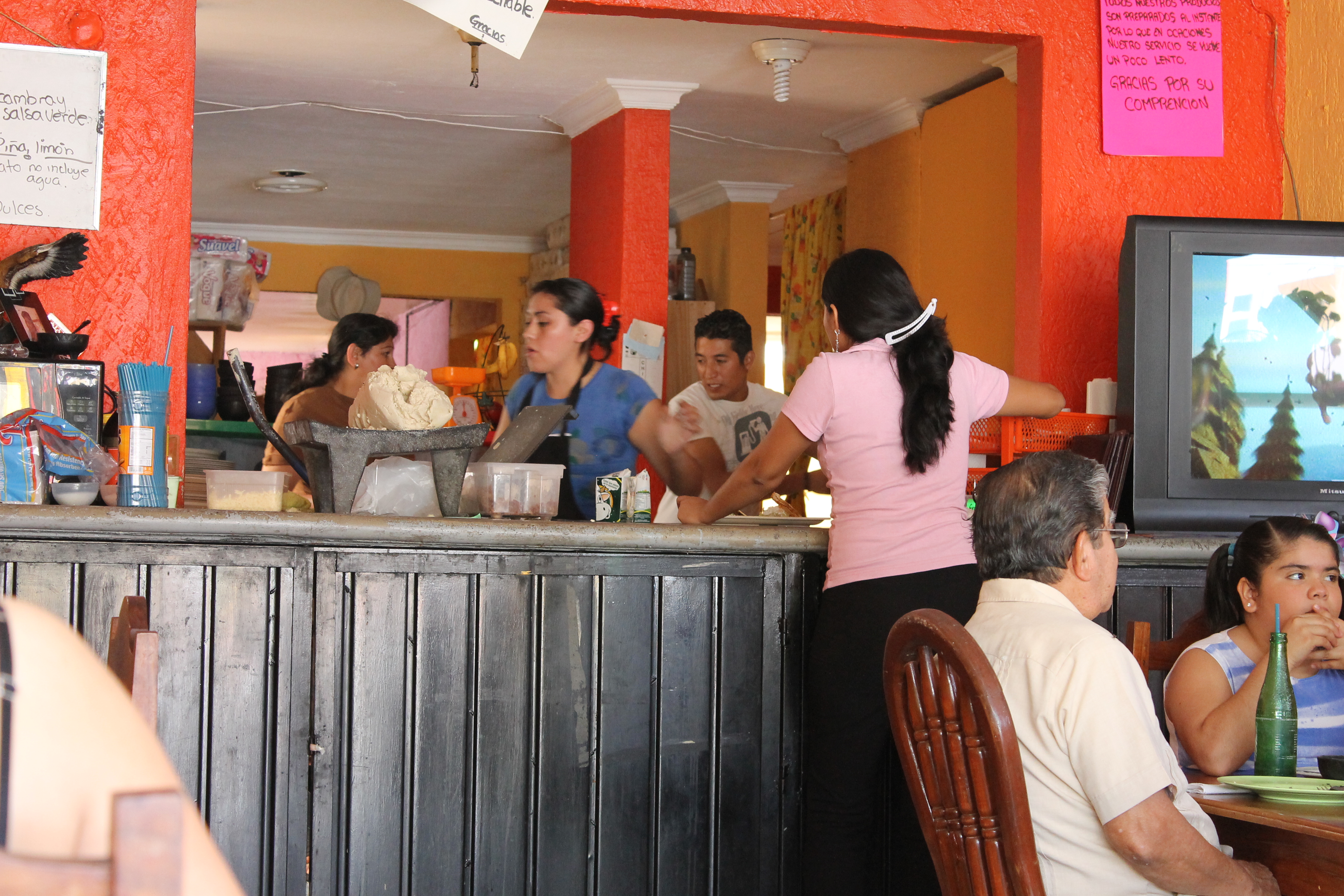
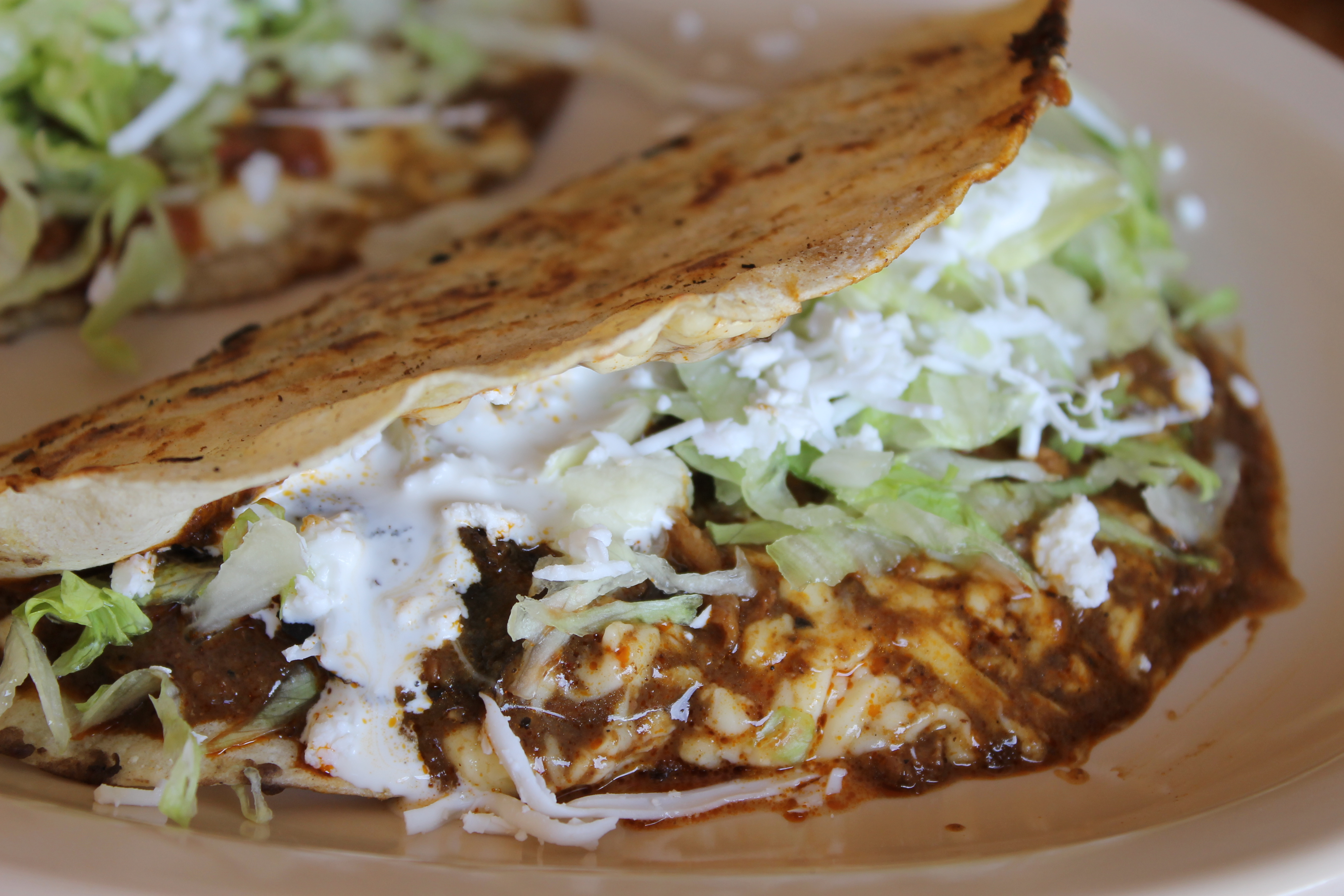
A quick call to the Better Half and the Critic was seated, waiting for BH to arrive and order. And what an order! Quesadillas and sopes and gorditas are on the menu, and are stuffed with all sorts of artery-pluggin goodies. Papa con chorizo, cheese and poblano chile and many more. The Critic and Better Half were hungry and ordered too much, evidently. Check the photos for an idea of the generous portion sizes. The food was all good, very good and the salsas bitingly spicy. Service; well the restaurant is in a garage so don’t expect the Tour d’Argent but the one girl looking after all the hungry folks there did a good job of keeping everyone happy.

La Pigua, revisited

La Pigua!

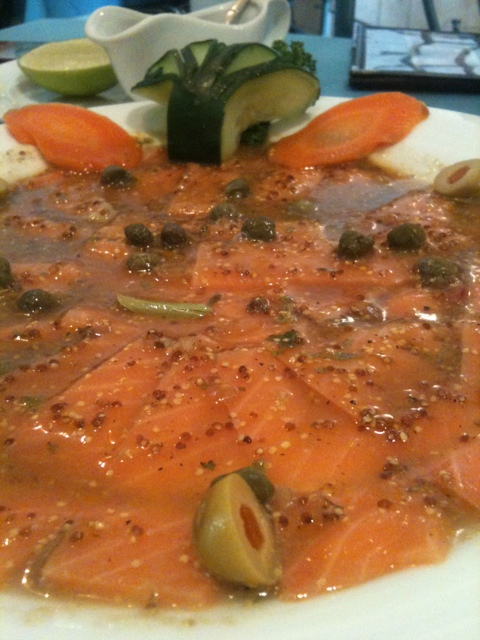
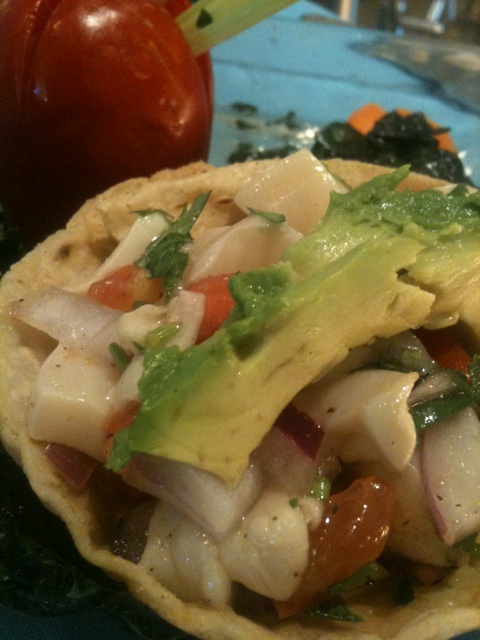
A recent visit with the MiniCritic confirmed to the Cantankerous Casual Restaurant Critic that La Pigua continues to be one of Merida’s finer restaurants with delicious, freshly prepared and tasty food and great service. In the photos, from top to bottom: Coconut Shrimp, Ceviche de Salmon, Tostadas de Callo de Hacha (scallops) and the Critics personal favourite, Calamares Sir Francis Drake.

20120107-205029.jpg

20120107-205151.jpg

20120107-205205.jpg

20120107-205214.jpg

La Rama – Yucatecan Christmas Tradition

During the weeks leading up to Christmas, in the more popular neighborhoods – popular being the local euphemism in Spanish for poor neighborhoods – you can see packs of children aged 5-13 or going door to door and singing; well actually chanting, a peculiar little refrain that apparently is a recreation of Mary and Josephs quest to find shelter when their little baby Jesus was going to be born, back in the day.

I managed to corral one of these small packs, roving through the Cordemex neighborhood with about 30 other groups, under the watchful eye of two mothers who maintained a healthy distance while their offspring attempted to collect some money at each stop. To me, this resembled a great deal the North American Halloween tradition when one goes door to door shouting Trick or Treat, except here it was at Christmas and the theme was religious; in addition, the desired outcome was to receive some coins while the offspring of our neighbors to the north are on a quest for sugar.

When I asked the group if I could record them they looked back at their Moms and then again at me. The Moms nodded and smiled, and I told them to pretend I was just another house. They acceded and began their little song.

The song itself presumably had a melody at some point, but this small detail was lost on this particular group (and all the others I suspect, given the level of musical education and appreciation available for this socioeconomic group in the public education system in the Yucatan) and they had repeated the verses so often that they were in a rush to get through them all. As the song progressed it became a rushed jumble of words as each member of the group tried to arrive at the end first.

In the ensuing silence the homeowner either ignores them or comes out and gives them some coins and so, thankful for their cooperation with my little recording project, placed a 50 peso bill in the shoebox that contained the evenings haul up to that point as well as some plastic Christmas-y figurines that I assumed were Mary and our man Joseph. Their eyes widened at the sight of some paper money amongst the coins and they looked furtively back at the Moms and sang part two of their little song, faster than even the last few words of the previous chant and eager to get back to the adults and show them their newly-acquired wealth.

Here is the recording:

Part 1 – http://www.soundcloud.com/lawson_william/la-rama

Part 2 – http://www.soundcloud.com/lawson_william/la-rama-ii

And, since you probably won’t understand what the heck they are chanting, especially at the end when they’re racing to the finish line, here are the lyrics:

Part 1:

Me paro en la puerta
me quito el sombrero
porque en esta casa
vive un caballero.
Vive un caballero,
vive un general
y nos da permiso para comenzar.

Naranjas y limas
limas y limones
aquí está la virgen
de todas las flores.
En un jacalito
de cal y de arena
nació Jesucristo
para Nochebuena.
A la media noche
un gallo canto
y en su canto dijo:
“Ya Cristo nació”

Zacatito verde, lleno de roció
el que no se tape
se muere de frío.

Señora Santana,
¿por qué llora el niño?
Por una manzana que se la ha perdido
Que no llore por una, yo le daré dos
una para el niño y otra para Dios.

La calaca tiene un diente,
tiene un diente.
Topogigio tiene dos.
Si nos dan nuestro aguinaldo, aguinaldo
se lo pagara el señor.

Part 2 (this is the “hurray we got some money!” version:

Ya se va la rama
muy agradecida
porque en esta casa fue bien recibida
Pasen buenas noches, así les deseamos
pasen buenas noches, nosotros nos vamos.

Lyrics from http://www.navidadlatina.com/mexico/larama.asp

Home Depot Less Than Homey and Superama Far From Super

While I thought I had already ranted about Home Depot and Superama, a quick search on this collection of neurotic writings confirms that I have not.

Oh joy!

I feel particularly inspired as yesterday was a shopping kind of day and I found the customer service on my forays into the two stores mentioned in the title to be far from deficient; it was downright awful and would provoke at least a meeting at the head office, if they cared enough to monitor these kinds of trivialities.

Home Depot

First, it was exchange time at Home Depot. The items I had purchased the day before were the wrong size (stupid of me I know) and I arrived at the inappropriately named customer service desk and patiently waited for the one individual manning the 5 computers there to acknowledge my existence.

While completing the enormous amount of paperwork required for a return and subsequent devolucion of money, I watched his gum chewing, unshaven face as he moved, turtle-like, from one computer to the other, hoping to perhaps catch his eye and therefore initiate what would be in most places a conversation something along the lines of “I’ll be with you in a minute”. Alas, this was not to be and when he finally finished with his Herculean task he looked around indifferently and asked “quien sigue?” Meeting his gaze, I motioned to the couple across the way and off he went, at his jackrabbit pace. During the entire time, many Home Depot employees came and went, joking with Mr. SallowFace and completely ignoring the growing crowd around the counter.

Finally, it was my turn and admittedly the operation was completed in a quick and painless, no-questions-asked fashion. But the complete lack of friendliness from each and everyone of the employees I had (sort of) contact with was amazing.

Superama

Later on that day, towards the evening to be exact, when the xkaues return to the trees on Prolongacion de Montejo creating a racket that any Meridano abroad could immediately identify and would miss wholeheartedly, I entered Superama.

For those who don’t know, Superama is an offshoot of Walmart (yes, another one) and is supposedly geared towards an upscale clientele, as evidenced by their displays and the selection of gourmet products available for purchase. The human resources department, however, did not get the memo and the service of the unfriendly cashiers and employees in general (with the exception of the bag boys who are smiley and eager to provide one with good service) is downright shameful. The announcements over the PA system are identical to those of any supermarket with that sing-song tone and the fact that there are advertisements all over indicating that the prices are better than the Comercial Mexicana make one doubt about who the supermarket is trying to attract. Price is not that an important factor for an upscale clientele who look for service and quality along with their imported Danish cheeses.

In any case, I approached the fresh meat counter and, after waiting for a woman covered in blood (her apron) to appear from the dark netherworld of the meat locker. When she saw me, she nodded upwards and said “Que va a llevar?” If you have lived here for any length of time you know this head-nod greeting; you walk into a store or office and the clerk who was up to that point engrossed in his work (rare), a TV program (more common) or a torta (more common than you would think) in a desk drawer, will look at you and, raising eyebrows and head at the same time in a questioning gesture, may or may not actually utter a word.

In any case, to the bloodied meat lady I said “Buenas noches” whereupon she repeated her question, a little more impatiently this time “Que va a llevar??

Realizing that I was getting nowhere with social niceties, I pushed the envelope a little and asked her if she was in a bad mood or something. She said no, and again asked me what I wanted with a look of exasperation creeping into her expressionless face. A moment later, when a coworker stopped by to chat, I was surprised to see her cracking a smile at some probably excellent gossip. But, following the Superama Customer Service Code, when she turned back to me, the customer, aka the enemy, her smile evaporated and was replaced by her grim, stoney face

To answer her at last and feeling that it might be more appropriate, I decided to switch to a simpler, more Tarzan and Jane monosyllabic conversational style. I said “Pierna” (leg of pork) to which she replied, catching on quickly “Cuanto?” to which my answer was “3 kilos” and in a few more moments, with no more unnecessary pleasantries exchanged, I was on my way.

After buying this and that and checking some product labels which enlightened me to the fact that all the white asparagus, no matter what brand,  comes from China, I proceed to the checkout and met my sneezing cashier, who was spreading her germs in the most carefree and alarming manner. I asked if she had a cold or an allergy to which she shrugged, expressionless. Again, the Superama Customer Service Code at work!

At this point I gave up trying to be sociable and was therefore pleasantly shocked when the bag boy, a lad of no more than 14 actually smiled, looked me in the eye and said “gracias!” when I tipped him in such an enthusiastic manner that it reaffirmed my faith in humanity and proved that not everyone is destined for a future in Superama.

Far from an upscale shopping experience, shopping at Superama is no different (except for the price) than shopping for your groceries at Super Willy’s in downtown Uman.

***********************

I would love to hear your comments and opinions on customer service at either of these not-so-fine establishments and also, what market segment Superama is trying to attract, as I can not figure it out.

You’re Safe in the Yucatan – A Real Life Example

Let’s see the North American newspapers print something about THIS.

Yesterday, when returning along the Cancun highway from Izamal after a hard day of eating tacos at Wayan’e, visiting antique shops and visiting the yellow city of Izamal, I passed a car parked on the side of the highway just in front of a state police truck, lights a-flashing as usual.

Glancing back in my rear-view mirror I noticed two white people and a pile of suitcases next to the car and thought to myself “these folks could probably use a little assistance” and upon returning to the scene, found a mother and daughter pair of Canadians who were stuck there and had been for the last 3 hours.

SPV heroes taking care of our visitors thank you very much. Publish this, CBC!

Turns out their rental vehicle – a crappy little Nissan Tsuru – had caught fire (literally, there were flames coming out of the motor) and they had to abandon the vehicle before a good Samaritan in a BMW stopped with an extinguisher and put it out. Also, villagers and passers by offered water for the now red-faced (from the sun) Canadians. Things were friendly enough but the state police folks wouldn’t let them go until the federal police showed up to take over the situation (the Cancun-Merida highway is a federal highway) and make sure everything was hunky dory. The state police had already contacted the feds, but three patrol cars had already driven by and none had stopped; meanwhile the rental folks back in Cancun had told CanadaMom and daughter that someone was coming, but of course as they had no office in Merida, this might be a while. Needless to say, Mom was a little tense but they were good sports about it and had been talking about food and recipes with the policemen who were reluctant to leave the scene or the ladies.

After talking to the rental agent in Cancun and telling him where his rental car was and where his customers would be to get them another vehicle, and then the police assuring them that everything would be fine and the ladies were coming with me, I loaded them all into the car and away we went.

They assured me that they at no point felt unsafe or threatened in any way; just frustrated with the pace of the resolution of their situation. Let’s see the North American newspapers print this story!

Lessons learned:

1) Rent your car from an agency that is established and has offices in both Merida and Cancun in case something like this ever happens to you. It’s an unlikely scenario, but it can happen.

2) If your rental car catches fire in Mexico, make sure you are in the Yucatan, the safest state in the country.

Huevos Motuleños – in Motul

Is there someone out there who hasn’t realized that Huevos Motuleños are named after the town of Motul; birthplace of Felipe Carrillo Puerto, one of the more renowned governors of the state of Yucatan? Perhaps. The town of Motul actually got its name from the Mayan priest  Zac Mutul, who founded the Mayan settlement there in the 11th century.  But today we are not going to talk about history; we are talking about the eggs. Huevos Motuleños, which has a back story, apparently.

The story, as far I can decipher, is that Felipe Carrillo Puerto asked local restaurateur Jorge Siqueff to make him something for breakfast; something different. And this now iconic Yucatecan dish, served everywhere Yucatecan food is offered (and with as many variations as there are Yucatecan restaurants) is what he came up with.  The version in Motul is probably the closest to the original, and starts with crunchy fried corn tortillas or tostadas, topped with refried black beans, topped with your choice of eggs (sunny side up, runny, scrambled) topped with a unique cooked tomato sauce that has chunks of (should be smoked) ham and peas.

Check out some video (in Spanish) on the subject of this unique breakfast item here and here:

This is how the Critic and his guests had this breakfast one morning a few days ago on the second floor of the Motul market and it is absolutely delicious!

The lady in the Mirador spot (photo below) was very friendly and offered free refills on the horchatas; and as if the eggs were not enough, warm frances (crusty french-style white bread) was brought to the table as well.

Total bill for a breakfast that will keep you energized for the whole day? $40 pesos before tips. That’s a little over 3 dollars, for those doing conversions.

Wayan’E – Again

Poc Chuc and Chicharra tacos. Notice the beans.

After so many years of living here and not going, Wayan’E has received more visits from the Casual Restaurant Critic than usual, probably because of his rather sparse pocketbook situation (dictionary sales are down this lifetime) and also because Better Half is always on a trip someplace exotic.

Read the previous review here; there is really nothing new to report except that the tacos are delicious, the service friendly as hell and the prices are fantastic.

I am hungry now what with that photo. I think I will go al ratito which does not mean “to the little rat” but rather “in a little while”.

Pat Reflects on her Merida Reno

(Authors note – so as not to confuse you, dear reader, this particular moment happened before Betty came to Pat’s house to discuss the Seidy ‘situation’) Enjoy!

*******************************************************************************

“15 new messages” was Pat’s cue to begin clicking around her Facebook page, reading this and that until she remembered that she had wanted to replace the happy couple photo currently adorning her profile with something a little more up to date.

She clicked on “change picture” and began burrowing down into several directories on her laptop where she had stored her photos from the last few months, looking for something appropriate to show the world that she was adjusting to life in Merida, newly single without appearing too available or needy, and reasonably happy.

She opened a directory in which were photos of her in and around her new Merida house, before, during and after the renovation. The architect, a short, fifty-ish Yucatecan with greying hair and an excellent command of English, really had done an amazing job, and she congratulated herself on the decision to hire him based on the stellar recommendations she had found on several websites dedicated to the subject of life in Merida.

At first he had not seemed that particularly enthusiastic about the project, but she soon came to realize that this was his personality; cool, calm and serious, not prone to enthusiastic outbursts of feigned optimism or dramatic displays of frustration or dismay in the face of the many adversities that their project had run into. When the gutting of the house had begun, he negotiated on her behalf with the badged inspectors from the local INAH office who eagerly descended like rapacious vultures on the property, apparently smelling their prey from their air conditioned offices far away and anxious to justify their blood-sucking existence by attempting to apply their extensive rules and regulations on yet another unwitting foreigner who would surely pay any and all citations and fines involved with such a project. Pat suspected, and the architect later confirmed, that they could care less about the ‘historic preservation’ aspect of their mandate and were much more interested in supplementing their incomes with a little extra cash in exchange for certain permits and permissions.

He had also managed the hiring and supervision of the firm that provided sandal-clad albañiles who did the construction, the ingeniero who re-did all the electrical work and the company charged with renovating the plumbing. These contractors were all alike in that they appeared on the construction site as a group of rag-tag brown men who did all the work; an ingeniero who wore an impeccably clean long sleeved shirt and blue jeans with an ironed crease and who spent an inordinate amount of time on his cell phone while sitting in his air conditioned pickup on the street outside; and his assistant who was the immediate contact with the workers and who, if necessary, could be counted on to move things along and actually get dirt under his fingernails.

Pat had watched the work progress with fascination and more than a little concern, marveling at the way the workers would move giant rocks, heavy wooden beams and truckloads of concrete blocks and sacks of cement, without the benefit of a hard hat or steel-toed boots. Perched on precarious metal and wood andamios, they would shout to each other in what Pat would later find out was Mayan, avoiding all eye contact with the gringa watching below. On the rare occasions that she had tried to initiate some sort of dialogue with her admittedly limited Spanish, they would look at her blankly and then continue on with their work. Mostly, they ignored her.

The much anticipated visit (Pat had read about this on the internet) from the IMSS official who had come to verify that the workers on the list he had received as being on the payroll were in fact the same as the ones actually on the job, had resulted in work stopping for a day as initially the architect had not been on site and the man from the IMSS had tried to communicate his mission to Pat, who really did not understand the finer workings of this typical Mexican bureaucratic institution. When she finally managed to locate the architect on his cell phone, he told her he was in Progreso and would be back in the afternoon. He reminded her not to sign anything and ask the IMSS to return later in the day. Mr. IMSS was a little miffed and warned everyone present that the work could not continue until he had spoken to the architect and so, the workers sat around to wait for further instructions from the ingeniero who was due to arrive in a few hours. Pats voiced concern that the time could be spent sweeping and/or generally doing some cleanup was met with more blank stares and a few shrugs.

During the re-construction phase, Pat had learned to keep away from certain parts of the evolving house, as these were used as changing facilities and what her nose told her was a latrine, until she made it clear to the ingeniero and architect that she would pay for a portable toilet.

When the albañiles were done and the walls resurfaced and smooth, the electrical and plumbing workers moved in, smashing holes and canals in these same, apparently finished walls into which were inserted copper pipes for the upgraded plumbing and plastic tubes into which the electrical wiring would be pulled. This made little or no sense to Pat, who did not understand the natural order of the construction process in Merida but was reassured by her serene architect who simply nodded and explained to her that this was the way it was done.

Finally, the rough work was complete and the adventure continued with carpenters, painters and aluminum workers, who, under the architects guidance finished the house more or less on schedule and with minimum collateral damage.

Her thoughts wandered back to her present. Ah yes, the profile picture. Pat sipped her lemon tea and decided on a photo where she was standing in front of her bright yellow wooden front door, which contrasted sharply with the deep burgundy color of the facade of her new Merida home, clicked on the upload button and waited for her profile picture to update itself.

The doorbell rang.

Pat padded through the silent house, cup of tea in hand and opened the door to find Seidy waiting.

Buenos dias, Seidy” said Pat, opening the door wider to let her muchacha in. “Buenos dias, señora” said Seidy with a smile and headed towards her room beyond la cocina, to the obligatory cuarto de servicio, to change into her work clothes for the day. Initially, Pat had balked at the concept of making a special room for the hired help, but after being reassured by her architect as well as several other people who knew about these things, she agreed to include the additional room in the renovation.

“I really must call Betty” thought Pat, watching Seidy disappear into the kitchen, as she closed the door quietly and returned to her laptop. Her Facebook profile picture now featured a beaming, obviously happy middle aged woman standing in front of a brightly colored colonial style home. “Much better” thought Pat, closing the laptop for the moment and heading back to her bedroom with its en-suite bathroom to prepare herself for the day ahead.

Los Platos Rotos aka The Broken Plates

The Platos Rotos restaurant has been on the Critics to-do list forever, as it comes highly recommended by the fine folks over at Yucatan Living and today was the day that the Casual One dragged his sorry butt over to the popular chilango eatery to have some lunch and break an all-protein diet.

The first thing the Critic noticed was the baby crying. No, not really, that came after the realization that there was soft jazzy music coming from the speakers instead of horrid Mexican pop or ponchis ponchis or worse, a blaring television. There was no television!! Five stars right there for that omission!

There was a chalkboard menu and the Critic took the first item on the short list of about 7 or 8 items: Costillas en Ciruela or something like that. Ribs (pork, good for the protein diet) in a ciruela (plums or if the local version, chi’abal) sauce. “Sopa o arroz?” “Arroz” replied the Critic, although in retrospect the soup would probably have been delicious if indeed it was a soup as it is known in the US or Canada. Sopa can also be pasta you know.

Para tomar?

Jamaica

Unfortunately or fortunately there was no jamaica and so the Critic listened to the long list of fresh fruit aguas available and decided on guayaba, which came zipping out of the kitchen in a flash and was fruity and creamy and extremely refreshing.

Then the food was out before the Critic could check in on Foursquare as was a plate of not warm refried beans and some crispy chips aka totopos which were thankfully a far cry from the thick, limp corn chips served at VIPs, ugh. The food was fantastic! The ribs were cooked in the most delicious and satisfying sauce, complete with a few potatos thrown in for added carbs. It was almost good enough to lick the plate!

The only downside to the experience was the idiot at the next table who, cellular hands free bluetooth accessory in his ear, would take phone calls in a voice that could be heard in the bull ring three blocks away. The service was prompt and efficient. The price was ridiculous. $45 for the meal and $20 for the drink. A gourmet lunch for 5 dollars.

As Arnold would have said: I’ll be back.

Enter Marco San Pedro de las Asturias de Barlovento Ruiseñor Pesado

Marco San Pedro de las Asturias de Barlovento Ruiseñor Pesado or “El Duque” as he was jokingly referred to by his Yucatecan friends walked carefully along the sidewalk; at this time of the afternoon it was late enough that he didn’t need to be concerned about which side of the sidewalk it was, as the sun had already disappeared behind the buildings in el centro and the temperature, while still very warm, was no longer suffocatingly hot.

He didn’t mind the nickname. It was to be expected, what with that insanely pretentious last name his parents had insisted on bestowing upon him.

Originally from Alicante, Spain, his mother Doña Alicia Ruiz-Señor Pesado and his father Don Marco San Pedro de las Asturias de Barvolento were of royal blood, or so they claimed. They had fled Spain and it’s violent civil war in the late 1930’s, able to do so through their wealth and connections, had come to the Yucatan and settled in Merida in a fine mansion in the city’s center and had pursued their lifelong ambitions of alternately impressing and intimidating those around them, in their minds all undoubtedly of inferior social class and economic means. Doña Alicia was particularly fastidious when choosing worthy companions for her weekly canasta game. Meanwhile Don Marco had opened an exclusive boutique that provided the up and coming society around them with the finest clothing and fashion accessories and had been able to maintain the pleasant fiction that was their royal status in a new land teeming with aspiring socialites and new money.

Marco, the son, was one of 8 children, neither the youngest nor the oldest but somewhere in between and had been raised – as were all the children – to carry on the family tradition of pompous superiority but had committed the grave and imperdonable sin of falling in love with the dark skinned daughter of one of his fathers Mayan tailors. The outrage and dismay caused by this breach of etiquette resulted in his virtual banishment from the family and its fortune, such as it was, and when Marco announced his decision to marry the girl, his mother and father upgraded his banishment status from virtual to real and he was, as they say, ‘cut off’.

He had moved to a relatively new – at that time – area of Merida, the colonia Garcia Gineres, with his new wife whose apellidos were considerably shorter and monosyllabic and found work with a company that commercialized products related to the booming henequen industry. They had raised 3 fine children, two sons and a daughter, who were themselves now married and successful in their own right. Now in his sixties, Marco divided his time between his garden at their Garcia Gineres home and socializing with lifelong friends and acquaintances, many of whom were getting on in years, but who still found time for a game of domino or a weak, tepid coffee at a small cafe in the bowels of the Lucas de Galvez market, in the very heart of Merida. During these encounters, the old friends would discuss the latest local and national political gossip, argue over whether Bush was right in invading Iraq or not and describe their various ailments to one another.

It was, in fact, one of these sessions that Marco had just left, and was now on his way to a bus stop some blocks from the market. He chose to walk a few blocks each time he came downtown as it was his only form of exercise and the walking seemed to ease the pain in his knees that would flare up when he spent too much time kneeling in his garden.

He was walking a little faster now, still remembering with a smile his friend Alberto – “El Caballo Perez” they called him – wagging his index finger as old men do – and giving them all advice about the dangers of mixing Viagra with Red Bull, when he noticed a door suddenly opening across the street and a woman staggering out onto the sidewalk. She clutched at her throat and without saying a word, dropped onto the sidewalk where she lay, motionless.

He heard himself yelling “Señora!” and, without even checking to see if a car, or worse, a bus, was coming, he rushed into and across the street to see what he could do to help this obviously ailing elderly woman who had, from the looks of it, fainted right there in front of what was probably her house. Behind him, a man with a bad leg came to the window to see what was going on, a television flashing blue light on the wall inside.

He reached the woman, now lying in a crumpled heap at his feet and felt his heart was racing, perhaps from the adrenaline charged effort of the sprint across the street or perhaps from the realization that he was faced with a possible life or death situation. Kneeling down he, he noticed cookie crumbs on the front of the woman’s simple house dress and he recalled her clutching at her throat just before she collapsed. At that moment a door in his mind that had been shut for ages opened and he remembered – as if it was yesterday – a medical training session that had been obligatory for all employees of Telas Agricolas Yucatecas S.A. many years ago and what to do if someone was choking. Reaching under the woman he half-lifted her in order to wrap his arms around her from behind, placing his hands under her sternum and applied what he remembered was a technique called the Heimlich maneuver, pulling his closed fists towards himself through the womans chest.

There was a sudden sputter, a cough and a gasp for air from the woman in his arms; a piece of something had flown out of her mouth and onto the sidewalk. “She is going to be fine!” thought Marco as he relaxed his grip and then, when he saw she was indeed breathing, released the woman, who was now sitting up, coughing, eyes watering. She turned to look at him, blinking, in confusion.

Se cayó, señora” Marco explained looking at her, concerned. “Cómo se siente?” he added. The woman could only nod, obviously still in a state of shock from what had just happened. Her breath came hoarsely. “Bien” she replied in a weak, unconvincing voice, between fits of coughing. He was suddenly aware of a voice from the television inside the house; a woman’s voice seductively extolling the virtues of Ponds hand cream.

Across the street, Don Arsenio had opened the front door to his house and was standing, watching intently, completely oblivious to his television or the fact that he was not wearing more than an undershirt and ragged shorts. A few more passersby had gathered and they too, were watching from the safety of the opposite sidewalk, and from that group a heavy-set woman accompanied by a small child, a girl of about 7 or so, quickly checked traffic and crossed quickly over to Marco and the now calmer Juany, still sitting on the sidewalk. In her hand was a cellular phone.

Acaba de llamar a la policia” she said excitedly to Marco, her eyes not leaving the woman sitting in front of her “dicen que ahorita vienen” The little girl stared at the strange sight of a grown-up sitting on the sidewalk.

Marco nodded. “Le ayudo entrar?” he asked the woman on the sidewalk, motioning to the open door of her home. Doña Juany nodded and tried to get to her feet. Marco took her arm, helped her to her feet and gently escorted her inside, where he found a chair in the sala and sat her down. He turned off the television, silencing the strident, nasal voice of a woman making a pitch for a skin-bleaching cream.

An ambulance appeared moments later, lights flashing, its appearance heralded by sirens which had been thankfully turned off as it came to an abrupt halt in front of Doña Juany’s home. The heavy set woman enthusiastically filled in one of the paramedics with the details as she had seen them, while two others went inside the house to check on Doña Juany. While Marco explained what he had seen and done, the paramedics checked Doña Juany’s pulse and made sure she had not hit her head. When asked if she would like to be taken to the hospital ‘para que le revisen‘ Doña Juany shook her head vigorously and it was decided that she was fine, no injury to the head and so, no danger of a concussion and, after a brief interrogation of Marco’s relationship to the woman and jotting down the particulars, the three of them left, pulling away in the ambulance that now only sported a smaller, more discrete number of red and blue lights flashing on its roof.

Marco pulled up a chair, sat down in front of the woman and asked if there was someone he could call. He felt it would be unwise, as well as somehow discourteous, to leave the poor woman alone after her fright. Doña Juany, now regaining her composure, replied that yes, but that her phone line had been canceled and that the nearest phone was at Maria Inés corner store down the street; she scribbled a phone number in pencil on a slip of paper napkin and Marco stepped out to find the grocery store and make the call.