Tag Archives: William Lawson

From Quince to Pitaya

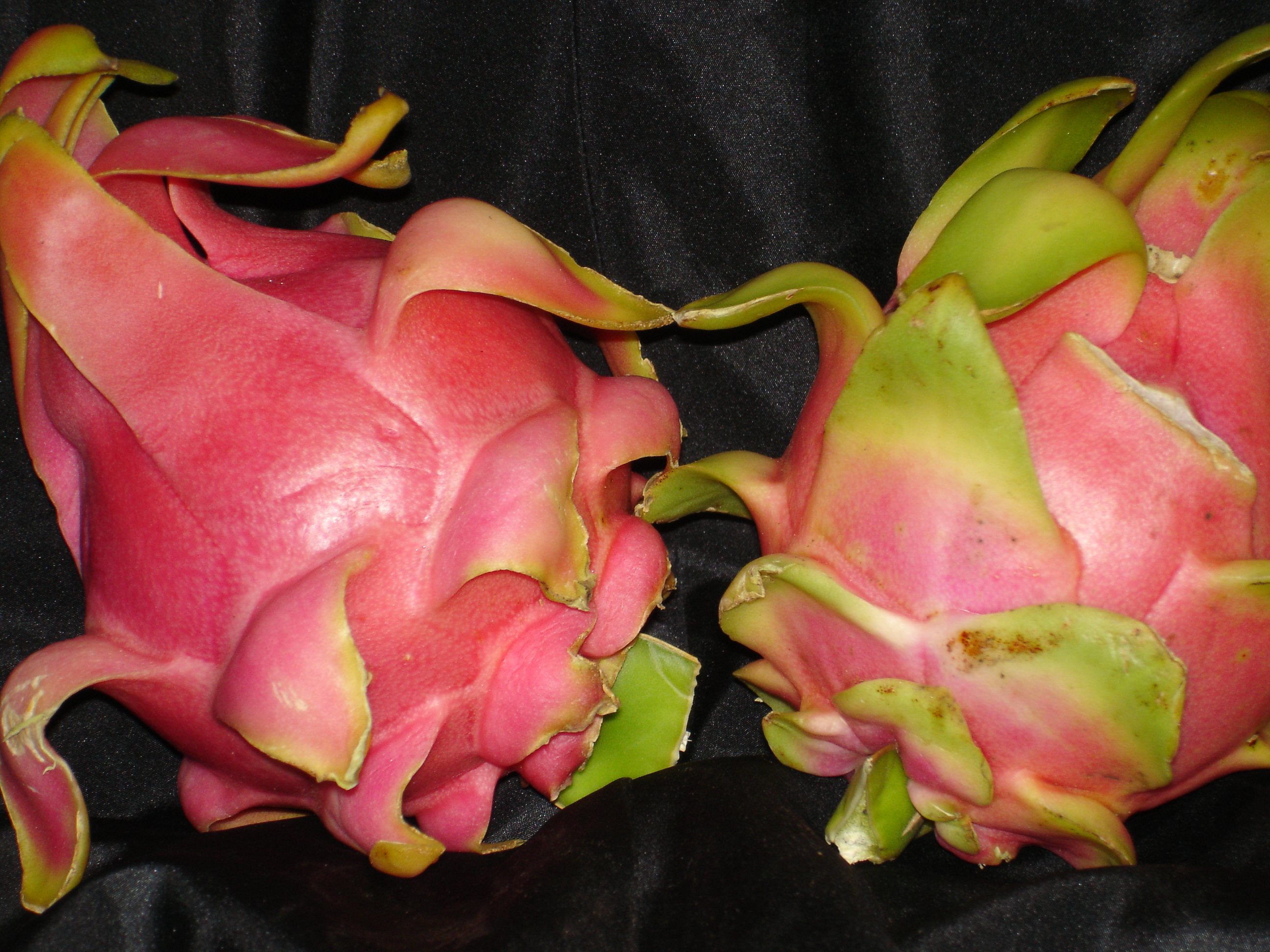
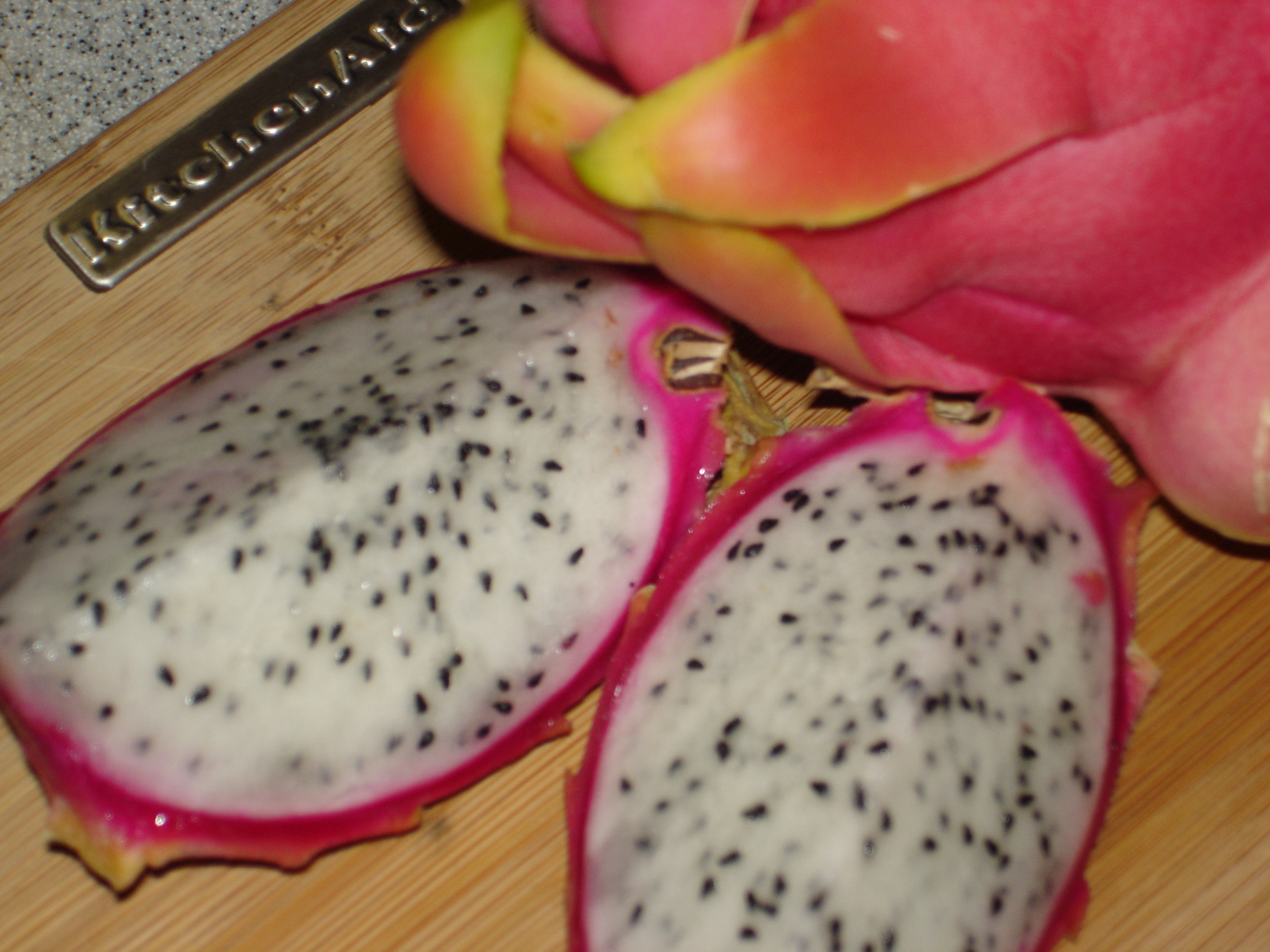
The Pitaya, also known as the Pitahaya, among other things (Google it – I did!) is now available at your local Walmart or mercado de frutas favorito. When you see the mass of purple, fuchsia and yellow piled in spiky heaps next to the poor regular-looking grapefruit you will surely be inspired to buy one or three or at least take a photo.

Oftentimes (is that a word I wonder?) people of the expat variety will look at me in horror when I tell them that a great many Meridanos shop for their groceries at Walmart or any of the other large supermarkets. I think I will write a post on the subject!

Doña Juany gets a Headache

Stepping out, broom in hand, into the relatively cool morning air in front of her colonial home that had once belonged to her parents and who had gone off and died, leaving her in charge of taking care of the old, crumbling family home, Doña Juany paused for a moment to take a breath.

Fate. Yes, as fate would have it and thanks to her ungrateful and unhelpful brothers deciding to marry and move to el norte because God forbid that her sisters in law should have to live in Merida’s congested downtown – las wachas – she had been the only one left to live in what used to be a grand colonial home but which was now reduced to a dusty relic, complete with cracks in the walls and ceilings, vines creeping into the kitchen and rotting wooden door frames. She glanced – half angry, half sad – back at the sagging front door and grunted sharply, beginning to sweep the sidewalk with quick, violent movements.

Of course she had not gotten married; the love of her life had been Carlos Irigoyen but what had been a promising love affair was fatally interrupted by the constant neediness of her mother who was on her deathbed and had no one else to care for her. Juany’s father had died a few months prior and that prolonged illness and the news that Mama was also now sick, was the motivation her brothers needed and they had fled the family home to take refuge with aunts and uncles and in universities in Mexico City and Monterrey.

“Anywhere but here” she muttered to herself, sweeping a little more vigorously.

Of course while they were off enjoying life and improving themselves under the guise of ‘studying a career’, she was left behind with Mama Rita, as the servants – long since gone after her fathers illness dried up what was left of the family fortune – used to call her; bathing, feeding, changing her now baby-like mother and arranging for a priest to come visit once a week to keep up her spiritual health. Not that she minded of course – she had to remind herself sternly – but wouldn’t it have been nice if her brothers had shown at least some interest in helping out, in some small way. But no, not even a hint of interest let alone outright help. And then they started in with their girlfriends, some of whom eventually became their wives – las wachas – and they all moved back to Merida, but as far away from el centro as possible, to fashionable neighborhoods with pretentious names, like Monte Alban and Monte Cristo and Monte Fulano and Monte Mengano.

Her sweeping picked up speed to the point where she was now slashing the broom back and forth, not even seeing what it was she was sweeping.

And so here she was, unmarried, overweight and bitter, saddled with a responsibility in the form of a house that she couldn’t get rid of even if she wanted to, given the condition of the building and the drooping real estate market in Merida.

She stopped sweeping and her eyes suddenly filled with tears. Embarrassed, she quickly wiped her eyes with the back of her hand and muttered something about el polvo just loud enough to be heard, in case anyone was looking out a nearby window or door.

She could feel a headache coming on.

It was at this moment that Frijol, the neighbors dog, sauntered into her line of sight and stood before her, looking up with those big dark malix eyes and wagging his tail expectantly. He was a healthy, well fed, all-black former street dog who had had the fortune to be adopted by Doña Juany’s neighbor, a gringa who had moved in a few years back and with whom Doña Juany had come to be on speaking terms when they occasionally crossed paths on their street.

With a jerk of his head, Frijol turned to bark happily at his owner, who now also appeared in front of Doña Juany.

Buenos dias, Juanita!” said Betty cheerfully.

Buenos dias, Doña Beti” answered Doña Juany, forcing a smile and hoping her eyes were not too red. “Mucho polvo” she added with a quick rub of her left eye.

Si” replied Betty “es muy seco todo” and with that she turned, waving, and sang out “adios Juanita!” while opening her front door and with the malix Frijol bounding happily ahead of her, disappeared inside.

Doña Juany looked after them for a moment, then took her broom and slowly stepped through the sagging wooden front doors back inside, closing them carefully behind her, making her way past the scratched petatillo rocker next to a small metal end table that featured a scene from a Disney cartoon, through the off-white, almost green square-tiled kitchen, making a beeline for the baño with the one naked overhead light bulb and finally reaching the stained wooden wall cabinet with the broken mirror, where she kept her headache medicine.

————————————————————————————–

Will Doña Juany find comfort in Aspirin? Will Frijol the Malix live happily ever after? Will Betty remember to call Pat?

Stay tuned for another installment of TihoTales, when inspiration strikes!
The Problem with the Muchacha

“I mean it’s not like she’s actually stealing anything” said Pat, holding the cup of decidedly watery coffee with both hands, feeling the cups smoothness and marveling at the fact that you could even hold a fresh cup of coffee in a porcelain – albeit chipped – cup with both hands. Shouldn’t this be hotter?

Betty nodded, completely in tune with the frustrated sentiments of her recently arrived friend from Baltimore, for whom Betty had procured a maid in response to Pats request because, as she had put it, “I need more time for my art.”

Blonde, blue-eyed and originally from Guelph, Ontario, Betty had had similar concerns when she first arrived in the formerly-white city of Merida some years ago but now had become accustomed to the locals way of doing things. She recalled the shock of finding her mozo, a young lad of about 22 with a limited command of English and decidedly Mayan features whom she had hired off the street, poking around in her kitchen when he was supposed to be watering her garden. “Que haces, Juanito?” she had asked and the mozo had simply shrugged and left her there, wondering if she should make it more clear what his job description was and seriously debating whether or not she should count the spoons.

Pat interjected with a sigh. “I know she is a sweet girl and would never take something without asking” she said “but I can’t shake the feeling that she has been through my things”

The waiter, a man in his fifties with a large belly completely inconsistent with his income, approached the outdoor table. “Mas cafe?” he asked, all the while checking out Betty’s legs, which were bare, muscular and tanned, thanks to her plaid shorts and a strict regimen of daily swimming and walking her dogs. “No, gracias” said Betty, while Pat just shook her head. The waiter retreated into the dark confines of the cafe.

Pat continued. “I mean there I was, in my studio doing some work with forks. You know I am working on a piece that involves forks, right?” Betty nodded. “And I look over at the kitchen and there is Seidy talking on her cell phone and putting something in her purse. So I put two and two together…” Her voice trailed off.

“Look,” said Betty soothingly, “you really don’t know what she was up to and I’m sure you’re just jumping to conclusions. Remember that I talked to Seidy’s mother before we had her come to work for you and she assured us that Seidy was very responsible and completely dependable.” Pat nodded. “Why don’t you ask her what she was doing?” continued Betty.

Pat shook her head, setting down the chipped cup. “I couldn’t do that” she said, “I would be accusing her of something and what if it is all a misunderstanding?”

Betty smiled gently. Pat had been through a lot in the last few years and her self-esteem was still somewhat fragile. After her husband had left her in yet another classic middle age crisis love story, Pat had spent much of her time depressed and only when she discovered her passion for art – and anti-depressant drugs – did she climb out of her funk and rejoin the living. Now she had managed to purchase a small home in Merida and was getting by on her savings and the occasional sale of her rather controversial art. There was not a huge market in Merida, it seemed, for abstract sculptures made of kitchen utensils.

Betty signaled for the bill to a passing busboy using that ‘writing-in-the-air’ motion she had picked up as part of her cultural conversion, who nodded and continued on to the cafe’s interior. A moment later the waiter emerged from within and asked Betty if she wanted the bill. “Si, por favor” she said and a few minutes later was fishing through her fanny pack for some pesos. Placing the money on the bill and mentally calculating the 10 percent she was leaving as a tip, she looked at Pat. “If you like, next week when I have a moment, we can sit down – together if you like – and talk to Seidy and find out what she’s up to these days. You know, sometimes when you talk to them, you get to know a little about what it is that’s going on in their lives and everything is really OK.”

Pat’s slightly worried expression seemed to brighten a few shades. “That would be great Betty” she said, “can I call you?”

“Of course” Betty replied with a smile. They got up and made their way down calle 62 until they came to the corner of 61, where they parted, with a peck on the cheek just like the local ladies of a certain economic and social background do it, and continued on to their respective homes in Centro.

——————————————————————————————

Will Pat resolve her doubts? Will Seidy cough up her secret? Will Betty adopt another street dog?

Stay tuned for another installment of Ti’ho Tales, coming soon, should the inspiration strike!

Here’s a Weird Fruit You Won’t Find in Publix or Safeway

In an ongoing conversation I am having with someone online one of the things he mentions is that he wants to buy some vanilla-flavored tequila on his upcoming visit. Not being familiar with flavored tequilas, I stop at COVI, our local specialty liquor store to see what they have available. There is no vanilla-flavored tequila, but there is tequila almendrado which means it has been flavored with almonds and tequila with membrillo.

What the hell is a membrillo anyway?

A stop at Walmart to check on prices for some Microdyn that another online acquaintance is asking for, I pass the newly refreshed fruit and vegetable aisle and what jumps out at me (figuratively, not literally) but a whole bin full of membrillo. So I buy one.

It’s a hard fruit, like an unripe pear and cutting it open is difficult and yields a hard flesh and stony seeds. I have seen dulce de membrillo here and there so I suppose that this is what it is best suited to; cooking the bejeezuz out of it with lots of sugar. It’s flavor is slightly applish but takes so long to chew that I don’t have a second chunk.

If anyone knows the story behind the membrillo, don’t be afraid to share!

Here are some photos of this strange and decidedly exotic fruit:

New PhotoBook on Meridas Fabulous Doors Now Available!

My good pal and associate Ralf has published a new photobook of a very small selection of Merida’s beautiful doors, taken in downtown Merida one sunny afternoon! If you like reading this blog and have found some use for the information contained herein, you can support the effort and get an attractive Merida souvenir at the same time! Enjoy!

Vivero Fun

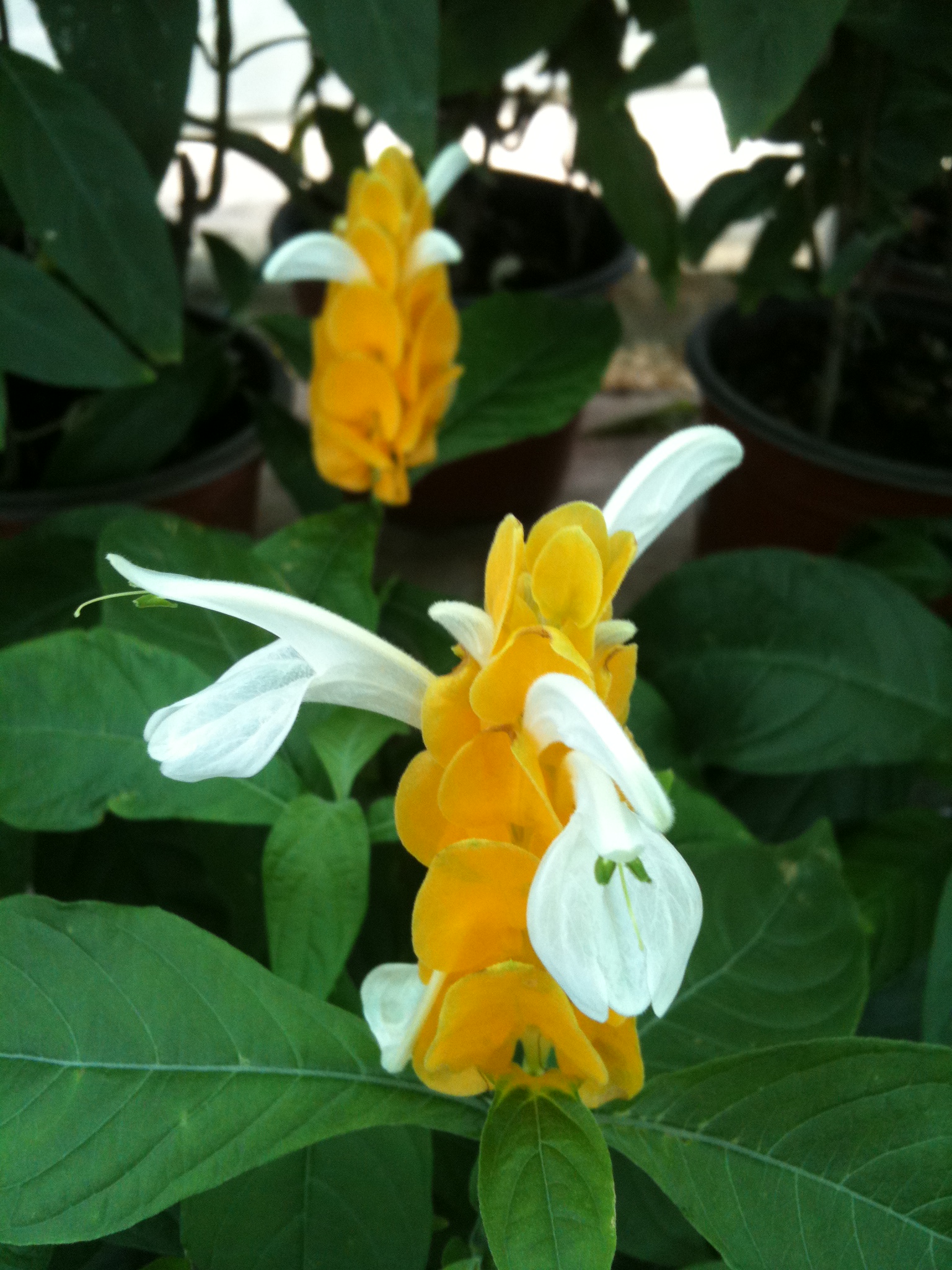
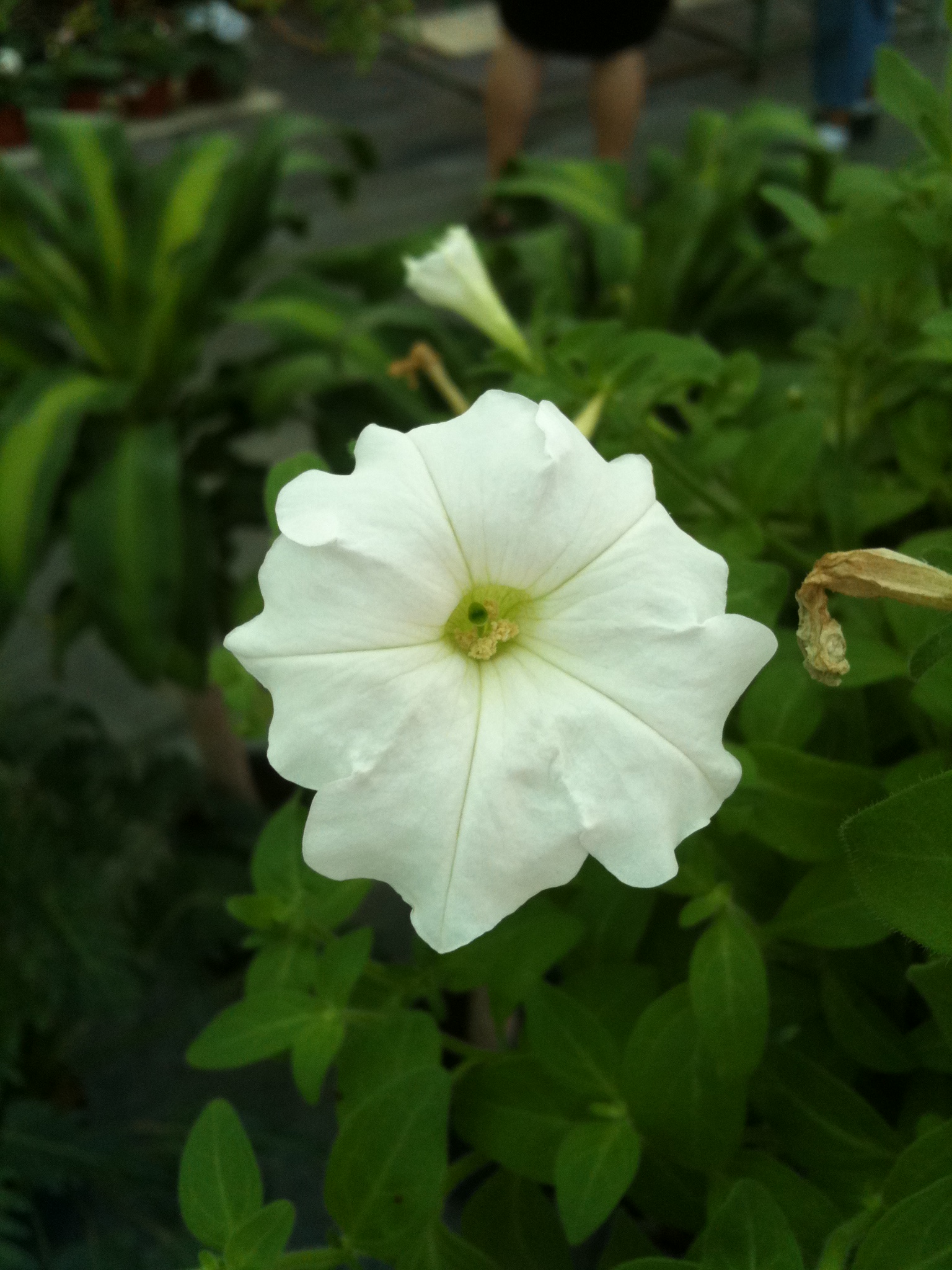
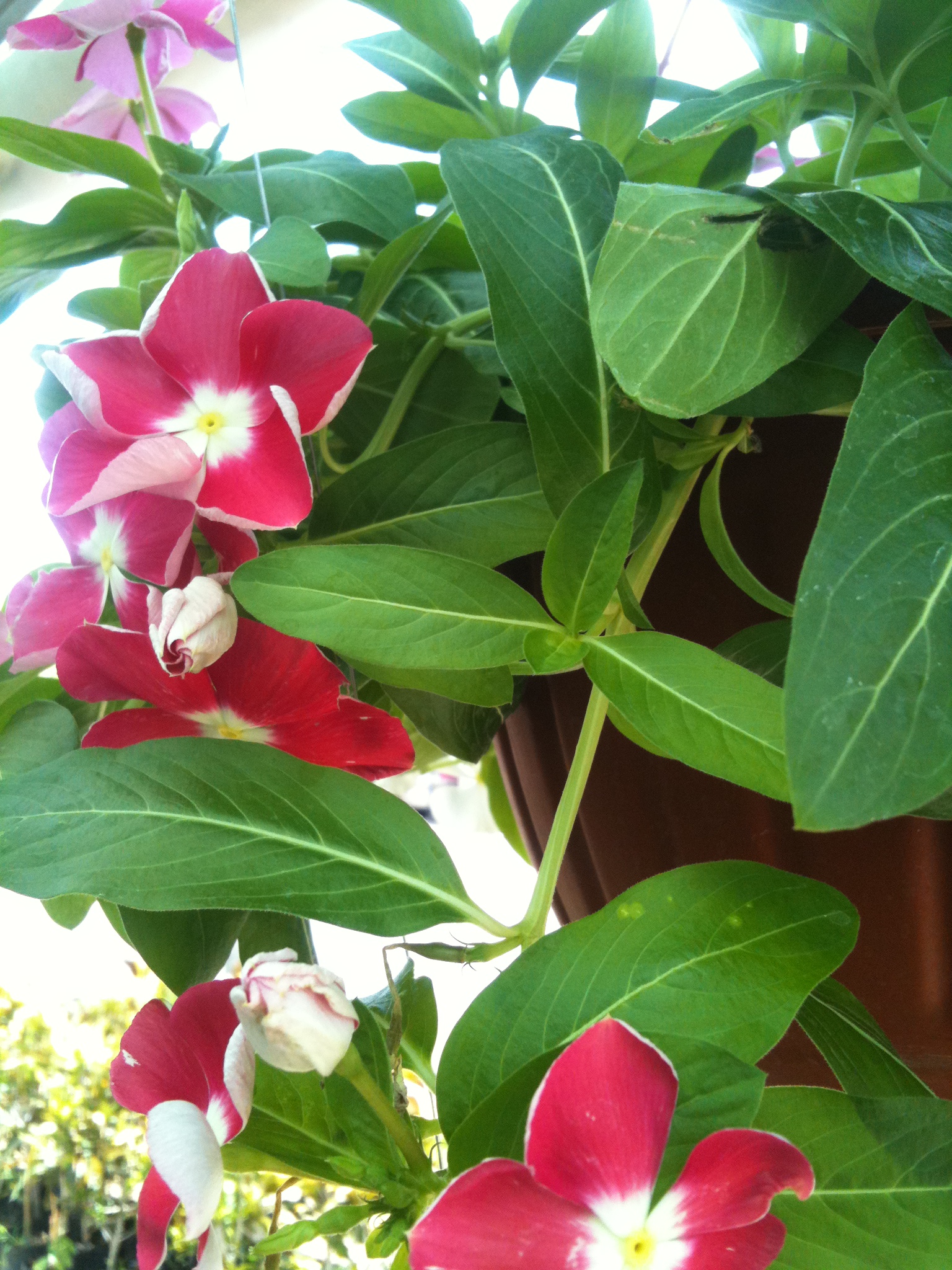
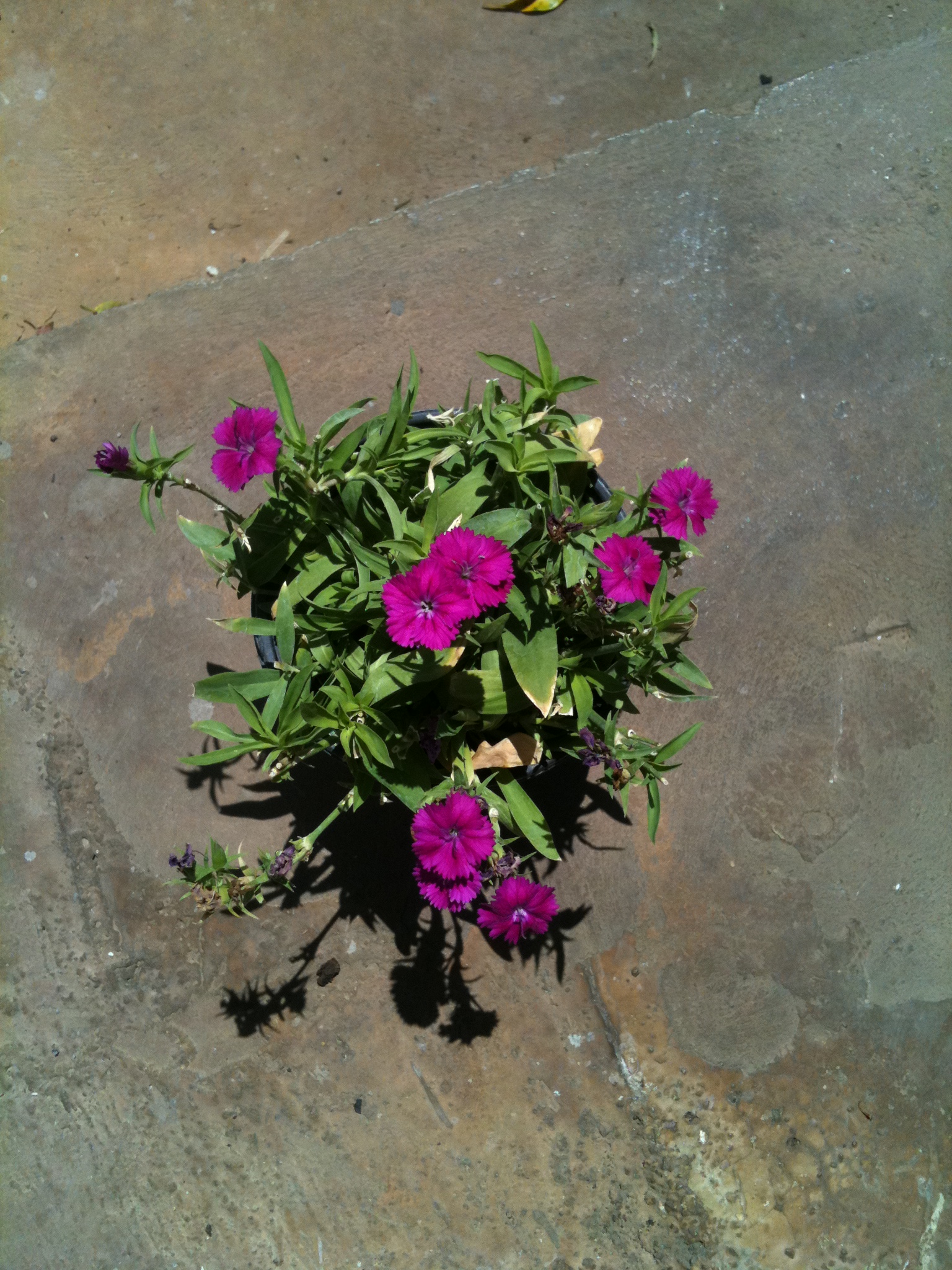
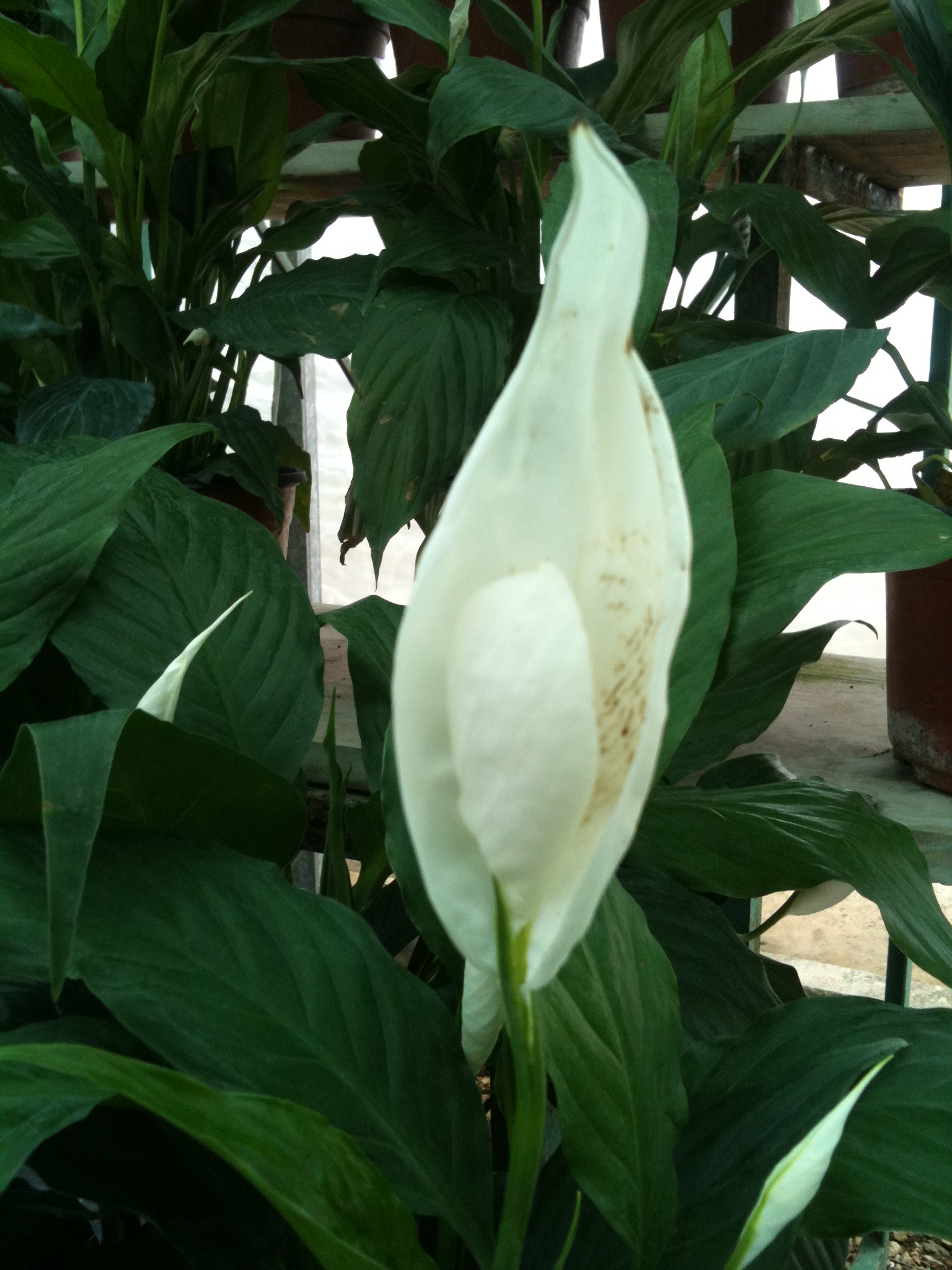
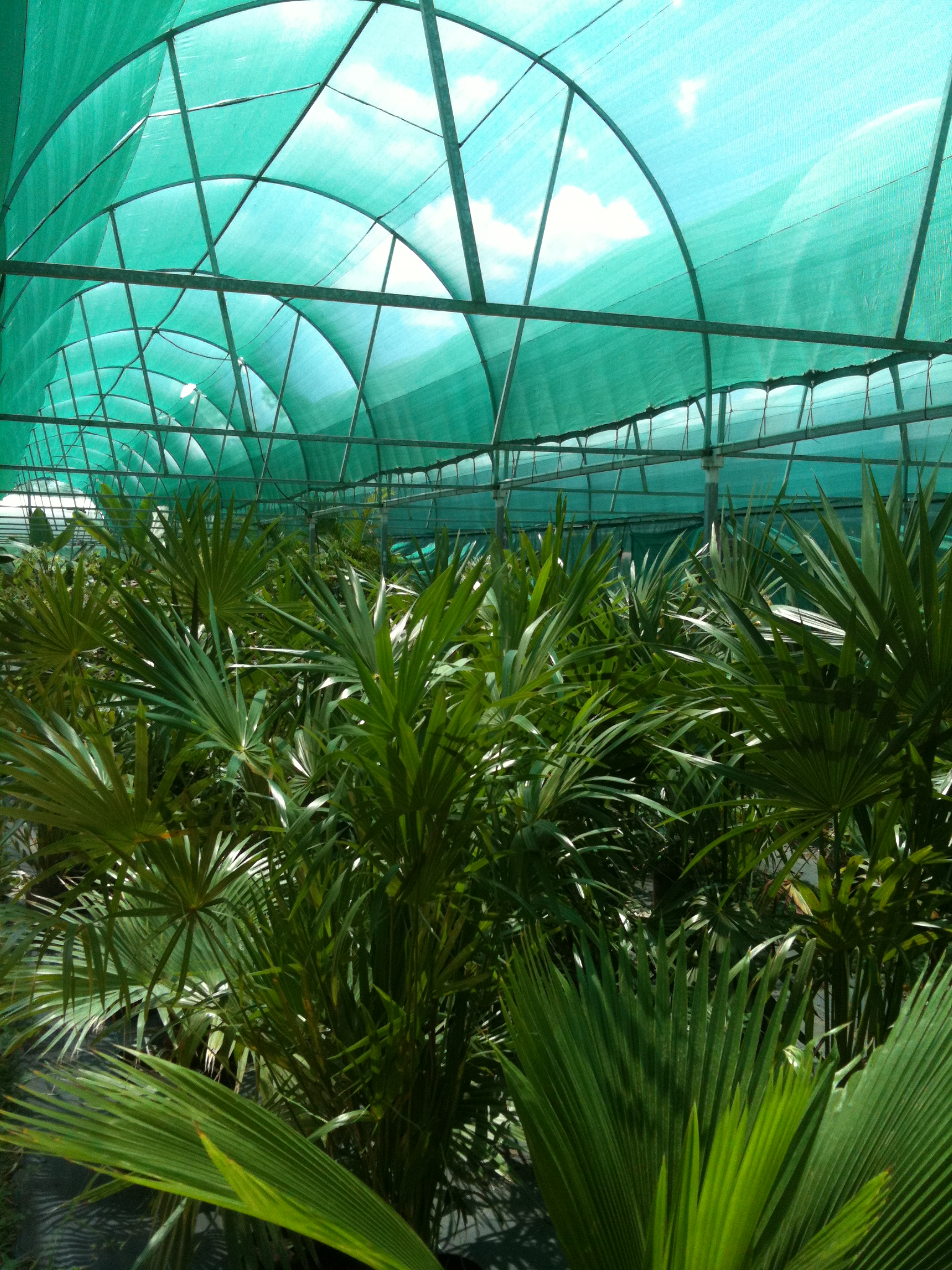
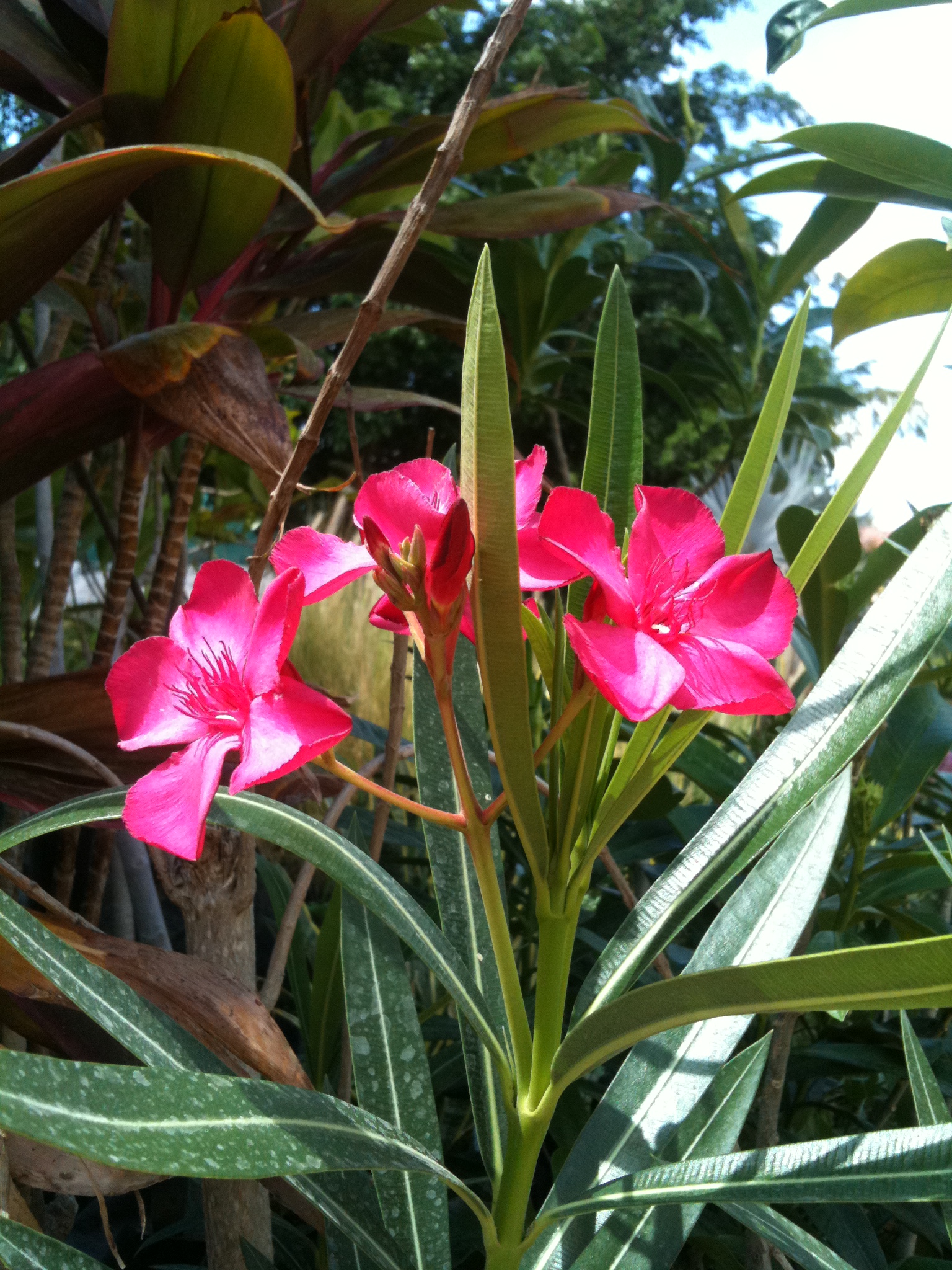
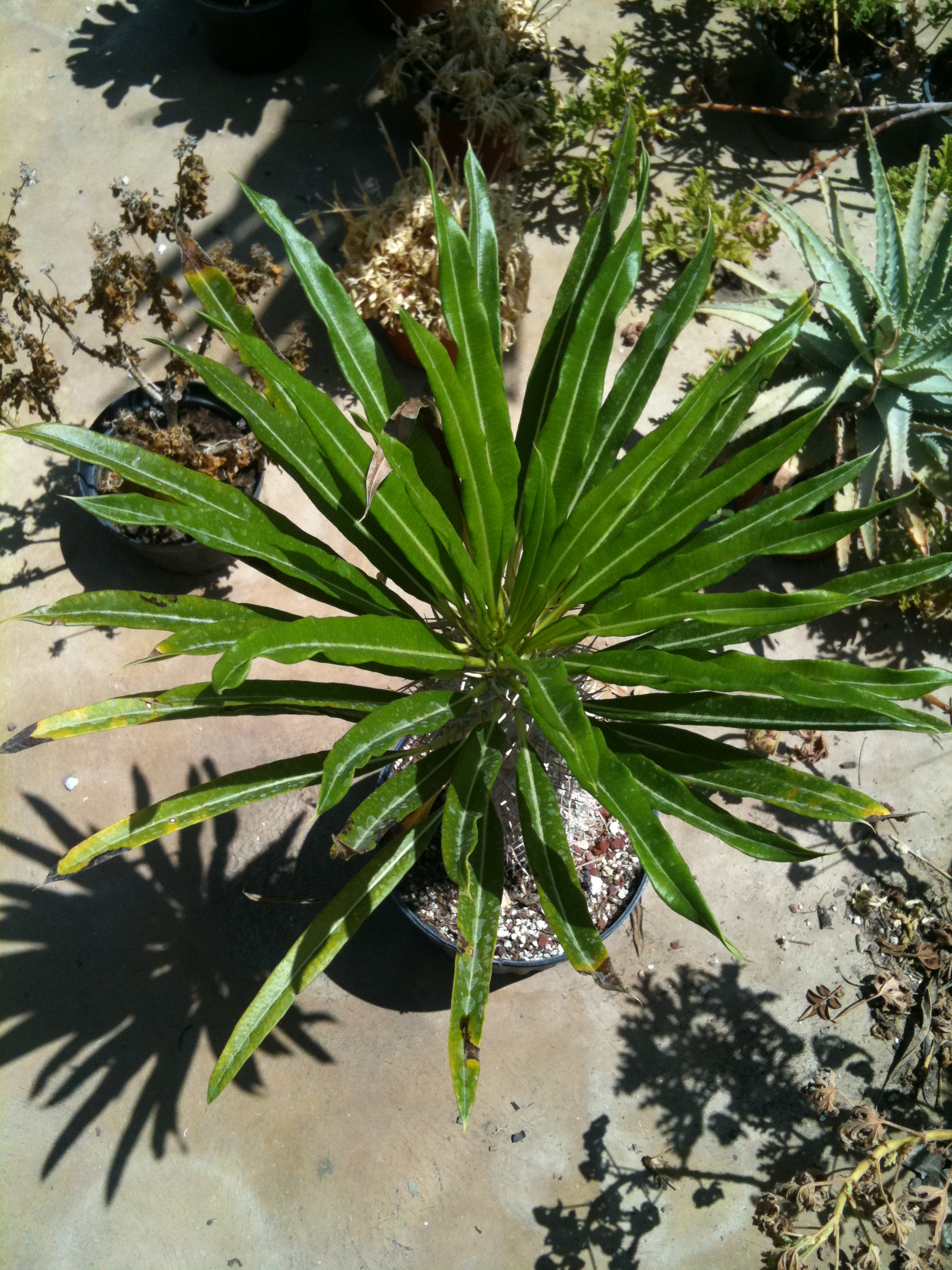
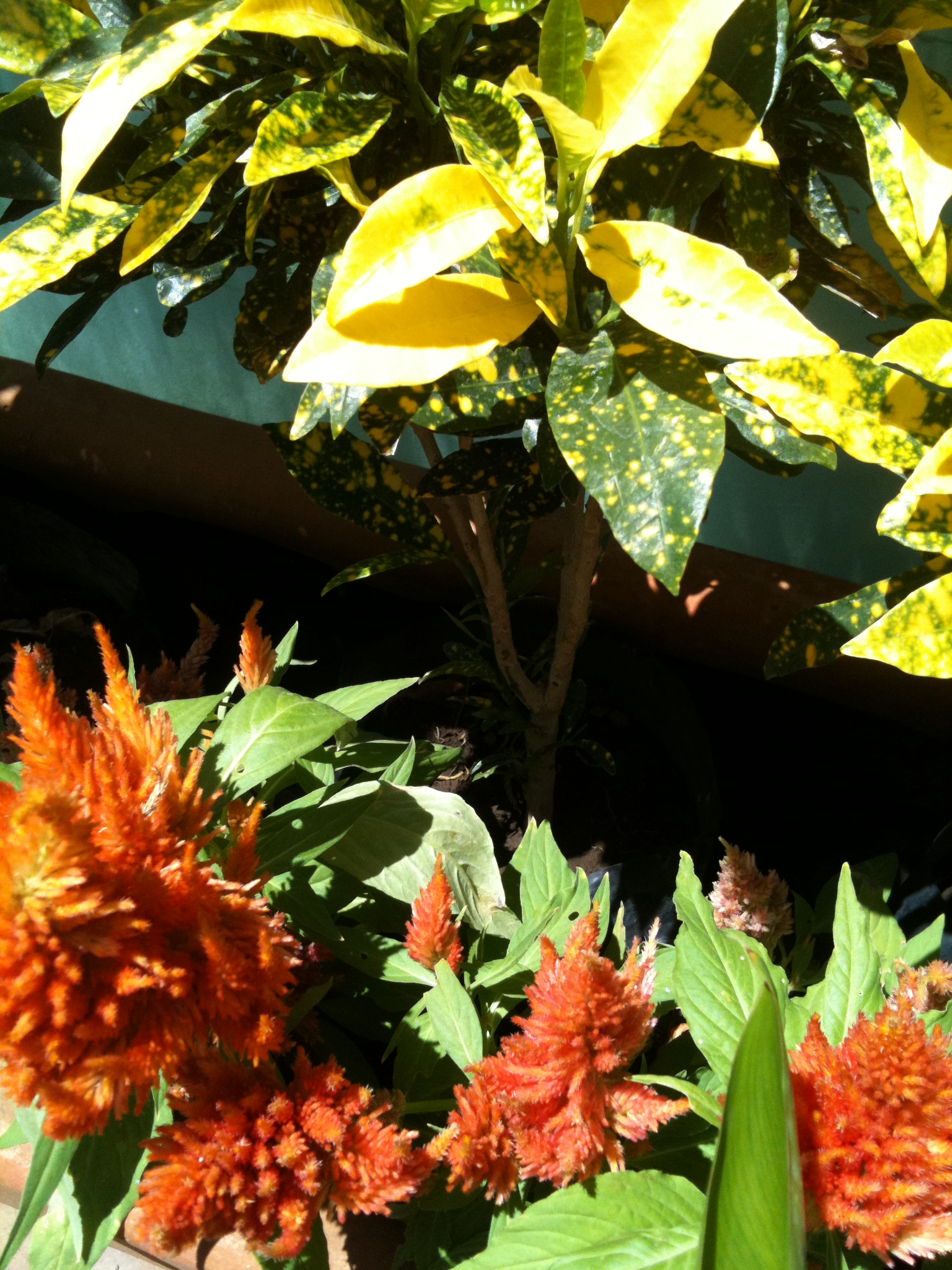
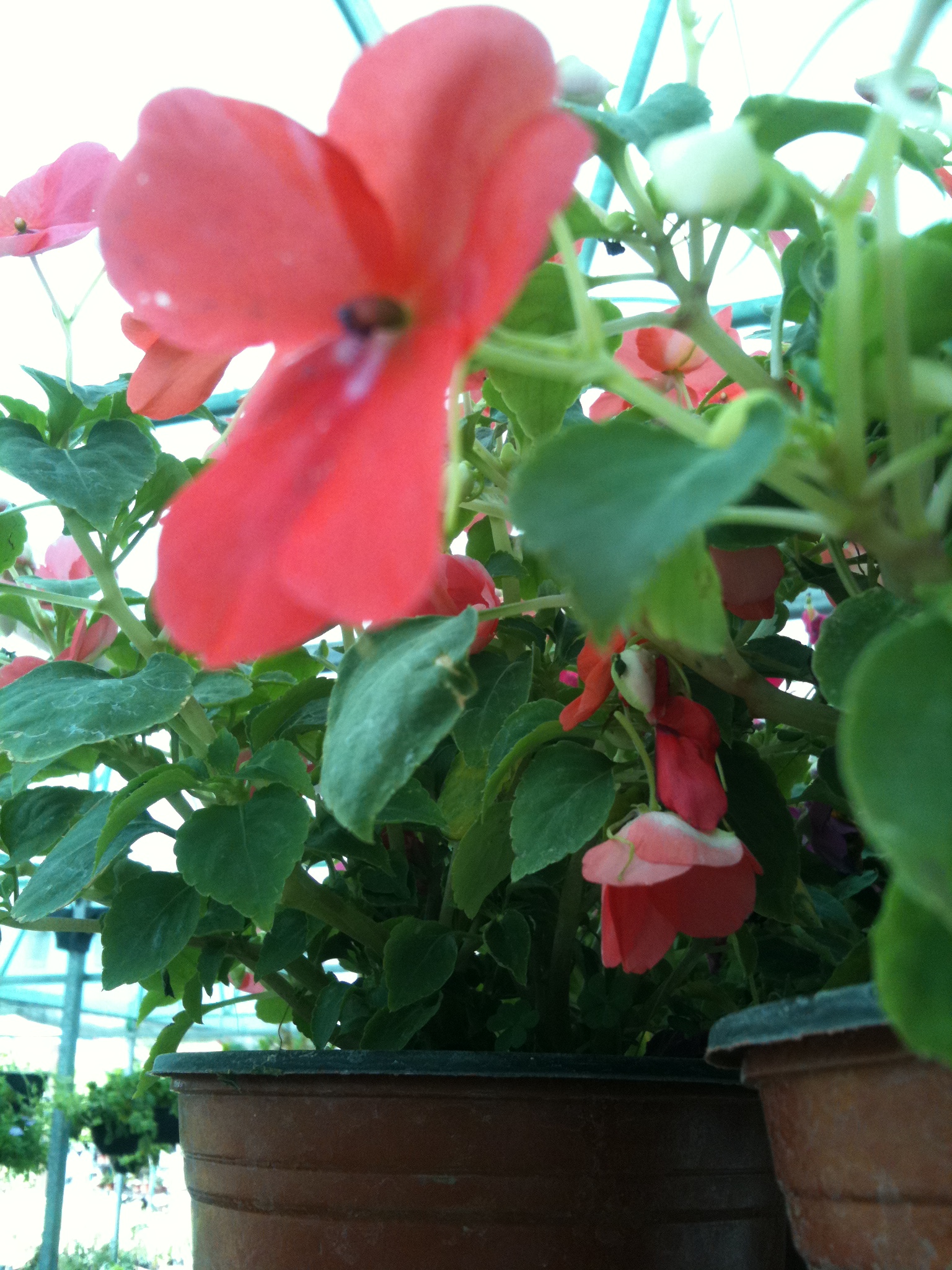
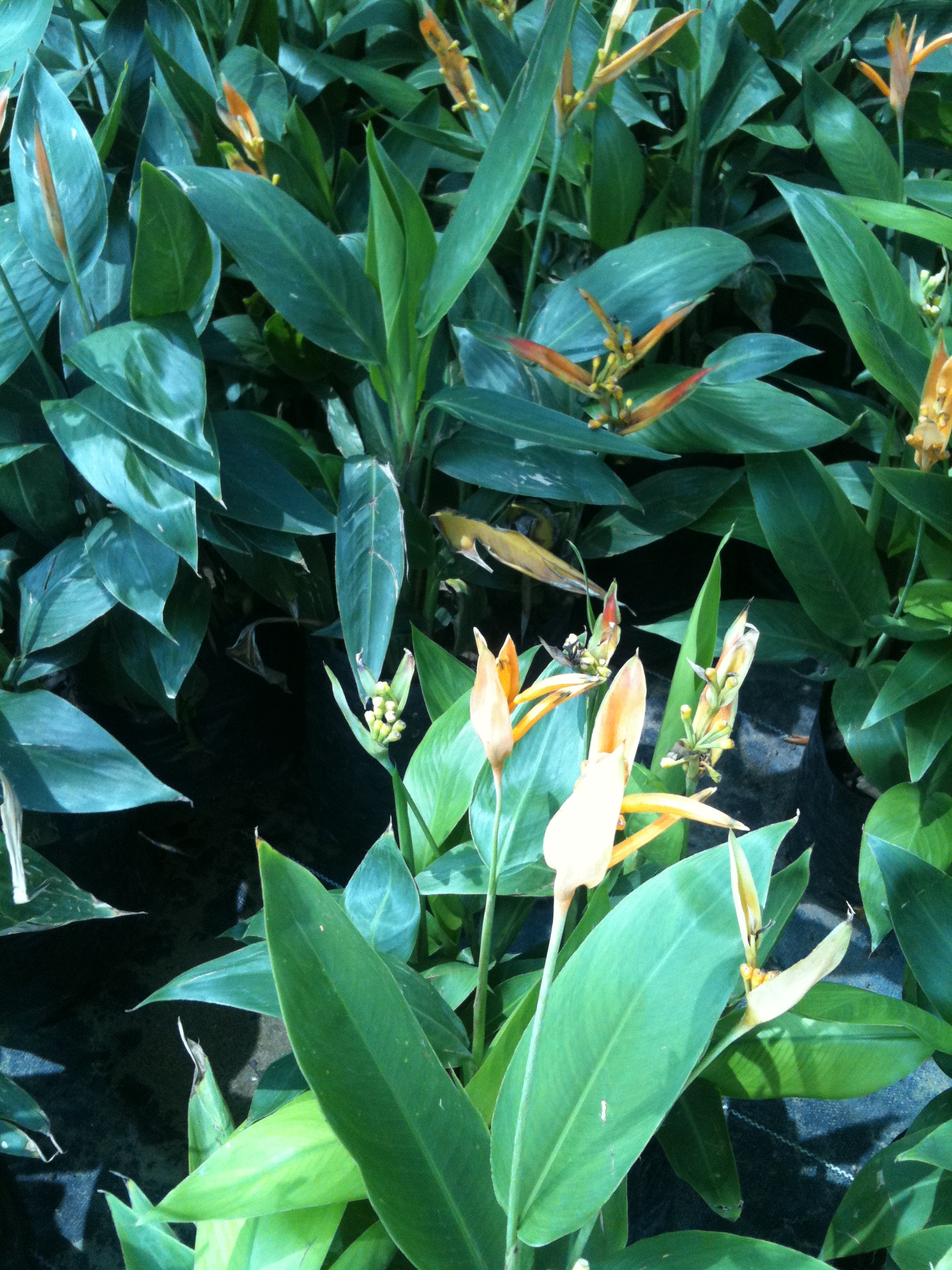
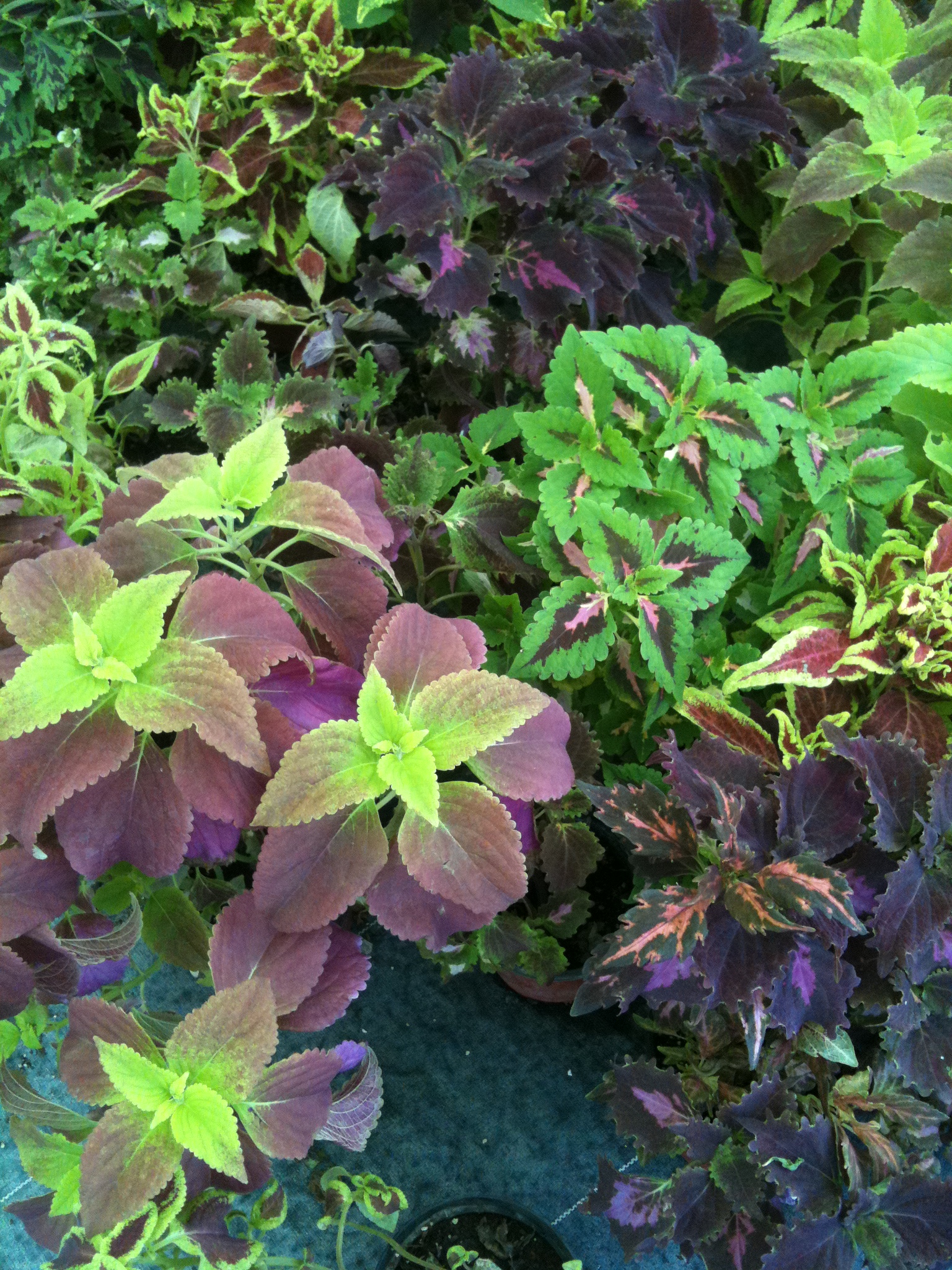
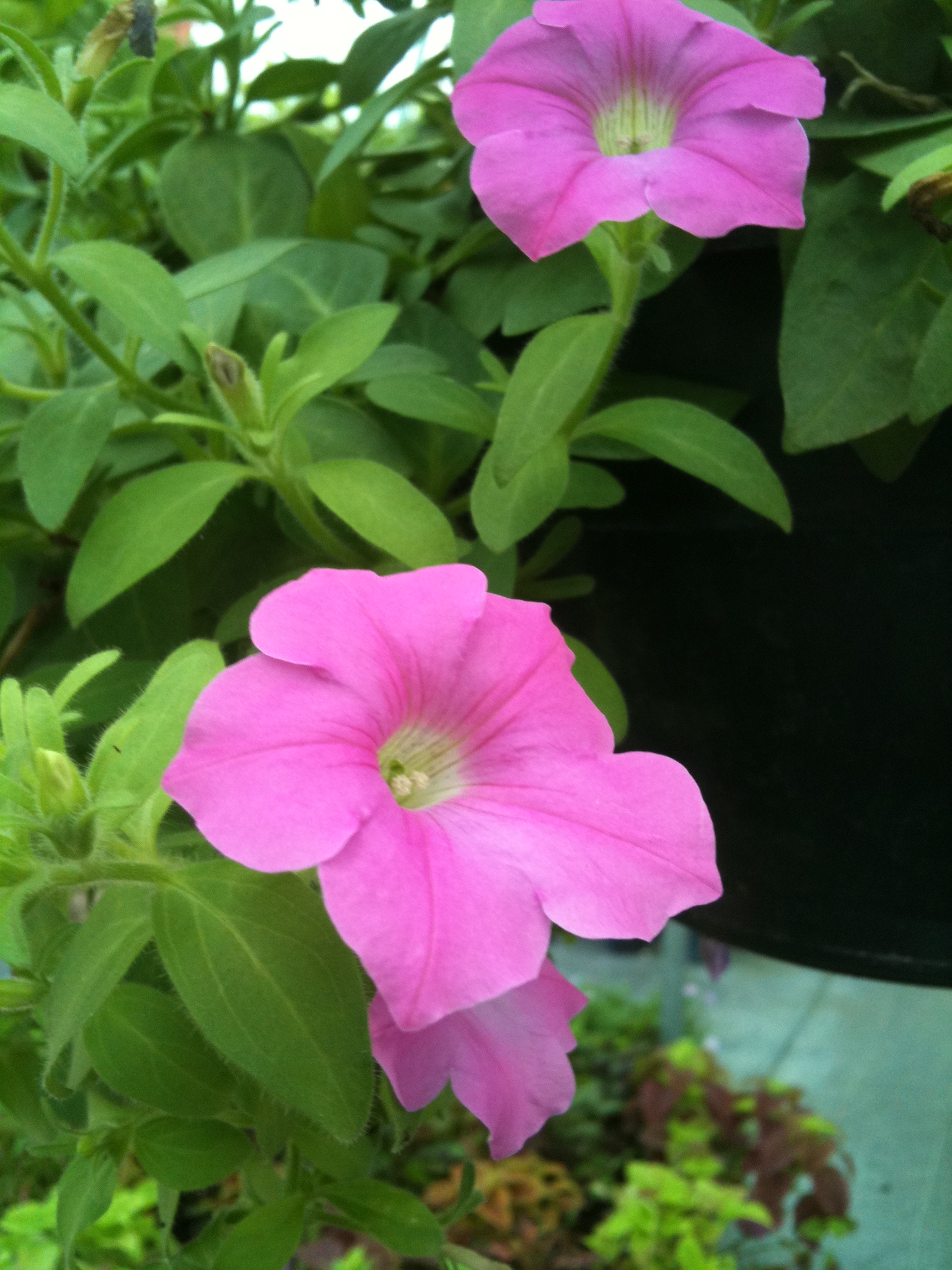
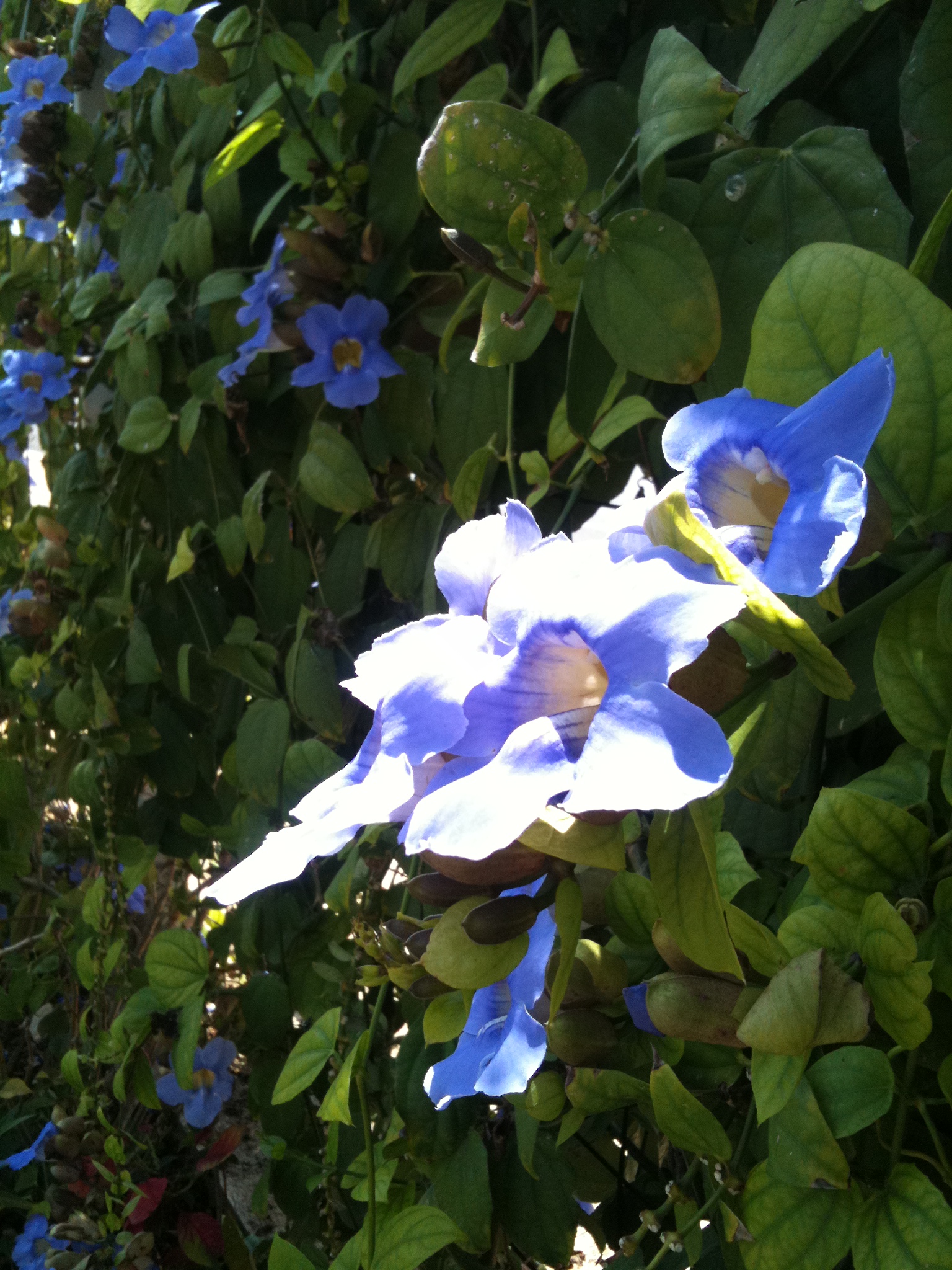
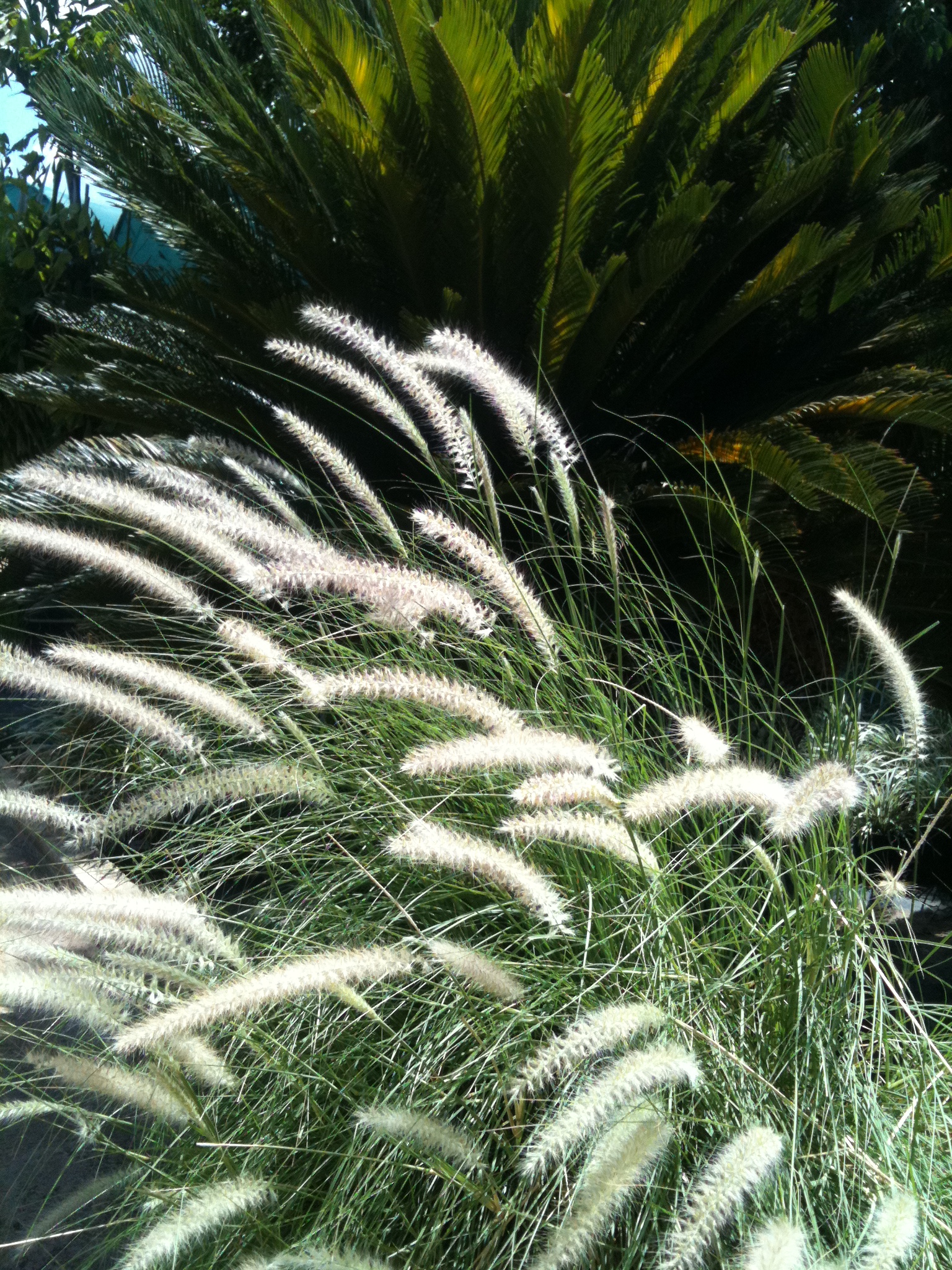
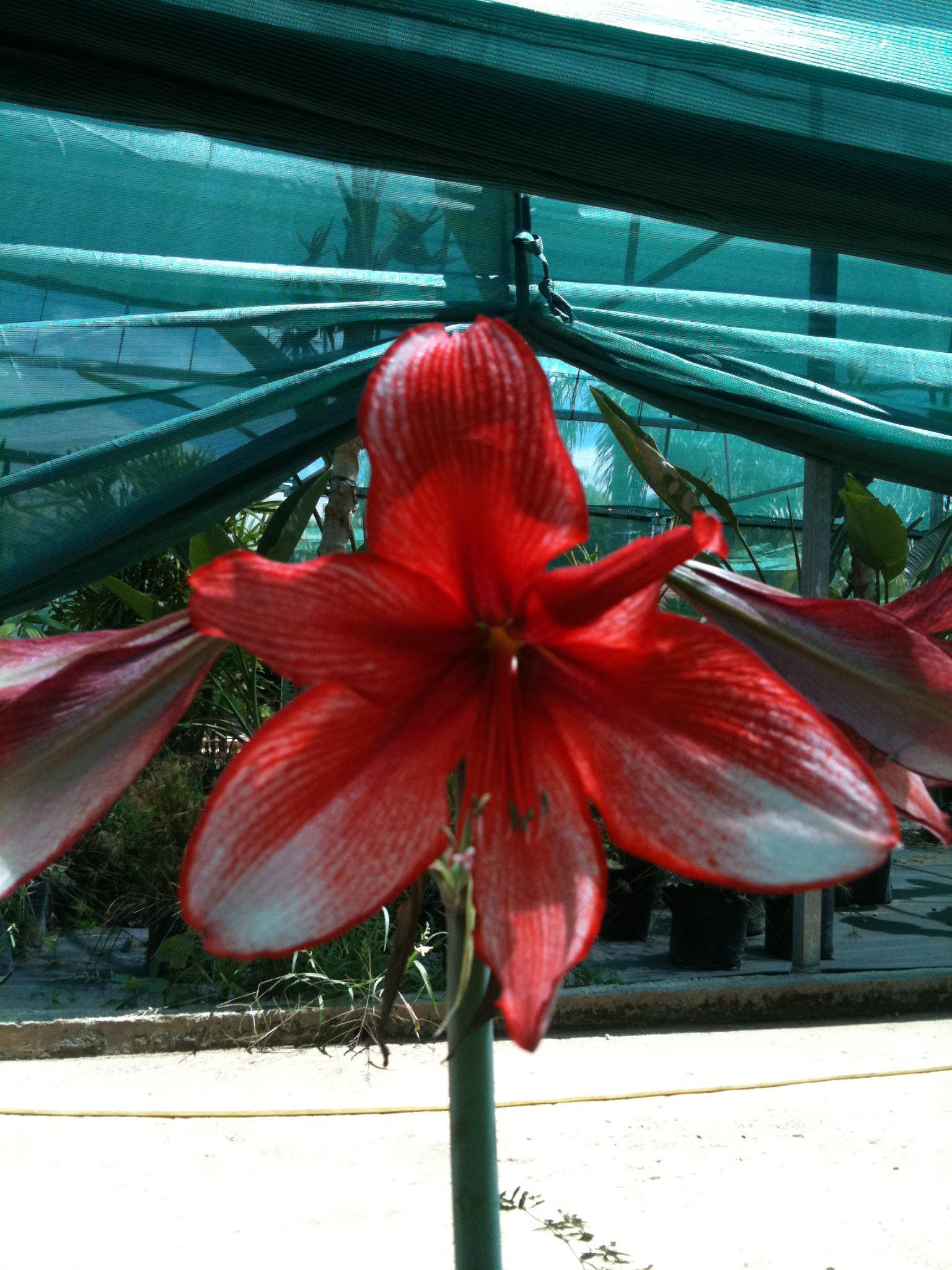
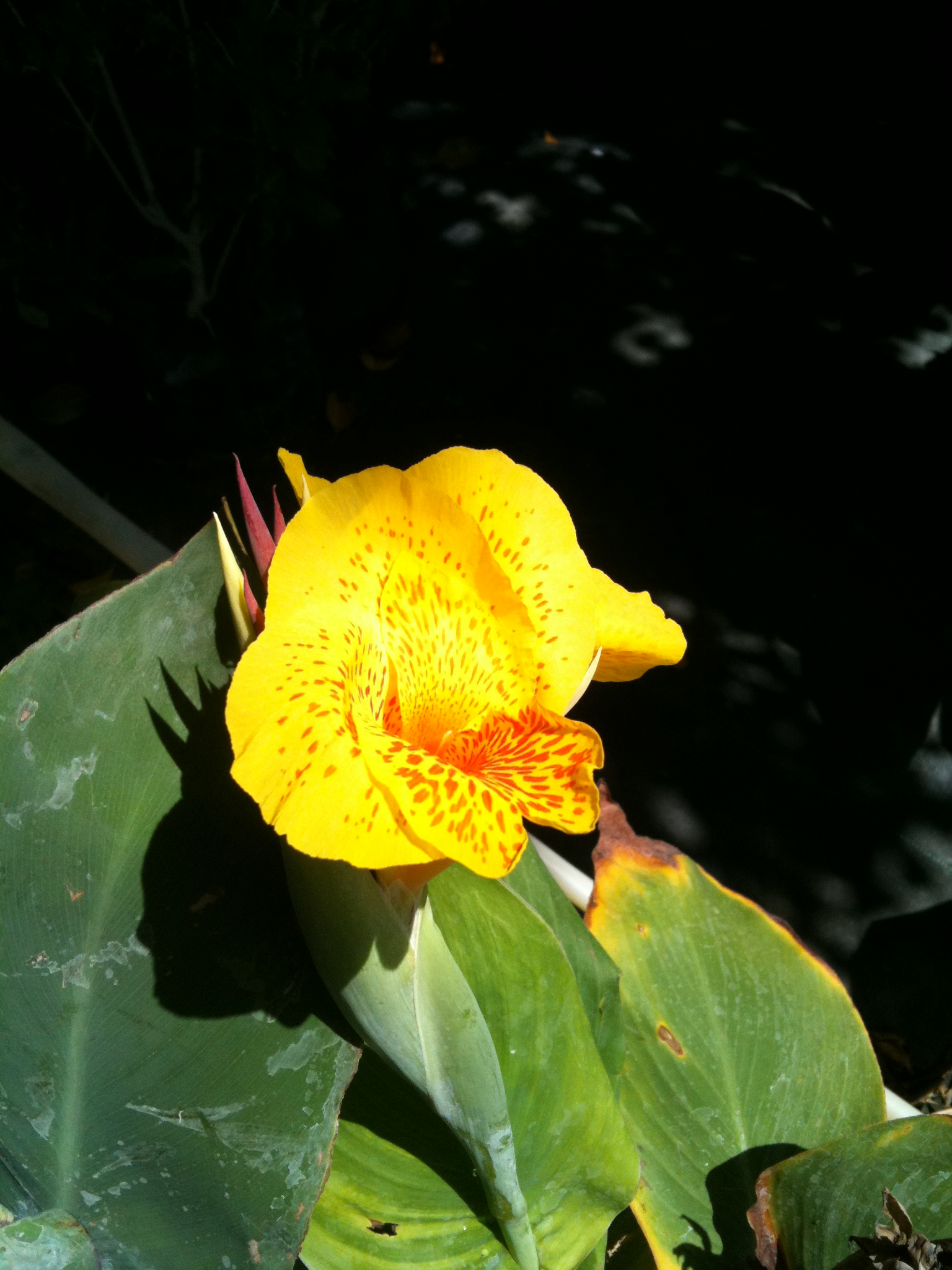
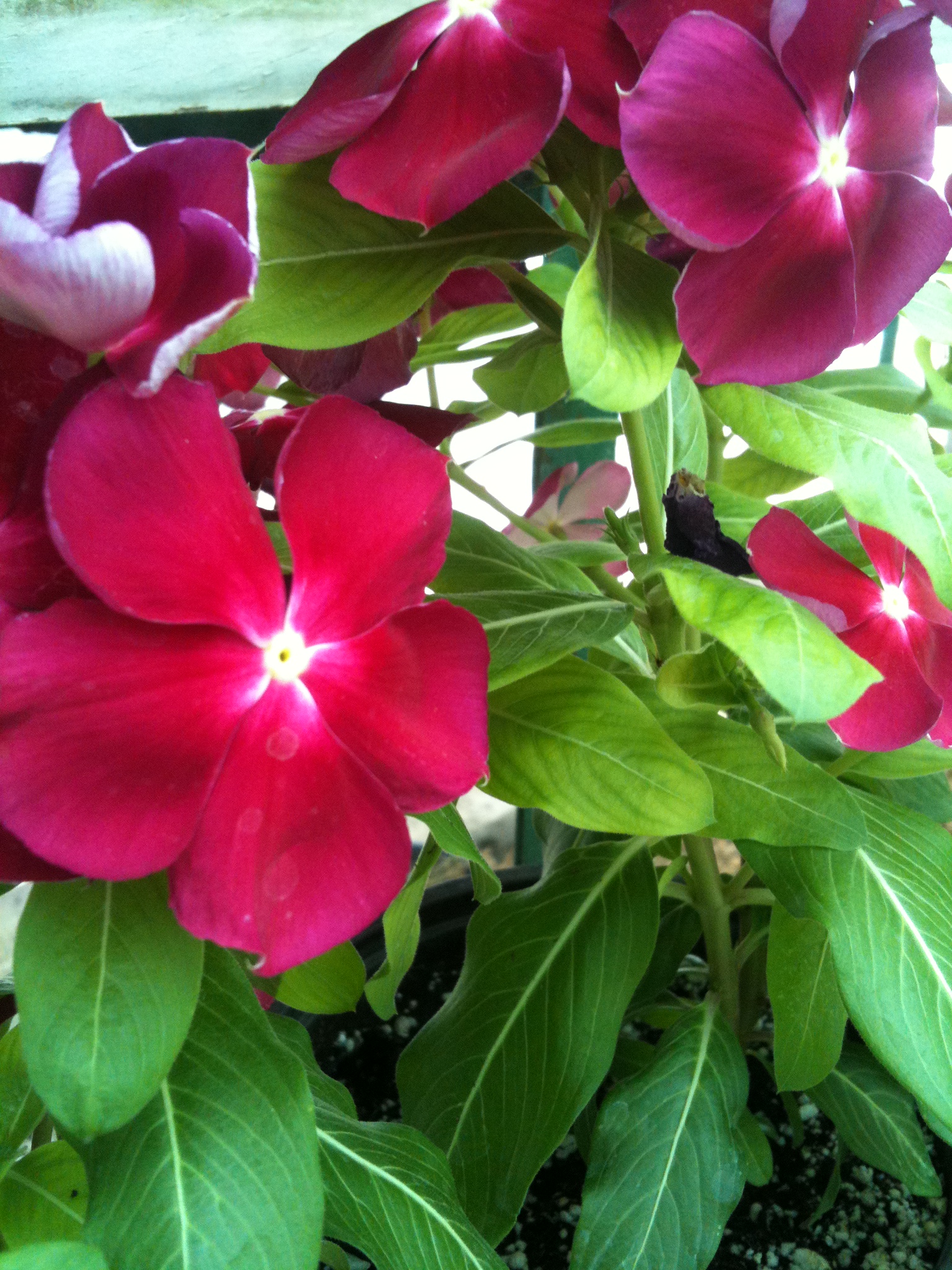
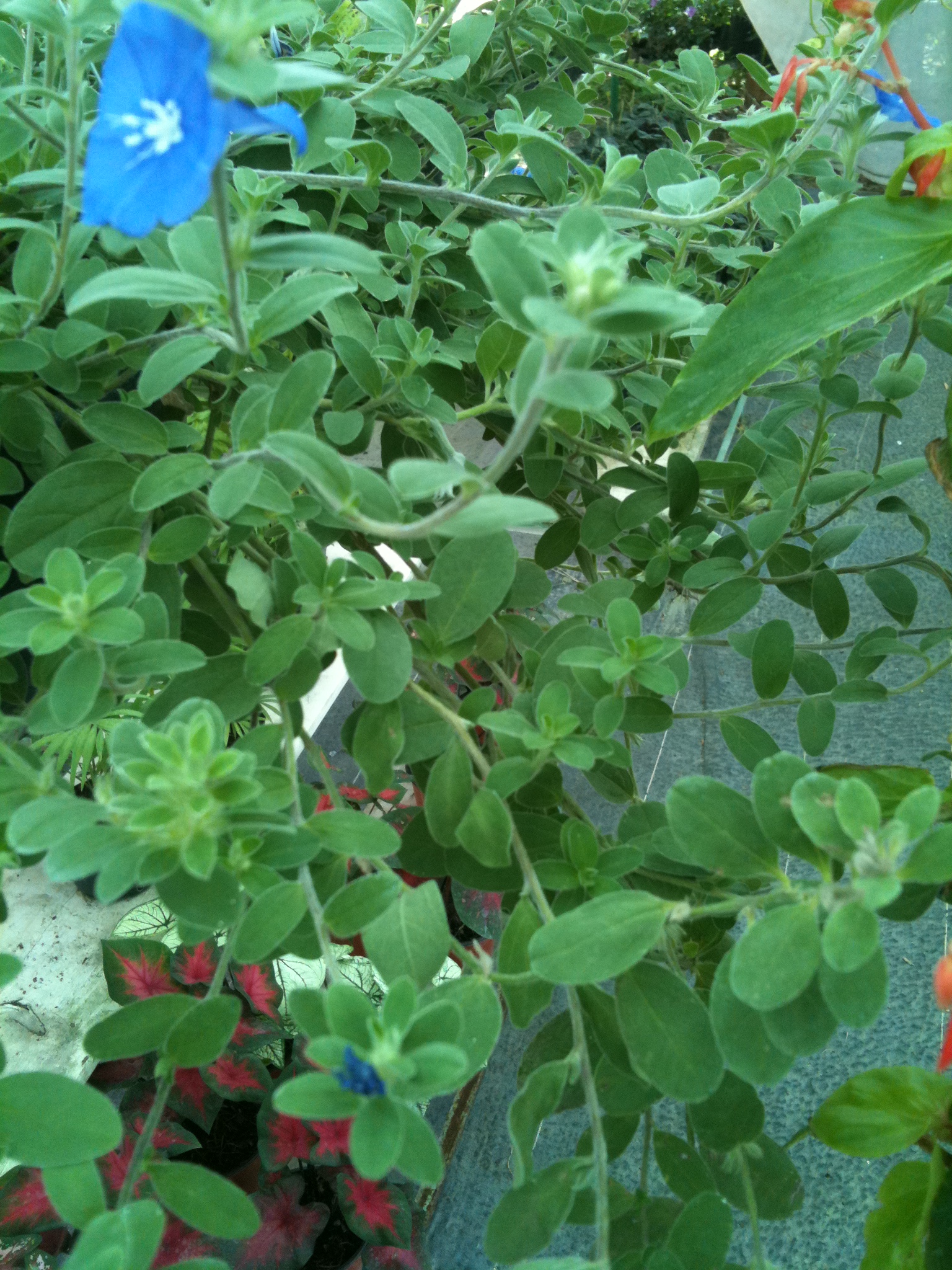
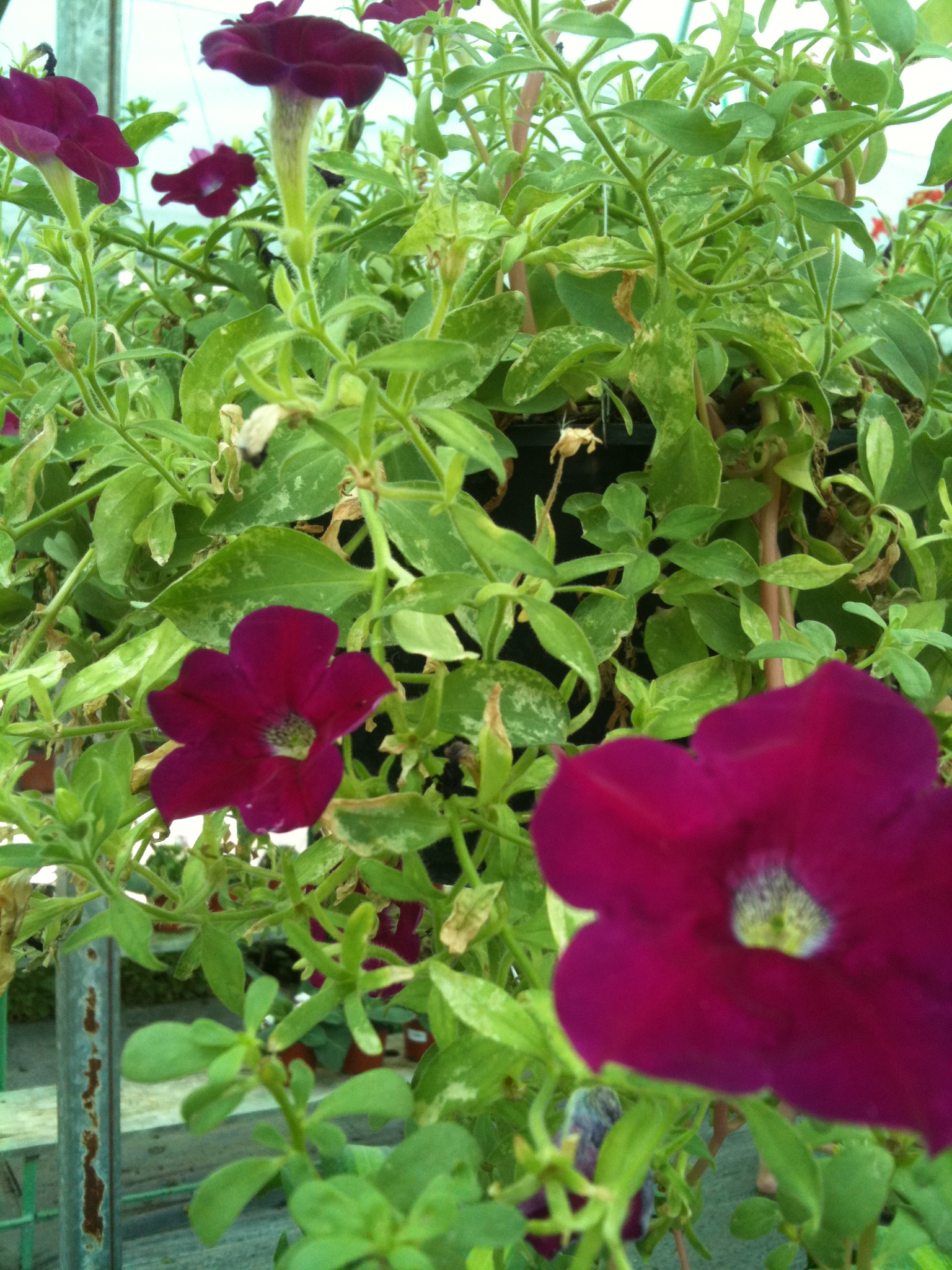
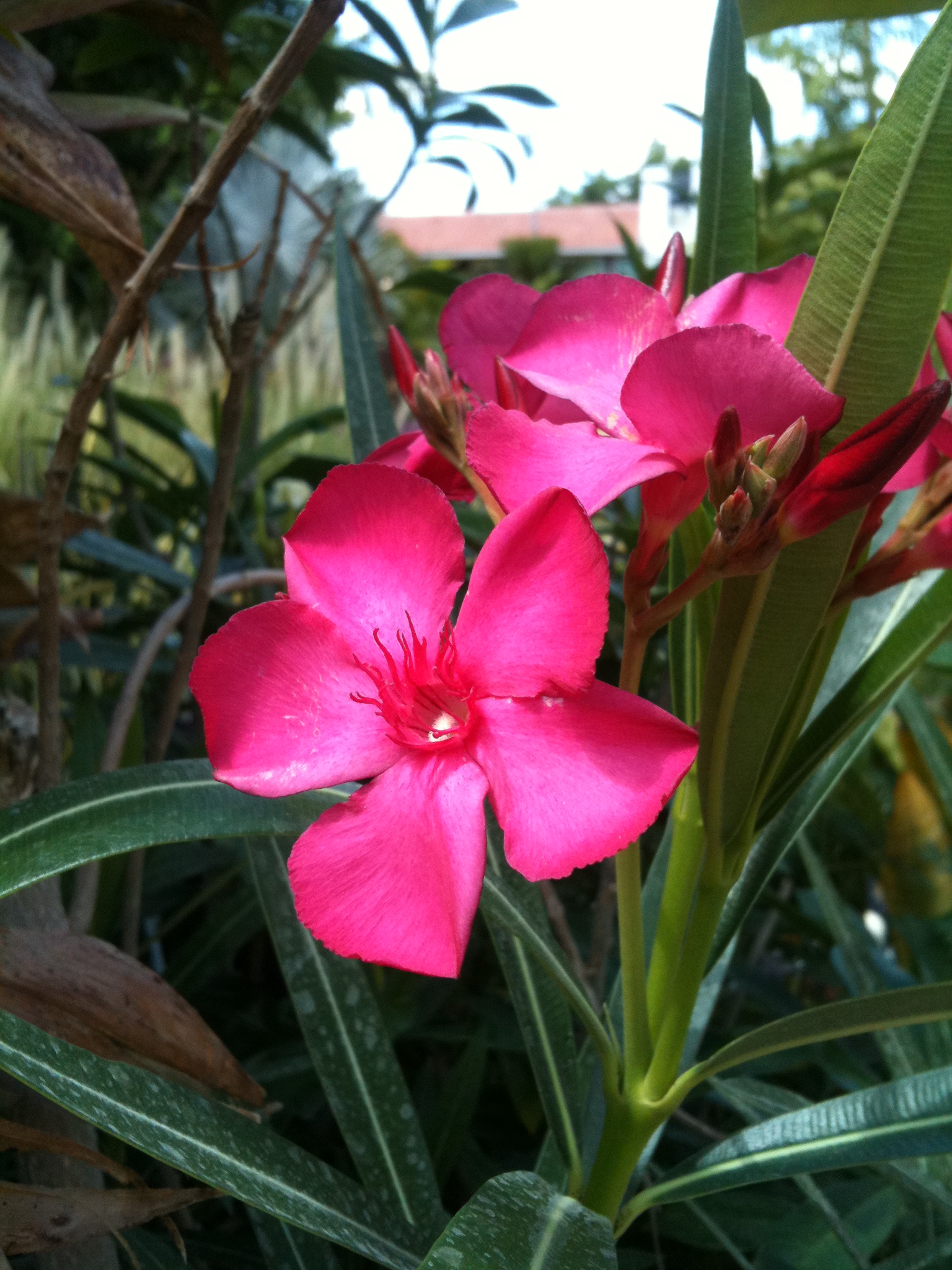
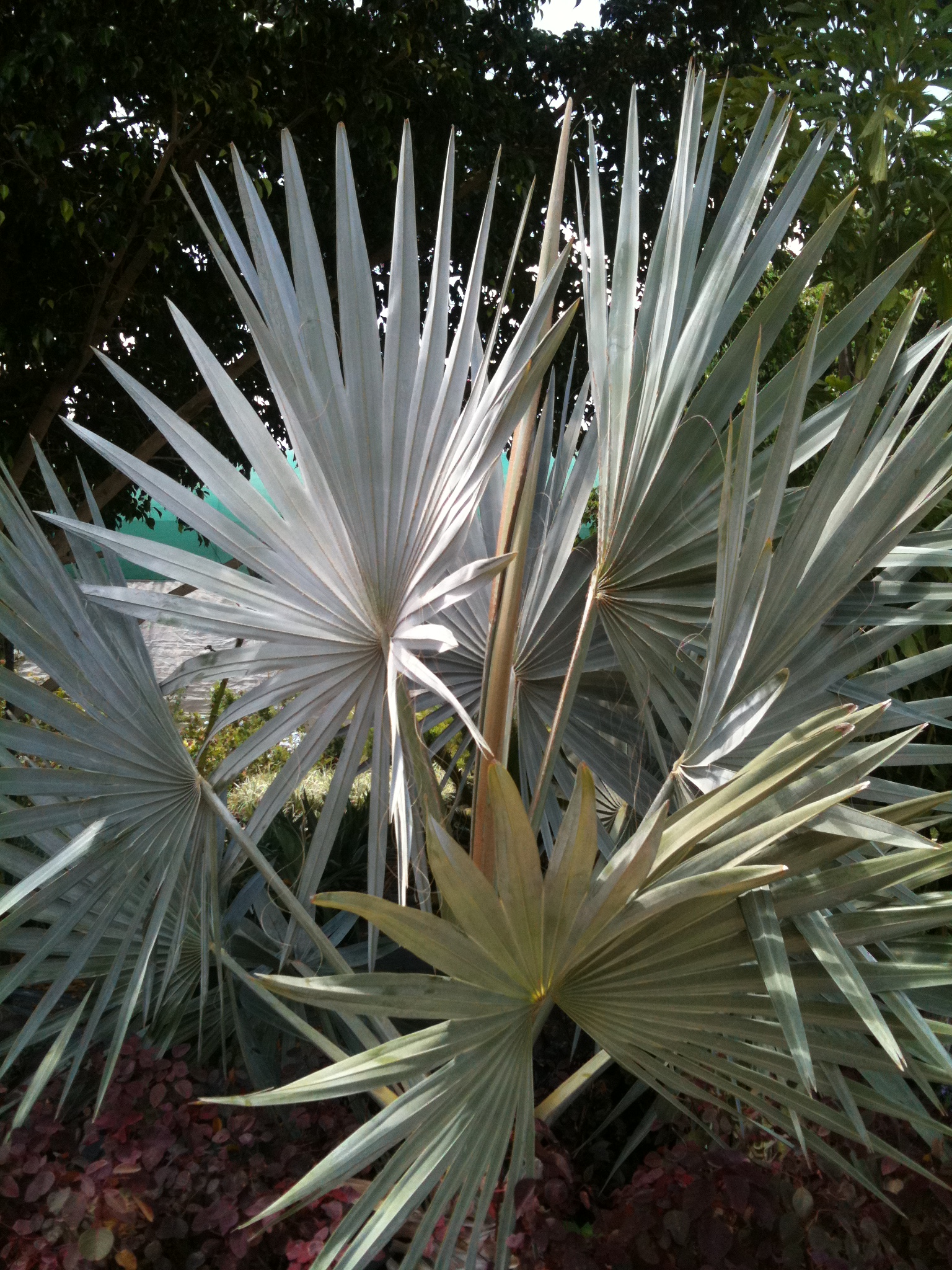
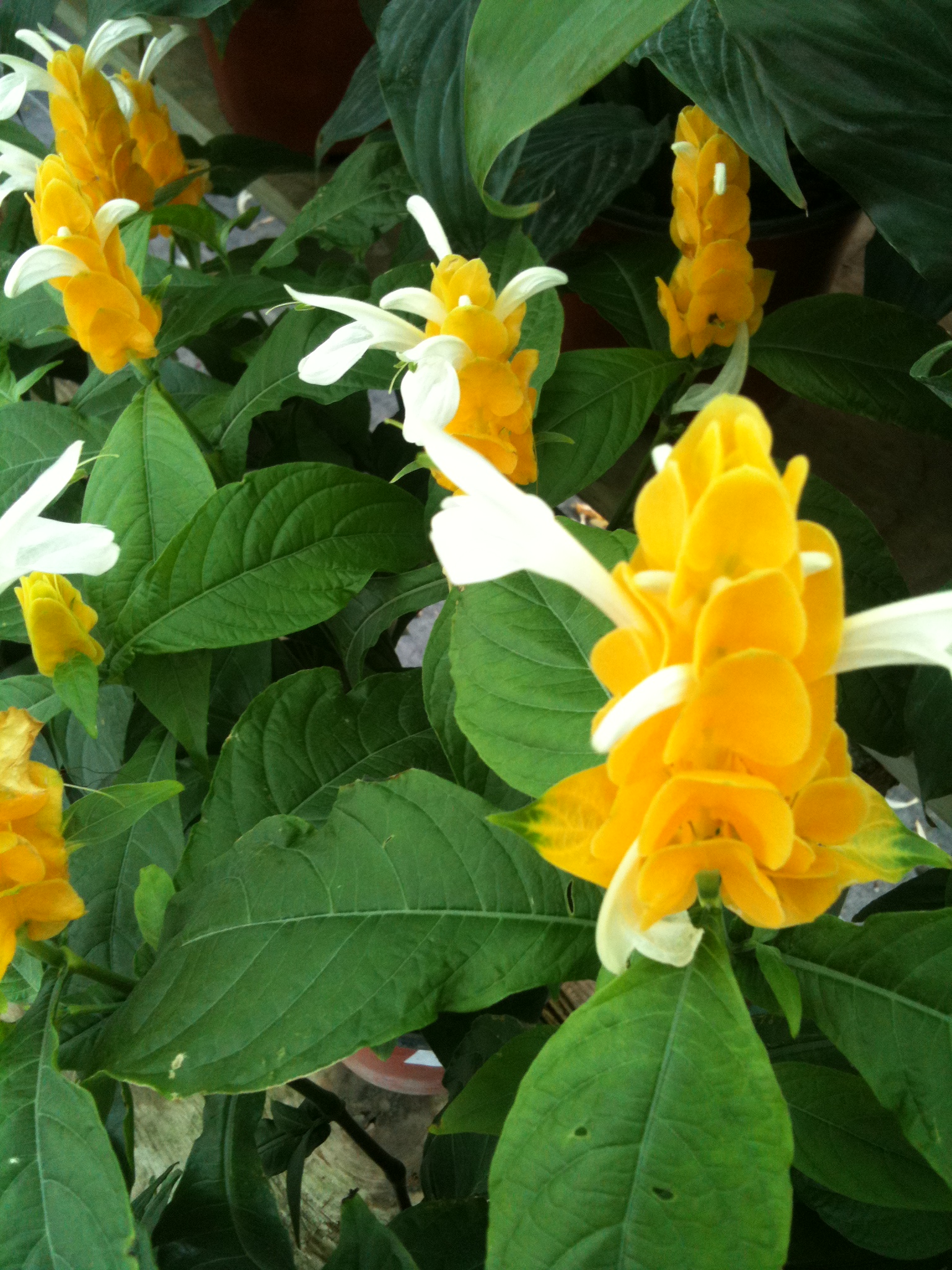
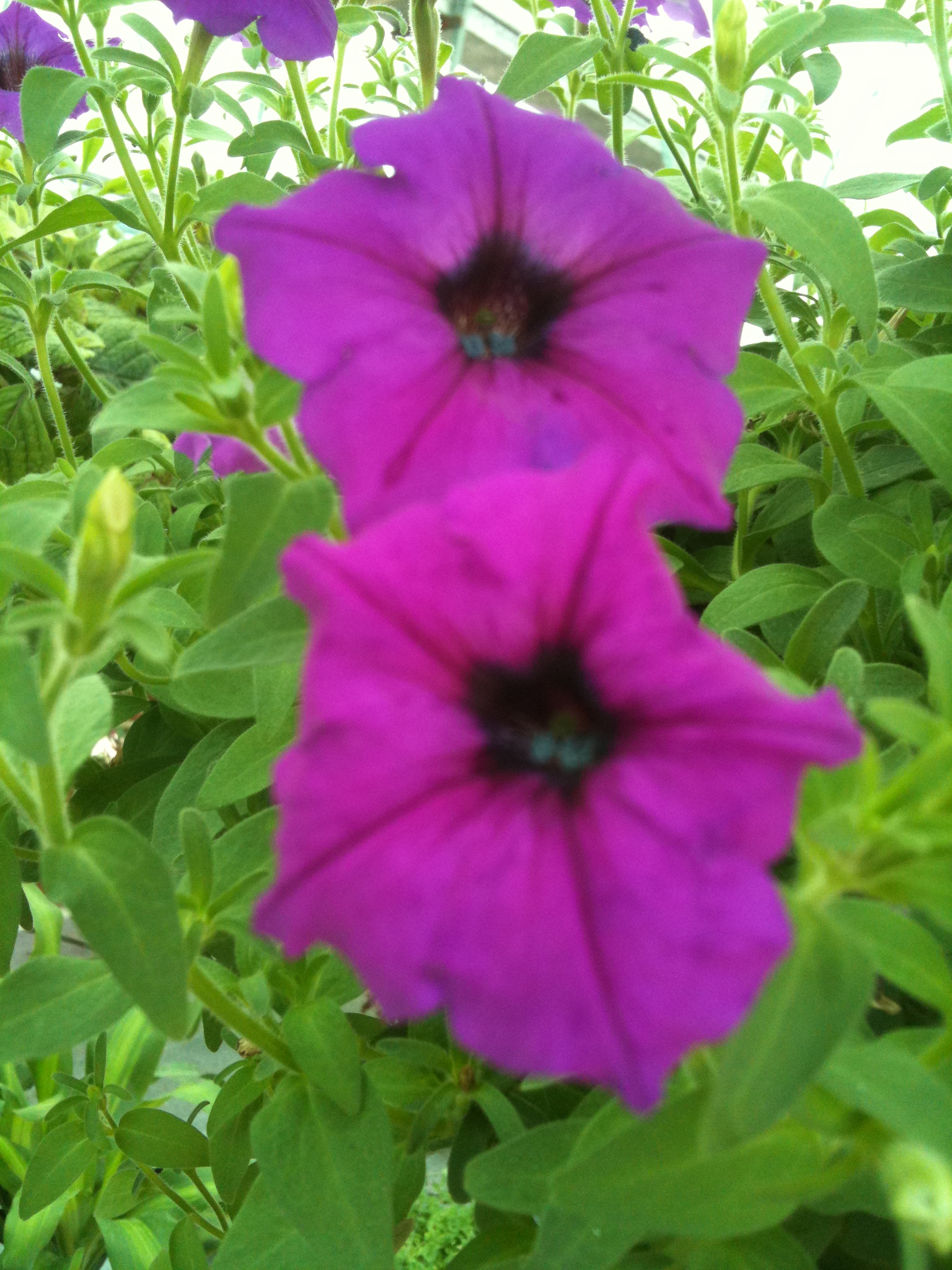
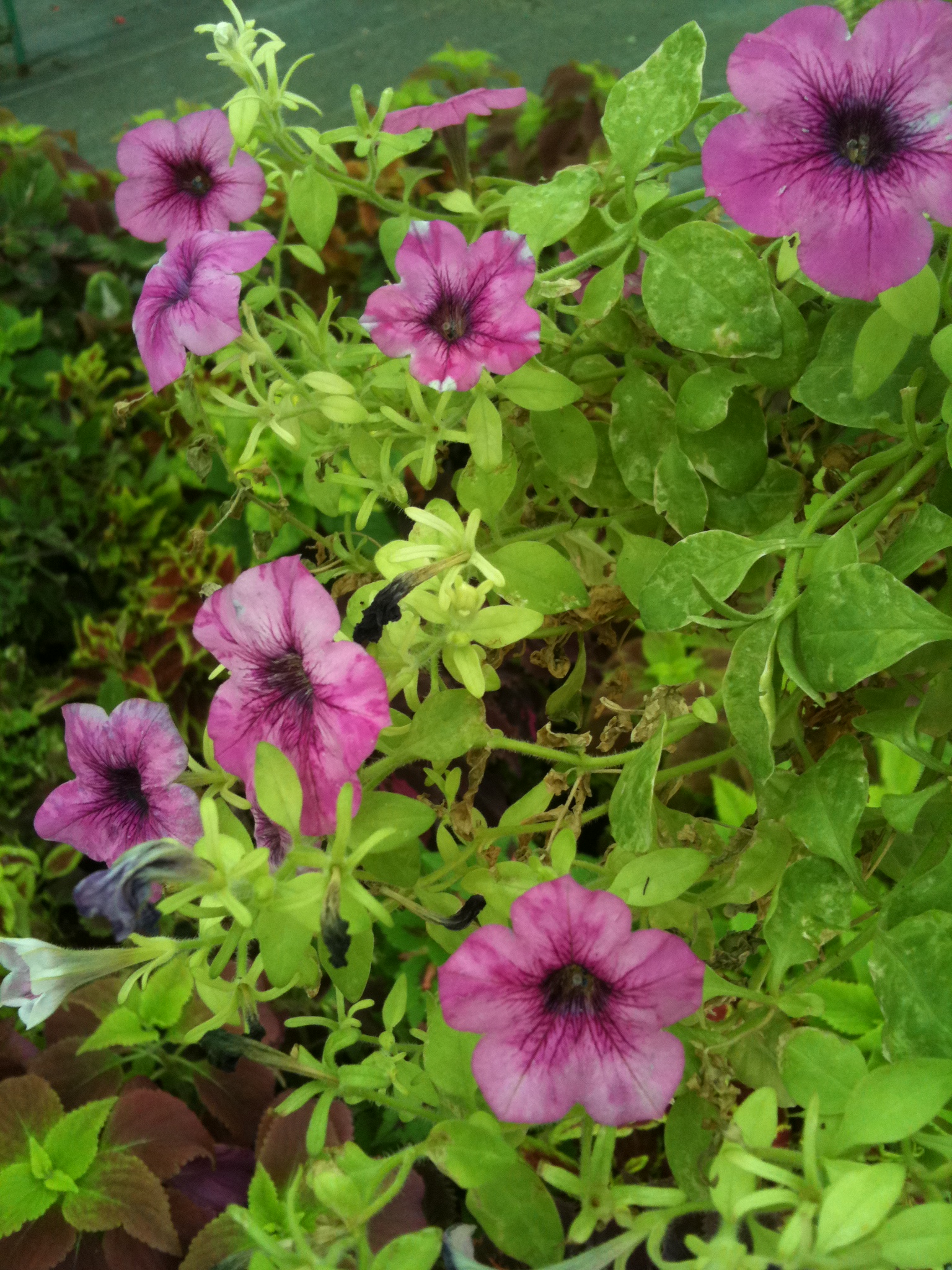
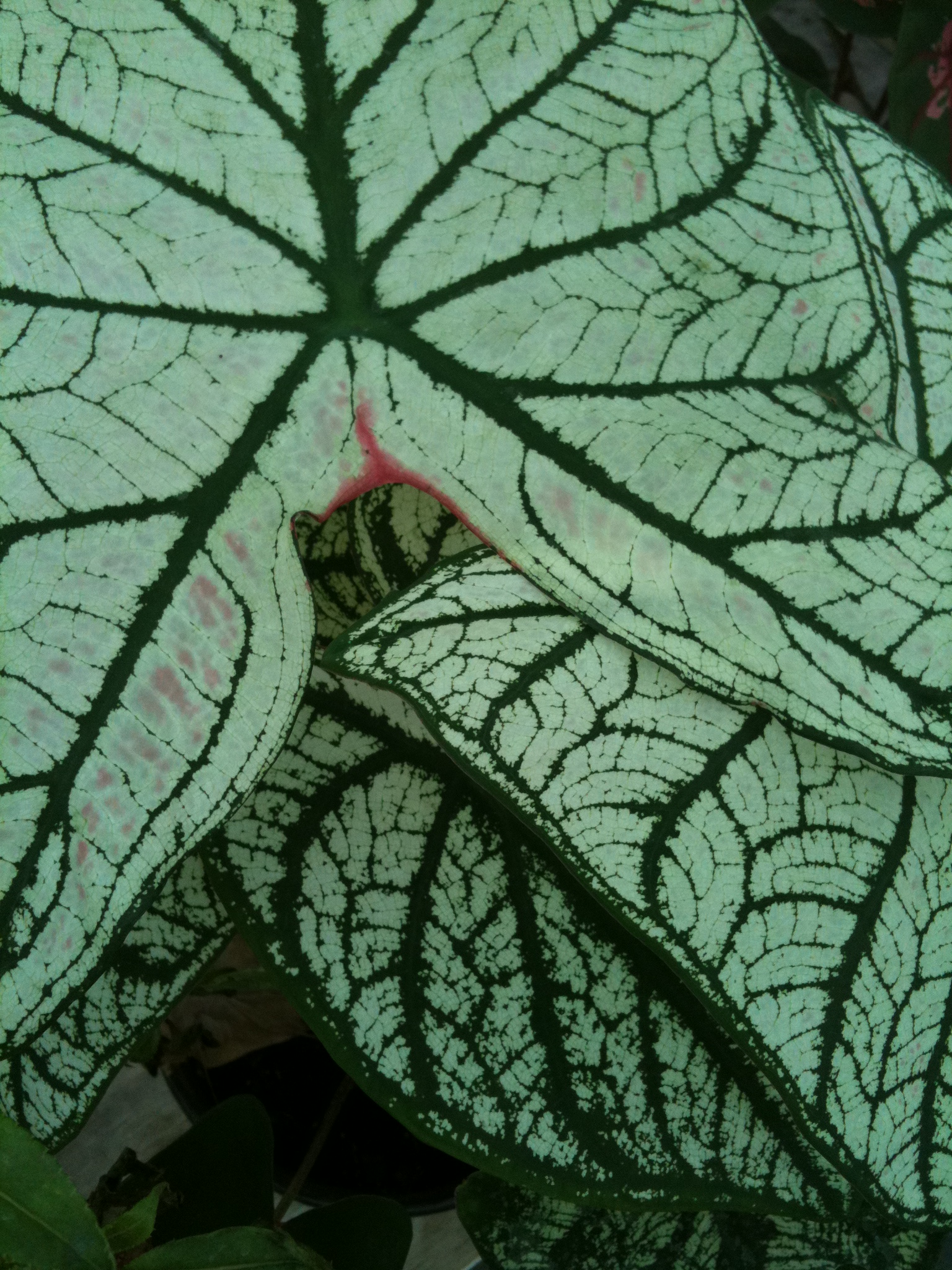
One activity I enjoy here in the Yucatan is a visit to the local nursery; not the ones with the screaming babies but the ones with the plants, flowers and trees. I have always thought that it would be fantastic to have a nursery on each block (or every two blocks, like an OXXO) to provide a shady, oxygen producing oasis for the surrounding concrete misery that makes up so much of Merida’s new fraccionamientos.

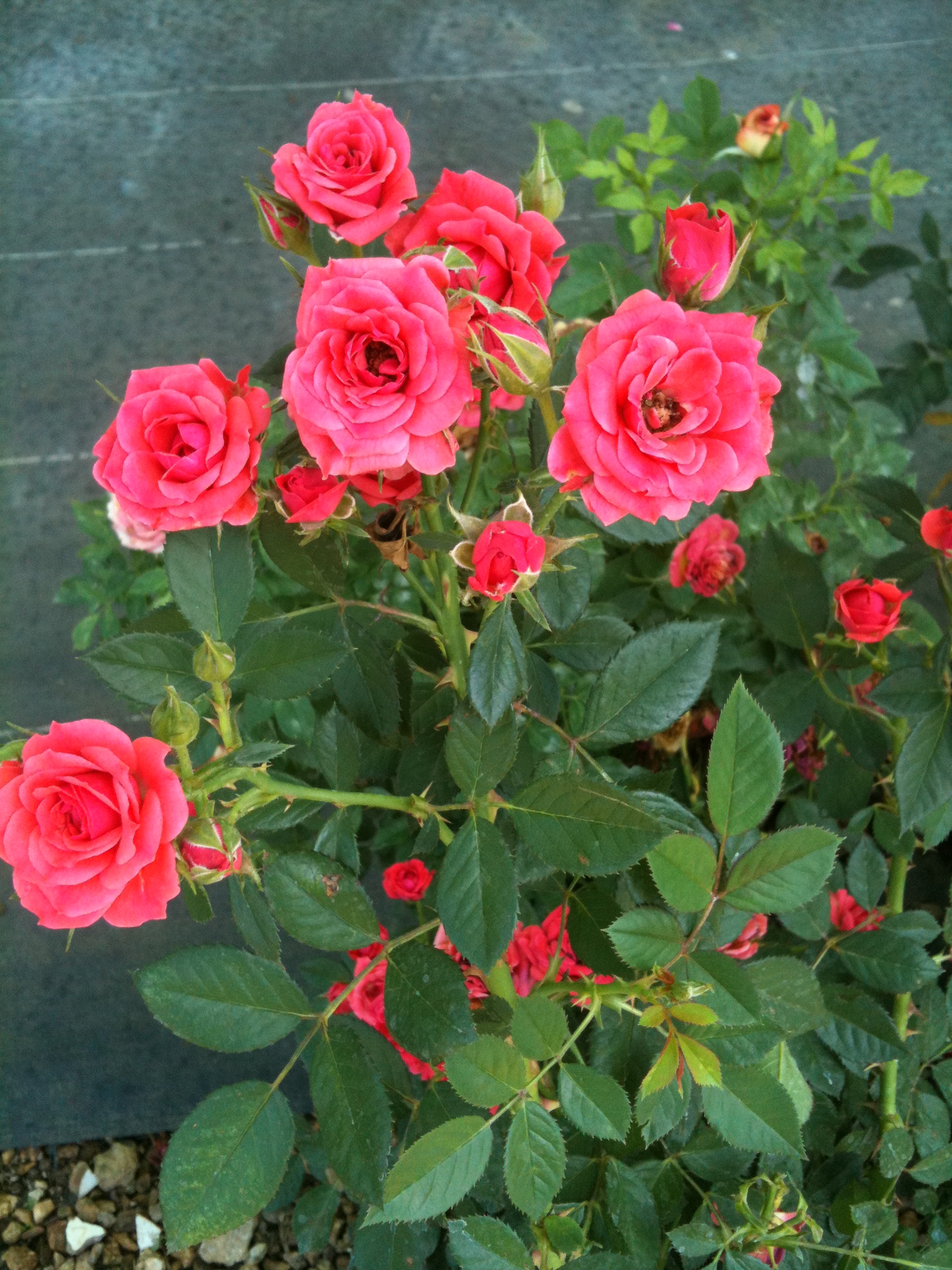
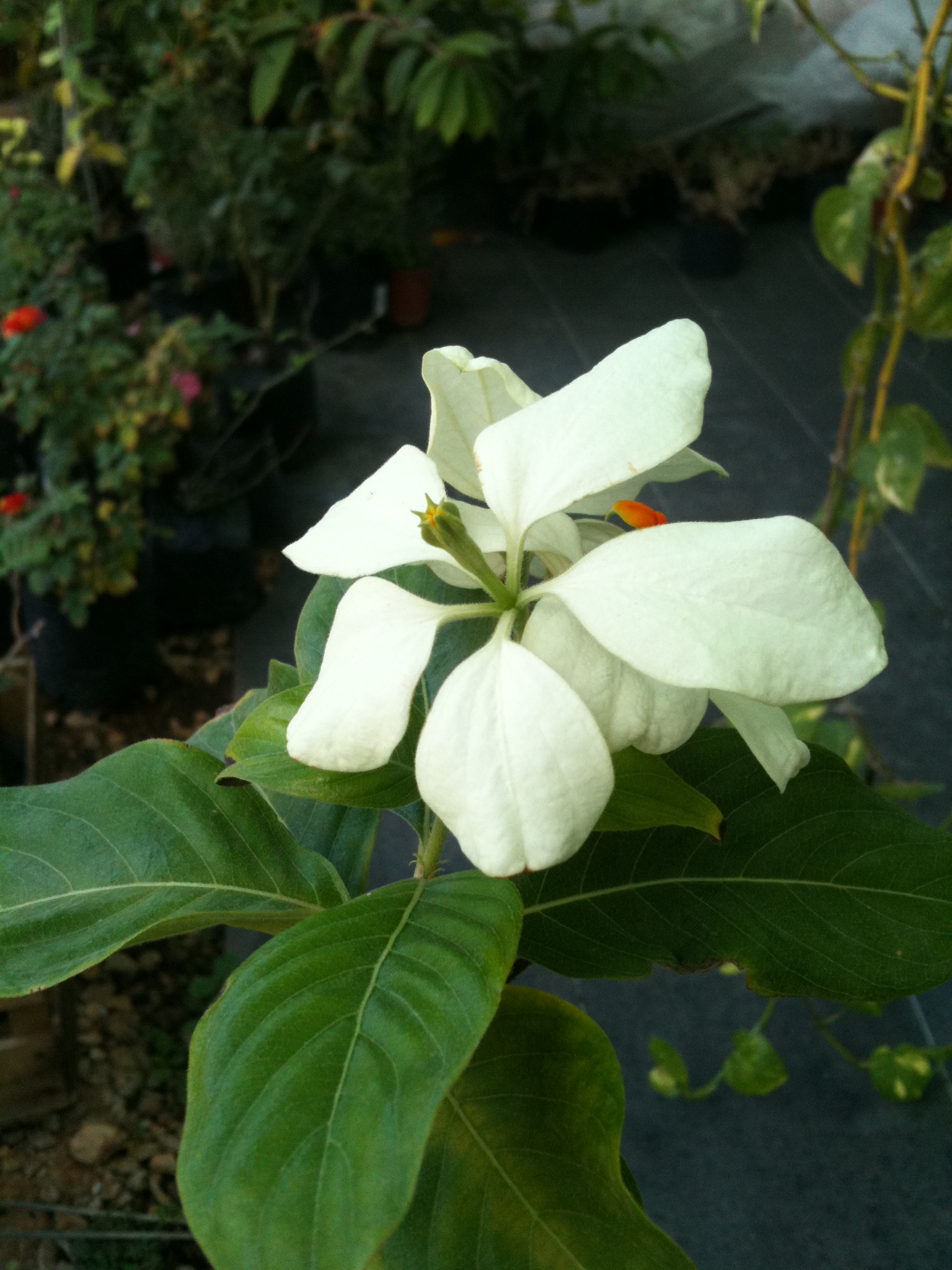
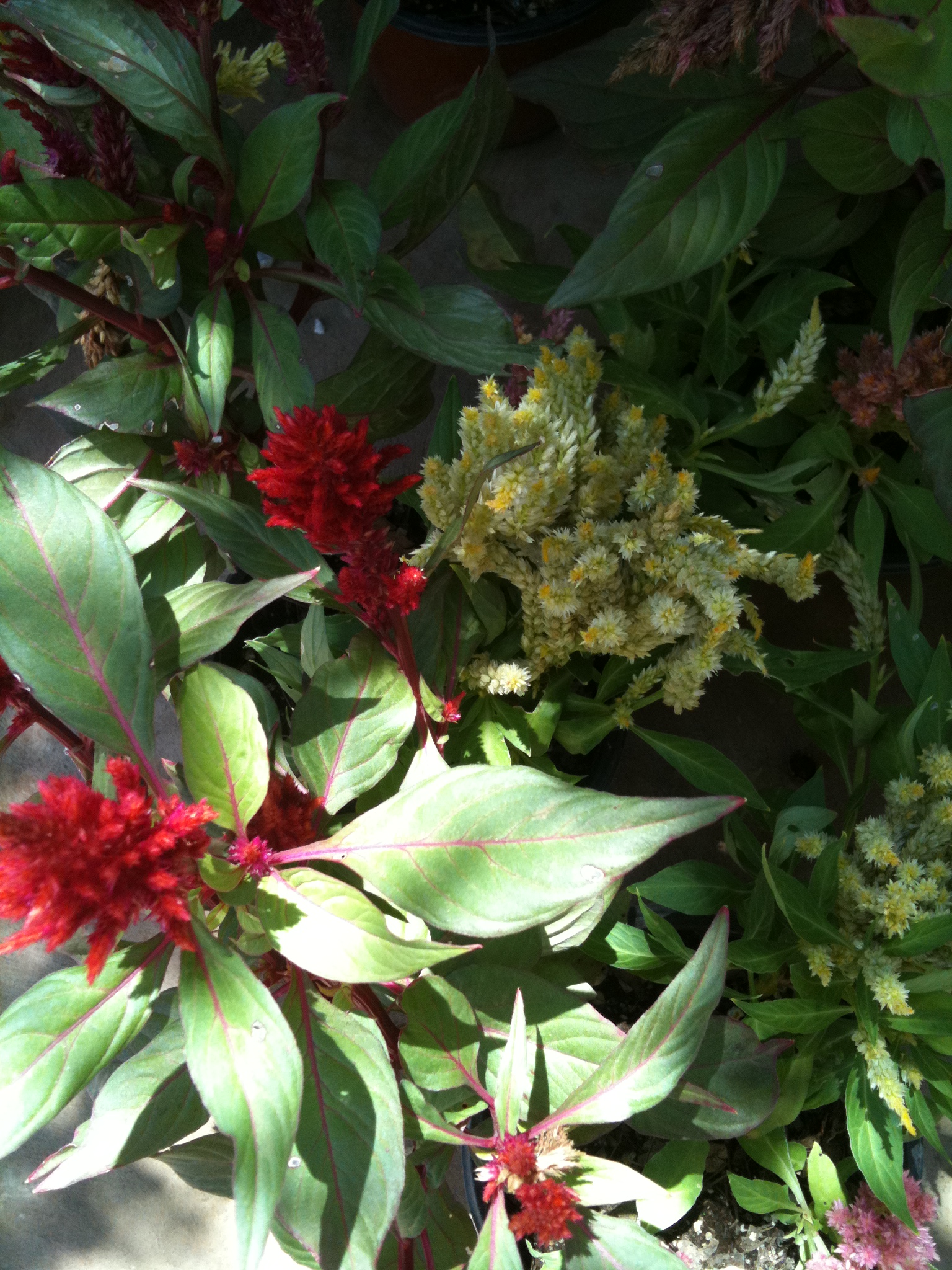
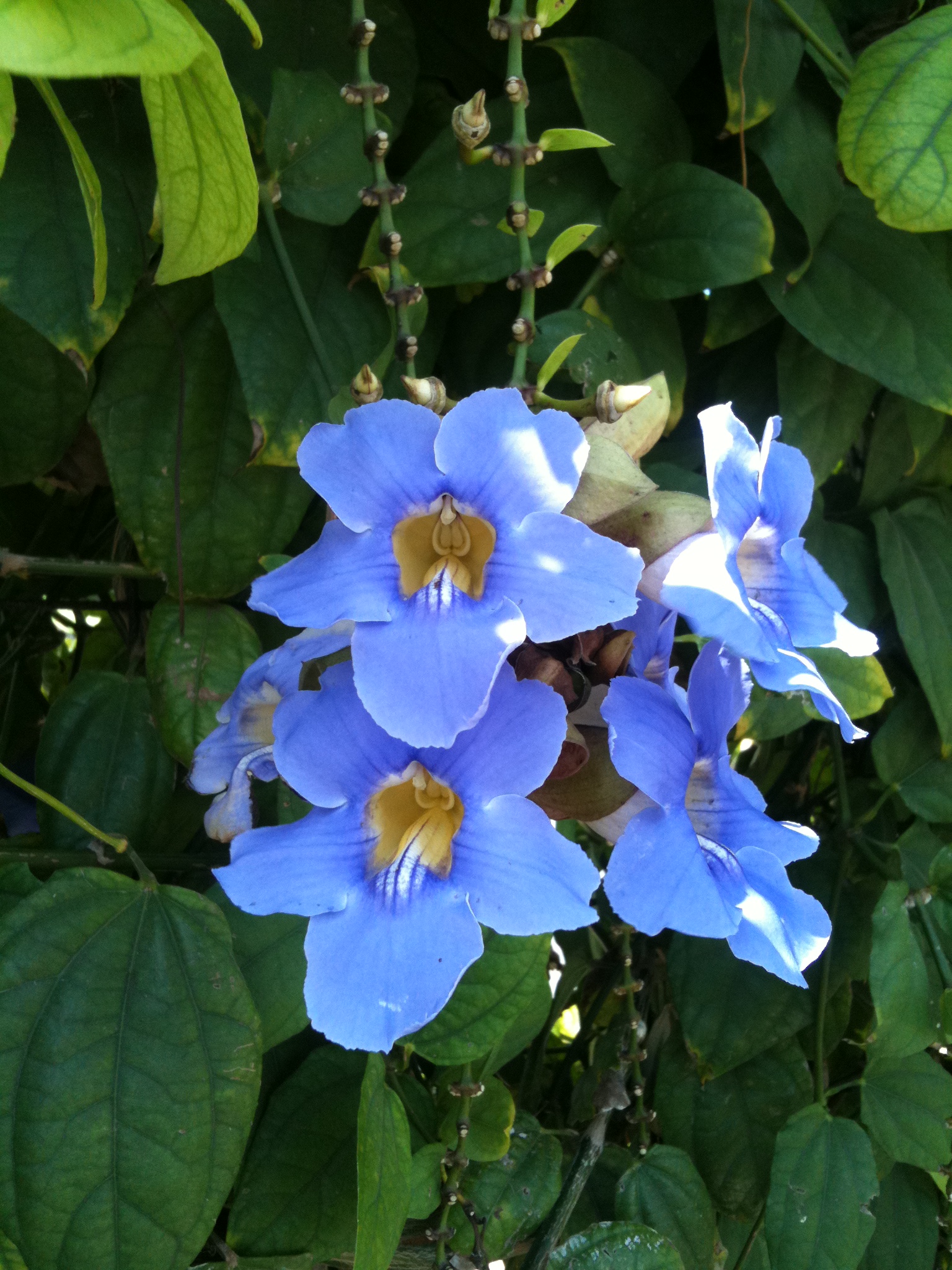
These photos were taken this morning at the Verde Vivo nursery, albeit with a phone camera so they are not that great, but you can still get an idea of all the color and exotic greenery that is available out there.

While we are on the subject of Vegetation…

I have this palm variety in my backyard, a shorter plant, that at this time of the year produces fruit in the form of berries. Each morning I wake up and see them lit up in the morning light just outside my window. I think the photo below (the one that is bright orange) captures the beauty of these little guys quite nicely; if anyone knows what the plant is, let me know!

El Chaka – A Yucatecan Tree with Papery Bark

The Chaka (chah-KAH) tree is found everywhere in the Yucatan and can be identified by its papery, red colored bark which seems to be suffering from some sort of skin disease as it is constantly shedding. Many locals consider it an ‘acceptable’ tree to leave on ones property when clearing in preparation for building a new home. While the other endemic varieties such as chukun, catzin and even the honey-producing dzidilche are considered ‘undesirable’ because they either have thorns (like you are going to be climbing these trees every afternoon) or produce garbage (in the form of leaves, the horror), the chaka is left because it has neither thorns nor a huge amount of leaves and many think it is attractive (which it is). So, when coming upon a cleared lot you will often find that the chakas have been left standing as solitary reminders that some native trees are more desirable than others and testament to the owners – or in many cases the architects – somewhat tepid desire to preserve at least some of the local vegetation.

Unfortunately, the chaka is a soft wood whose root structure seems to be largely superficial and in my time here in the Yucatan, which has included observing the passage of more than one major hurricane, I have noticed that the chakas, when left surrounded by their more hardy, deep-root, neighboring trees, survive strong winds much more handily than when left alone to fend for themselves. Standing alone, they easily succumb to a strong gust of wind which snaps their branches and if the gale strong enough, uproots them entirely.

You can read up on the chaka here (en español) but in a nutshell it says that the tree is indigenous to the area, and its leaves are used for medicinal purposes (curative baths for fevers, according to this site), its wood for carving (although most wood carvers will use other, harder wood varieties) and as an ornamental tree in parks and gardens.

I have several in the backyard and here are some photos of their trunks and bark, which I find quite interesting.

Rafaellos Pizza

One word: Go!

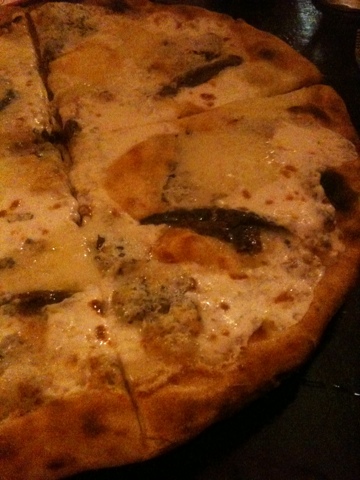
Well, that (above) was the original post. Pizza, the Casual Restaurant Critic has found, is like wine or your favorite sexual position; everyone has an opinion and they are convinced that their choice is the best. If you like your pizzas with an ultra thin crust, baked to perfection in a wood fired oven to the point where they have little pockets of black charring in some places on the crust, covered with ingredients of the finest quality including delicious meats like Italian sausage, salamis and prosciutto and fine cheeses from Gorgonzola to Parmigiano, then Rafaellos Pizzeria will be your pizzeria of choice from now on.

The Critic has often said that Bostons Pizza makes what is probably Meridas best pizza, and theirs is still a very satisfying option; so much better than the drab, flavorless ultra-hyped pizze mass-produced by Dominos and Pizza Hut, but now this Rafaellos is firmly tied for top spot in the Merida’s Best Pizza category.

The restaurant is tiny and open in the evenings only; there is a small air conditioner that struggles to keep the place cool and the tables are wooden and it just feels like an Italian neighborhood pizza joint, complete with the Italian pizza chef in the kitchen.

The photo below is of the 4 cheese pizza with anchovies. Yum!

Calle 60 at 49.

20110510-180357.jpg

Hanging out with the Expats at the Living in Merida Book Launch

The other week, I felt strangely compelled to join other palefaces living in the formerly white city to an event organized by the Merida Verde people to officially launch the second edition of the Living In Merida book, now new and improved and chock full of information for new, English speaking arrivals, with the occasional tidbit that might be useful for those of us who have lived here longer than most and have our own personal favorite suppliers of everything from accurate law advice to honest real estate brokerage services to where to get a transmission repaired without losing an arm and a leg in the process.

To project an air of respectability I put on a clean shirt, picked up always charming Better Half and headed out to that hotel with the Pinedo Covalin boutique located on the corner of 47 and Montejo, right where Montejo ends and what some locals call El Remate which of course is a misnomer as it is not a remate as such, but a principio or beginning of that famous avenue modeled after Paris’ Champs D’Elysees.

Again, I digress.

There were all manner of expats milling about, some of which sported faces completely new to me, as I am somewhat out of touch with this crowd, who for the most part inhabit that part of Merida they charmingly call  ‘Centro’ and are not frequent visitors to the other end of Montejo, where the Fridays, Sams Club and McDonalds along with the mall and its adjacent Starbucks make for a very different, and oft-criticized by visitors, impression of Merida.

“I prefer the REAL Merida!” they will say, wrinkling their nose, as if everyone should be wearing white outfits and balancing trays of glasses and bottles on their heads while dancing a typical jarana, panucho in hand. God forbid the locals should aspire to eating a hamburger or having a double grande latte with non-fat soy milk.

As I made the rounds, I overheard – and occasionally engaged in – earnest, well-meaning conversations on organic gardening, saving yet another local dog, the latest restoration of yet another fabulous little colonial down on 66 and all the Art that everyone seems to be making. These subjects are somewhat foreign to me, having been here now for so long with my regular boring job, normal family obligations and other mundane, boring activities that leave me precious little time for this navel-gazing that seem to be so popular among those who have moved here from el norte, to relish the freedom that a bank account in dollars can provide in a land of pesos.

Inside, the wine flowed freely (hey it was free, aprovecha!) and as some of the dialogue began to get a little slurred, I tried to identify, without much success, some of the people who I might have engaged with only online, before moving outside for some fresh air and a smoke. This nasty activity is of course now banned anywhere indoors in Merida, to the delight of many and the disgust of many more who can’t understand why Merida needs to adopt these new regulations when there are so many other things to be improved upon.

Once the book was presented and the thank-you’s made to all the collaborators in a drawn out affair which proved that not only Yucatecans will continue their conversations while someone is making a speech, the little soiree was over. A little more socializing with a few good friends I found there and I called it a night.

And the book? I’m sure it will prove to be a valuable addition to the information already out there, particularly on websites such as yucatanliving and yucatantoday and of course lawsonsyucatan, but one must take it all with a grain of salt. For example, the section on buying a used car mentions that one place to buy a previously owned vehicle is the ex-Penitentiary, which, as any local will tell you, is rife with stolen automobiles, cars with ‘papers’ issues and the occasional con artist.

It was a strangely different sort of evening, a take on a Yucatecan night out minus the Yucatecans, featuring a fantastic selection of characters out of some travel novel from the last century; something by Somerset Maugham. And although at the time I was a little less than enthusiastic about going, I am glad I went.